The Generation Game: Britain's Beloved Saturday Night Ritual
For three glorious decades, The Generation Game dominated British television screens, becoming an unmissable Saturday evening tradition for families across the nation. The BBC programme, which originally aired from 1971, achieved its peak popularity during the 1970s and early 1980s under the charismatic hosting of Bruce Forsyth and later Larry Grayson, attracting staggering audiences of up to 25 million viewers at its height.
After disappearing from screens for much of the 1980s, the show made a triumphant return in the 1990s, first with Forsyth back at the helm and subsequently with Jim Davidson taking over presenting duties. The programme continued until 2002, though later revival attempts, including a 2018 version featuring Mel and Sue, failed to recapture the original magic of this classic format.
The Conveyor Belt Challenge: Television Gold
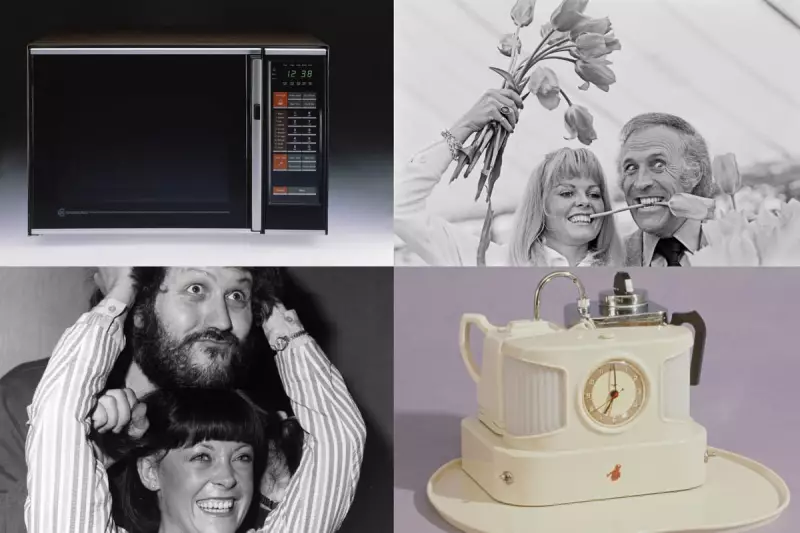
While the show featured various skill-testing challenges from flower arranging to plate spinning, it was the legendary conveyor belt finale that cemented itself in the nation's collective memory. This unforgettable segment saw one member of the winning team confronted with a rapidly moving parade of household items, followed by a tense minute to recall as many prizes as possible.
The victorious contestant would take home every item they remembered, with the ultimate prize of a family holiday awaiting those who could name enough objects or correctly identify the bonus item. The studio audience always erupted with excitement at the appearance of the mandatory cuddly toy, but the remaining prizes provided a fascinating snapshot of changing British tastes and technology throughout the decades.
Modern viewers accustomed to life-changing cash prizes on shows like Who Wants to Be a Millionaire? or The Wheel might find the Generation Game's offerings modest by comparison. However, this wasn't solely due to television executives being tight-fisted - strict limits on prize values remained in place until 1994, fundamentally shaping what could be offered to contestants.
Iconic Prizes That Defined Their Eras
Soda Syphon and Ice Bucket
No 1970s cocktail cabinet was complete without a soda syphon, making this a highly desirable prize that promised to add sophistication to any dinner party.
Fondue Set
Representing the height of 1970s culinary sophistication, the fondue set allowed families to embrace the trendy practice of dipping food into molten cheese - a social dining experience that defined the era.
Fan Heater
With many British homes still lacking central heating in the early 1970s, a modern fan heater represented genuine comfort and practical warmth during chilly evenings.
Electric Tea Maker and Timer
Known to most as the Teasmade (though broadcasters couldn't use brand names), this ingenious device represented the peak of time-saving technology, providing the perfect morning caffeine boost without leaving bed.
Sun Lamp
The seemingly endless British winter made sun lamps particularly popular during the 1970s, offering simulated sunlight to combat seasonal gloom.
Shaggy Carpet
Reflecting interior design trends of the time, contestants could actually win carpet - specifically the shaggy variety that adorned countless British living rooms. By the 1990s, this had evolved into rugs with matching cushions.
Stone Flagon of Wine
The 1970s version featured a stone flagon of rosé wine, though the show's 1990s revival saw an upgrade to a case of champagne, signalling changing tastes and budgets.
Wine-Making Kit
During the homebrewing boom of the 1970s and 80s, these kits allowed aspiring vintners to create their own alcoholic beverages at home.
Camcorder
The 1990s saw the camcorder become a must-have family gadget, perfect for recording home videos and potentially capturing footage worthy of submission to You've Been Framed.
Radio Cassette Player
Before the Walkman dominated personal music, cassette recorders featured on the conveyor belt. The 1990s version included Walkman-style devices that defined music on the move.
Toaster
A consistent presence across both eras, the humble toaster evolved from 1970s models in brown or orange with garish floral patterns to more sophisticated 1990s designs.
Microwave
Still feeling futuristic in the 1990s, microwave ovens promised quick meals, though the reality often involved stabbing plastic coverings on uninspiring ready meals.
Nigel Mansell Racing Set
While Scalextric remained popular throughout the decades, the 1990s version featured a FormulaTyco racing set showcasing 1992 F1 champion Nigel Mansell, capturing the sporting spirit of the era.
A Television Legacy That Endures
The Generation Game's conveyor belt prizes provide more than just nostalgia - they serve as a cultural time capsule documenting changing British lifestyles, technological advancements and domestic aspirations across three decades. From the practical heating solutions of the 70s to the electronic gadgets of the 90s, each prize tells a story about what British families valued and desired during these transformative years.
Though the show itself may have ended, the memory of those eagerly awaited Saturday evenings, the dramatic conveyor belt sequences, and the joy of contestants winning seemingly ordinary household items continues to evoke warm memories for millions who grew up with this television institution. The Generation Game remains a cherished part of Britain's television heritage, reminding us of a time when family entertainment meant gathering around the television together, sharing in the excitement of ordinary people winning extraordinary prizes.