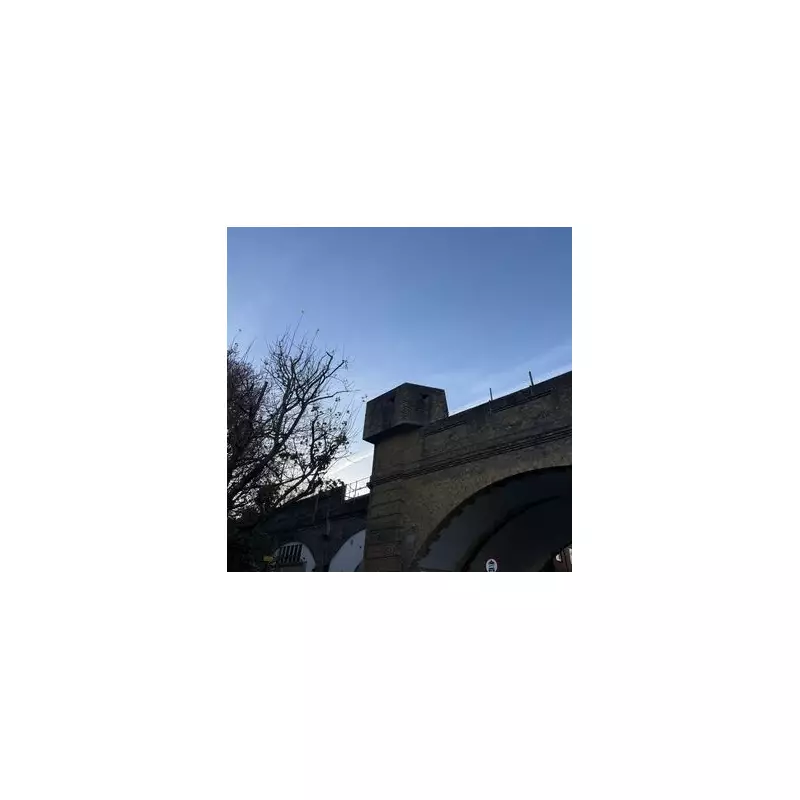
High above the platforms of a busy London Underground station, a silent sentinel from Britain's darkest hour remains largely unnoticed by the daily commuter rush. This is the World War Two pillbox at Putney Bridge Station, a stark concrete relic constructed in 1940 as part of a final defensive line against a feared Nazi invasion.
A Relic of Britain's Invasion Fears
Following the dramatic evacuation of Allied troops from Dunkirk in 1940, the British coastline and strategic points inland were considered highly vulnerable. In response, a vast network of defensive structures was hastily erected across the country. Among these were approximately 28,000 pillboxes, small fortified guard posts designed to protect against infantry and light artillery.
The pillbox perched on the railway viaduct at Putney Bridge is a classic example. Built from thick, reinforced concrete, its primary function was to serve as a lookout and firing position. Its design featured narrow slits known as 'loopholes', reminiscent of medieval castle architecture, which allowed defenders to observe and fire weapons while remaining protected.
The Design and Purpose of a Pillbox
These utilitarian structures were a key component of Britain's anti-invasion preparations during WWII. The name 'pillbox' itself has historic roots, first appearing in print on the front page of The Times newspaper on 2 August 1917. They were often camouflaged to blend into their surroundings, aiming to surprise any advancing enemy forces.
Thankfully, the Putney pillbox, like the vast majority of its counterparts, was never called into active combat duty. The feared German invasion, Operation Sea Lion, never materialised, leaving these structures as permanent monuments to a nation's preparedness. Of the original 28,000 built across Britain, it is estimated that only around 6,500 survive today.
How to Spot Putney's Hidden History
For those keen to catch a glimpse of this forgotten piece of wartime history, the pillbox is visible from several vantage points around Putney Bridge Station. The closest view can be had from the end of the Westbound District line platform. Another perspective is available from the Eastbound platform, looking directly across the tracks.
It is also visible to pedestrians who look up at the railway bridge from the nearby Ranelagh Gardens. For the observant traveller stepping off the Tube or waiting for a train, it offers a tangible, if often overlooked, connection to London's resilient past.
This pillbox stands as a potent symbol of a time when the threat of invasion was very real. It serves as a silent reminder of the extensive defences woven into the fabric of the capital, most of which were never used but bore witness to the nation's determination to resist.