As another festive season passes, Guardian readers have been sharing the ancient Christmas traditions they believe deserve a modern revival, offering fascinating insights into Britain's rich seasonal heritage.
Forgotten Festive Customs
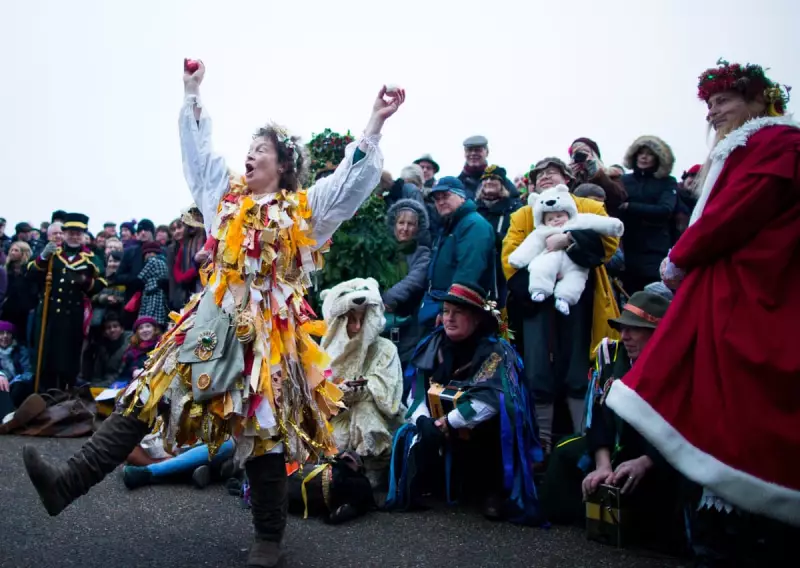
Readers responded enthusiastically to a call for forgotten traditions, with many expressing a desire to return to more authentic celebrations. Wassailing emerged as a popular choice, with reader andya2015 advocating for the door-to-door custom of sharing drinks to wish neighbours good health and a prosperous harvest.
The debate around Christmas terminology also surfaced, with whood suggesting we follow northern European neighbours in calling the festival Yule, reflecting its origins as a winter solstice celebration rather than a Middle Eastern religious event.
Victorian parlour games received particular attention, with EastMidsBoy describing snapdragons - a daring game involving setting fire to alcohol-soaked currants in a dark room and competing to grab the most.
Seasonal Symbols and Decorations
Several readers championed changes to familiar Christmas imagery. CharlieFarley argued for returning Father Christmas to his original green costume, noting that the modern red-suited Santa essentially represents Coca-Cola's branding influence.
LenaLamont advocated keeping decorations up until Candlemas in early February, as was common in pre-Victorian times, arguing that winter requires the glow and greenery for longer periods.
The discussion extended to music preferences, with PeteTheBeat calling for a ban on festive music in shops, particularly Paul McCartney's Wonderful Christmastime, which he suggested should be more honestly titled Simply Having a Mediocre Christmastime.
Ancient Roots and European Influences
Readers demonstrated impressive historical knowledge, with Sagarmatha1953 tracing Christmas traditions back to pagan celebrations including Saturnalia and Norse, Egyptian and Celtic cultures.
German customs featured prominently, with AshMordant explaining the tradition of not washing laundry between Christmas Eve and 6 January to avoid having it stolen by the Wild Hunt - a spectral procession led by Woden during the Rauhnächte or rough nights.
The menacing figure of Krampus from Bavarian and Austrian traditions was suggested by william as worth adopting elsewhere, with the demonic creature visiting naughty children on 5 December while Saint Nicholas rewards the well-behaved the following day.
From simpler Advent calendars to the proper celebration of Twelfth Night, readers showed a strong desire to reconnect with Christmas traditions that predate modern commercialism, offering a fascinating glimpse into how Britons might celebrate more meaningfully in future seasons.