First Glimpses of a Billion-Dollar Underwater Trove
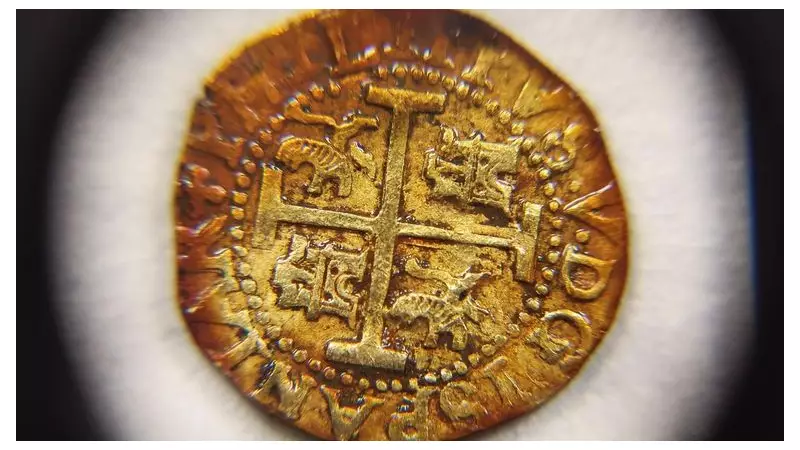
Colombia has successfully retrieved the first tangible pieces from the legendary San José galleon, a Spanish warship often called the 'holy grail of shipwrecks' for its immense cargo of precious metals. An official mission brought up a cannon, three coins, and fragments of porcelain from the depths of the Caribbean Sea, marking a significant milestone in the long-awaited exploration of the wreck.
The Historic Wreck and Its Contentious Ownership
The 64-gun galleon, part of the Spanish Navy, met its end in 1708 when it was engaged by British forces. The historical record states the ship's powder magazines exploded, sending it to the seabed near Cartagena, Colombia. However, the Colombian government has now suggested that damage to the hull could have been an alternative cause for its sinking.
The wreck site, located 600 metres (almost 2,000 feet) below the surface, is a closely guarded Colombian state secret. Its discovery in 2015 reignited a complex international legal dispute over ownership. An American group, Sea Search Armada, claims it found the ship in 1982 and is demanding $10bn, representing what it estimates to be half the treasure's value. The legal battle involves Colombia, Spain, and the United States.
Scientific Mission or Treasure Hunt?
Despite the staggering valuation of the cargo—estimated at 11 million gold and silver coins worth around $20bn (£16bn)—the Colombian government insists its mission is purely scientific. Officials state the purpose is research, not treasure hunting, with all recovered artifacts destined for preservation and study.
The recently recovered items include:
- A cannon from the ship's armament.
- Three macuquinas coins, a type of hand-struck currency from the era.
- Several pieces of porcelain tableware.
These objects have been transported to specialist facilities. The coins are now at the National Museum of Colombia, while the cannon and porcelain are being analysed at the Caribbean Oceanographic and Hydrographic Research Center.
Unlocking Historical Secrets
The Colombian Institute of Anthropology and History believes the laboratory analysis of these artifacts will shed new light on the 18th-century vessel. Researchers will examine the composition, manufacturing origins, and production technologies of the items. "Each of the archaeological objects collected from the shipwreck opens up the possibilities of discovering more aspects of the history of the San José galleon," the institute said in a statement.
This recovery is part of the second phase of a government-approved project that began last year. The first phase involved a non-intrusive survey of the wreck site and its debris field. The ultimate goal is to adapt and preserve these centuries-old objects for a non-marine environment, ensuring their history is protected for future generations.