The Last Traditional Clog Maker in England: A Dying Craft's Final Stand
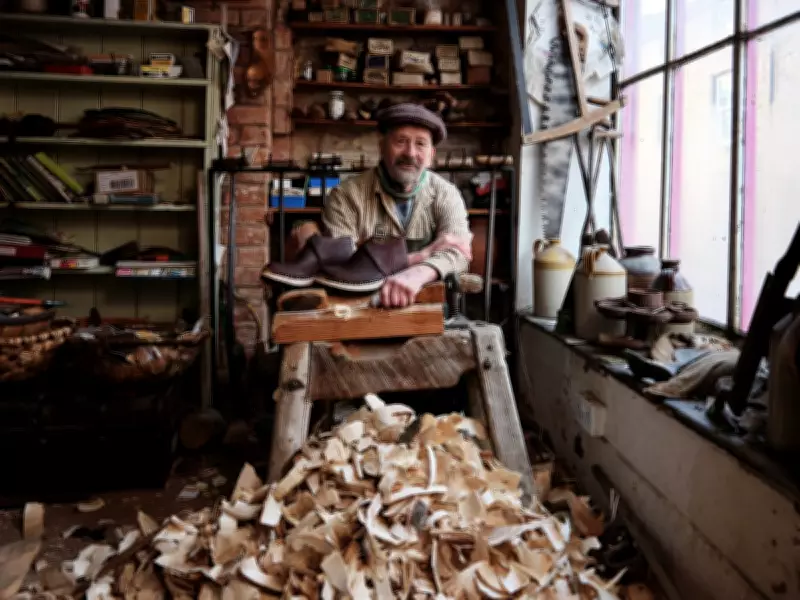
In a quiet corner of Lancashire, a small workshop stands as the last bastion of a centuries-old tradition. Here, the final traditional clog maker in England meticulously crafts wooden-soled shoes, a practice that dates back to medieval times. This artisan, whose identity is often shrouded in the humility of their work, represents a fading link to a bygone era when clogs were commonplace across the country.
A Craft Rooted in History
Clogs have a rich history in England, originally worn by workers in industries like mining, farming, and textiles for their durability and protection. Made from materials such as alder or willow wood for the soles and leather for the uppers, these shoes were designed to withstand harsh conditions. The traditional methods involve carving the wood by hand, shaping it to fit the foot, and attaching the upper with precise stitching. Over the decades, as mass-produced footwear became more affordable and fashionable, demand for handmade clogs dwindled, leaving only a handful of practitioners.
The Challenges of Preservation
Today, this last clog maker faces numerous obstacles in keeping the craft alive. The rise of synthetic materials and global manufacturing has made it difficult to compete on price or speed. Additionally, changing lifestyles and a shift towards more casual or athletic footwear have reduced the practical need for clogs. Despite these challenges, the artisan persists, often relying on niche markets such as historical reenactors, folk dancers, and heritage enthusiasts who value authenticity. Workshops and demonstrations are occasionally held to educate the public, but sustaining a viable business remains a constant struggle.
Cultural Significance and Future Prospects
The work of this clog maker is not just about producing shoes; it is a vital part of England's cultural heritage. Each pair tells a story of craftsmanship, resilience, and regional identity. Efforts to preserve this tradition include collaborations with museums and cultural organizations, as well as occasional media coverage that highlights its importance. However, without a new generation of apprentices willing to learn the intricate skills, the craft risks disappearing entirely. The clog maker's workshop serves as a poignant reminder of the value of handmade goods in an increasingly automated world, urging us to reconsider our connection to traditional arts.
As we look to the future, the survival of this craft may depend on increased support from heritage funds, community initiatives, and a renewed appreciation for sustainable, locally-made products. For now, the rhythmic sound of hammer and chisel in that Lancashire workshop continues, echoing a legacy that refuses to be silenced.