In a fascinating connection between Tudor history and contemporary style, academics have highlighted Queen Elizabeth I's innovative use of bows in her famous Armada portrait as a pioneering 'alpha move' that predates modern fashion trends by centuries.
The Elizabethan Fashion Statement
Dr Charlotte Potter from Geneva responded with enthusiasm to Morwenna Ferrier's recent Guardian article exploring the cultural significance of bows in modern fashion. Having just taught a seminar on Elizabethan virginity, Dr Potter immediately recognised the relevance of the Armada portrait of Queen Elizabeth I to contemporary discussions about fashion and power.
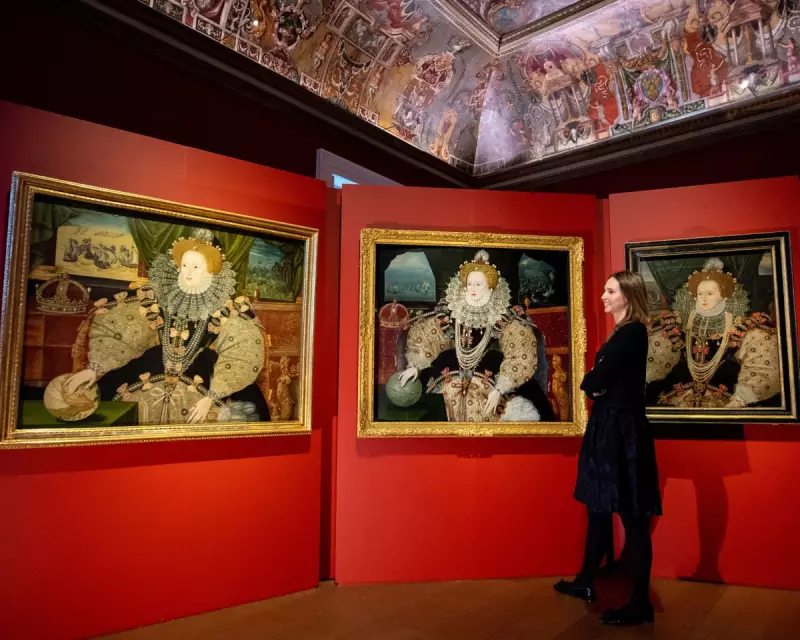
The iconic painting, which features three surviving versions that were displayed together at the Queen's House in Greenwich during 2020, represents a masterful blend of political messaging and personal style. While the artwork famously celebrates England's naval victory over the Spanish Armada, with Spanish ships shown floundering on one side and British vessels triumphantly sailing on the other, it also contains subtle fashion statements that resonate across the centuries.
Symbolism in Silk and Pearls
Elizabeth's powerful pose in the portrait sees her hand firmly placed on a globe, asserting England's growing imperial ambitions. Yet her attire tells another story entirely. Dozens of delicate pink bows adorn her costume, while a large pearl hangs from a delicate white bow at the top of her skirts - a symbol widely understood to represent her celebrated virginity.
Dr Potter noted that if modern fashion commentators consider men wearing bows on the red carpet an 'alpha move', then Elizabeth I undoubtedly got there first. The Tudor monarch transformed what might appear as feminine decoration into statements of power and control, using fashion as another tool in her considerable political arsenal.
Contemporary Connections
Another reader, Chris Walters from Buxton, Derbyshire, added to the conversation by wondering what Esme Young from The Great British Sewing Bee would make of the current bow trend. Regular viewers of the popular BBC programme will recognise Young's famous preference for bows, with contestants often noting that 'Esme likes a bow' when designing their creations.
Walters also shared a personal connection, recalling how bows helped manage unruly hair during the 1950s, demonstrating the enduring practical and aesthetic appeal of this simple fashion accessory across different eras.
The correspondence highlights how historical art continues to inform and reflect contemporary cultural discussions, proving that some style statements truly are timeless.