In a remarkable act of remembrance, Dutch volunteers have undertaken extensive research to identify and honour the African American soldiers buried at the Netherlands American Cemetery in Margraten. Their efforts ensure these soldiers' stories are preserved eight decades after they helped liberate the Netherlands from Nazi occupation.
The Faces Behind the Names
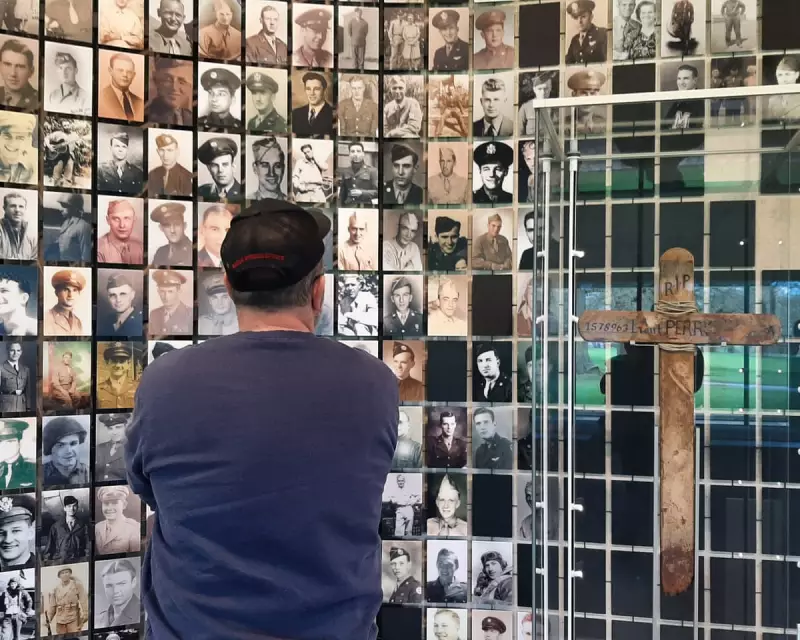
The Fields of Honor database project has become a powerful tool for connecting modern generations with the soldiers who gave their lives. Volunteers have spent countless hours researching the 172 African American servicemen buried at Margraten, gathering photographs and personal stories that bring their histories to life.
Sebastiaan Vonk, chairman of the Fields of Honor Foundation, emphasises the importance of this work. The foundation has successfully located photographs for approximately 120 of the 172 Black soldiers resting at the cemetery. Their research reveals these men served in segregated units, performing crucial support roles despite facing racial discrimination within their own army.
These soldiers worked as truck drivers transporting essential supplies, engineers building vital infrastructure, and military policemen maintaining order. Their contributions were indispensable to the Allied war effort, even as they served under the challenging conditions of segregation.
A Tradition of Gratitude
The Dutch commitment to remembering these liberators runs deep and spans generations. Since 1945, local families have adopted the graves at Margraten, visiting regularly to lay flowers and ensure no soldier is forgotten. This tradition continues today, with some families now caring for the same grave for multiple generations.
Mieke Kirkels, a Dutch historian and author, has documented this special relationship in her research. She notes that the first black soldier buried at Margraten was likely John E. Jones from Philadelphia, who lost his life on September 12, 1944. Many African American families have since travelled to the Netherlands to visit their loved ones' graves, finding comfort in the ongoing care provided by Dutch adopters.
The current adoption program maintains a waiting list of hundreds of Dutch families eager to participate. This demonstrates the enduring gratitude felt by the Dutch people toward their American liberators, regardless of race or background.
Preserving Legacies for Future Generations
The photographic research project serves multiple important purposes. It helps descendants of these soldiers learn more about their family members' final resting places and military service. It also educates younger generations about the diverse composition of the forces that fought for freedom during World War II.
The American Battle Monuments Commission, which maintains the cemetery, supports these volunteer efforts. The commission recognises that the Margraten cemetery contains 8,301 American graves, with the African American soldiers representing an important part of this sacred landscape.
As the world marks 80 years since the end of World War II, these initiatives ensure that the full story of liberation is told. The Dutch volunteers' dedication to honouring all liberators, regardless of race, stands as a powerful testament to meaningful remembrance and historical accuracy.