In a remarkable twist driven by cutting-edge science, the enigmatic identity of the so-called Beachy Head Woman has been conclusively resolved. Once celebrated as the earliest known black Briton, new genetic analysis reveals she was, in fact, a local woman from southern England who lived during the Roman occupation.
From Public Figure to Scientific Enigma
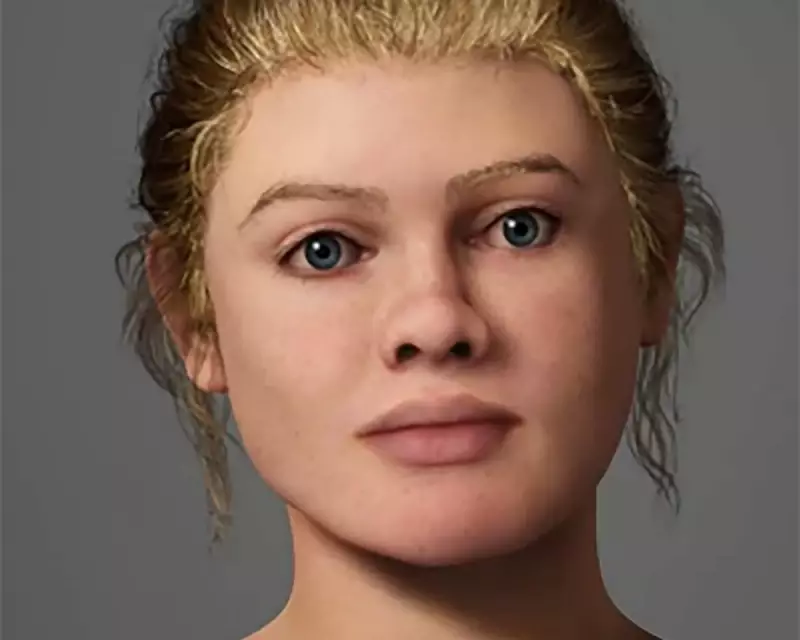
The skeleton's journey to public prominence began in 2012 when her remains were rediscovered in the collections of Eastbourne Town Hall. Notes suggested she had been found at the nearby Beachy Head headland in the 1950s. Radiocarbon dating placed her death between 129 and 311 AD. Analysis showed she was a young woman, aged 18 to 25, standing just over 4.9 feet tall, with evidence of a healed leg wound and a diet rich in seafood.
Intrigue deepened when an initial forensic analysis of her skull shape suggested she might have origins in sub-Saharan Africa. This finding led to her featuring in David Olusoga's 2016 BBC series Black and British: A Forgotten History and the erection of a plaque commemorating her as the "first black Briton."
The DNA Detective Story Unfolds
Doubts emerged with early, inconclusive DNA tests pointing towards Cyprus. "She's had quite a journey," said Dr Selina Brace of the Natural History Museum, London, senior author of the new study. "She was held up as a public figure. Now she's being used to show how science advances."
The breakthrough came with advanced ancient DNA sequencing technology, known as capture arrays. This method meticulously pieces together tiny, degraded genetic fragments. The latest analysis achieved a more than tenfold improvement in DNA coverage compared to previous attempts.
The results were definitive: Beachy Head Woman's genetics aligned with the local British population of Roman-era southern England. "She's just this local girl who grew up in Eastbourne," Dr Brace concluded.
Reassessing History and Methodology
The case highlights significant evolution in archaeological science. Professor Caroline Wilkinson, a forensic anthropologist at Liverpool John Moores University who contributed to both the initial and latest studies, noted a shift away from classifying ancestry based on skull shape alone. "We know that variation in faces overlaps between different populations," she explained.
The plaque, installed following the earlier interpretation, was subsequently removed after a parish council vote in 2017. The segment featuring Beachy Head Woman was also cut from later versions of Olusoga's documentary series in response to the updated findings.
Published in the Journal of Archaeological Science, the research underscores the power of genetic technology to correct the historical narrative. "It doesn't alter the story of Britain," Dr Brace reflected. "It just alters her story and we owed it to her to put that right."