London's pub scene represents one of the city's most cherished traditions, but beyond the modern craft beer bars and gastro pubs lie establishments with histories stretching back five centuries. These ancient watering holes offer more than just pints - they provide living connections to London's colourful past, from medieval monasteries to pirate havens.
Ye Olde Cheshire Cheese: The Literary Legend
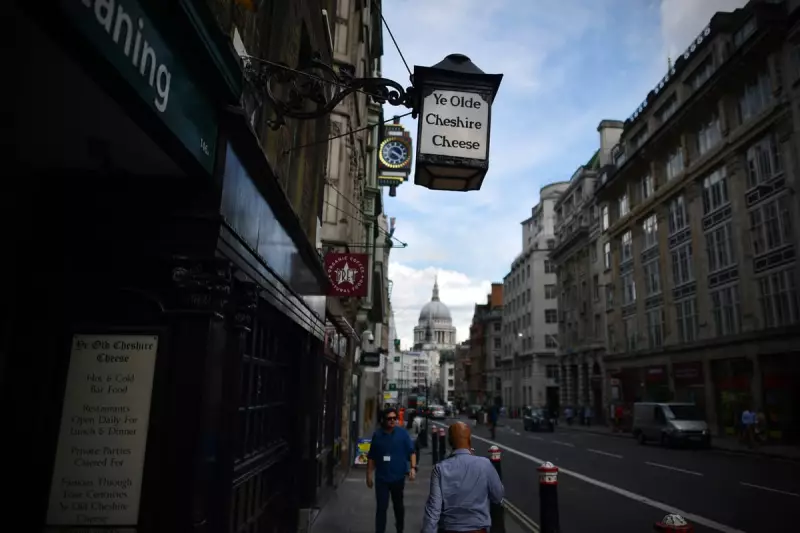
Rebuilt in 1667 following the Great Fire of London, Ye Olde Cheshire Cheese stands as one of Fleet Street's most atmospheric pubs. Its maze-like interior conceals a remarkable history, built upon foundations dating back to a 13th-century Carmelite monastery. Visitors stepping through its doors today experience the same narrow staircases, dimly lit snugs and vaulted cellars that charmed patrons centuries ago.
This historic pub became particularly famous during the 18th and 19th centuries as a gathering place for literary giants. Charles Dickens regularly frequented the establishment, drawing inspiration from its smoky atmosphere for his London-based writings. The pub's visitor book reads like a who's who of literature, with Samuel Johnson, Mark Twain and Sir Arthur Conan Doyle all counted among its famous patrons. Today, plaques and tributes to these literary figures adorn the walls, allowing modern visitors to drink in the same rooms where great minds once gathered.
The George Inn: London's Last Galleried Coaching Inn
Just a short walk from London Bridge, The George Inn in Southwark represents a rare surviving example of London's coaching inn heritage. Now under the protection of the National Trust, this magnificent pub features the city's last remaining galleried design, with timber-framed balconies overlooking what was once a bustling courtyard filled with horse-drawn coaches.
The current building dates from 1676, reconstructed after a devastating fire, though records indicate inns have occupied this site since medieval times. During its heyday, The George served as a crucial stopover for travellers journeying in and out of London, providing rest, refreshment and conversation before continuing arduous journeys. Charles Dickens visited this historic inn and referenced a similar establishment in his novel Little Dorrit, cementing its place in London's literary landscape.
The Prospect of Whitby: London's Oldest Riverside Pub
For those seeking genuine antiquity, The Prospect of Whitby in Wapping holds the strongest claim to being London's oldest riverside pub. Established around 1520, originally named The Pelican, this historic tavern earned the ominous nickname "The Devil's Tavern" due to its notorious clientele of sailors, smugglers and pirates.
The pub's history intertwines with tales of crime and punishment along the Thames. Judge Jeffreys, known as "The Hanging Judge", reportedly frequented the establishment, and a noose still hangs by the riverside terrace as a reminder of its darker associations. Inside, visitors can walk on what's believed to be the original flagstone floor, worn smooth by five centuries of footsteps.
While these three pubs represent some of London's most historic drinking establishments, several other venues also lay claim to ancient origins. The truth about which pub truly deserves the title of "London's oldest" depends on how one defines antiquity - whether considering the age of the site, the building itself, or continuous licensing. What remains undeniable is that each offers a unique window into London's social history, preserving stories that might otherwise have been lost to time.
From the literary legends of Fleet Street to the pirate tales of Wapping and the coaching inn heritage of Southwark, these historic pubs continue to serve not just drinks, but living history. They stand as testament to London's enduring pub culture and its ability to adapt and survive through centuries of change, offering modern visitors the rare opportunity to raise a glass in the same spaces where Londoners have gathered for hundreds of years.