Two decades have passed since a hot December day in Sydney's south saw simmering racial tensions explode into Australia's largest race riots since the 1860s. The Cronulla riots of 11 December 2005 left a nation shamed and questioning its identity. Twenty years on, the central question remains: have Australian attitudes genuinely changed?
A Day of National Shame: The Violence Unfolds
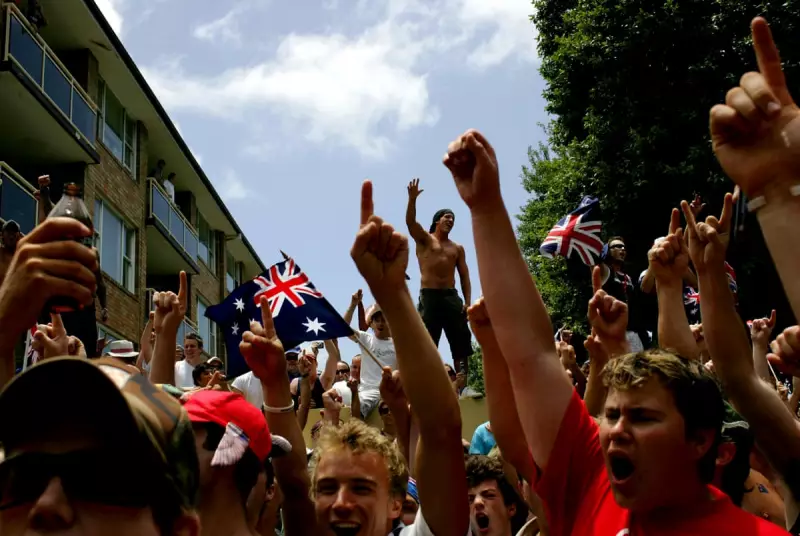
For retired teacher Julie Cutbush, the memory remains vivid. From her Cronulla home, she first heard the aggressive chanting. Venturing out, she witnessed a mass of young, mostly white men, many draped in Australian flags, streaming from the train station. Fuelled by alcohol, the crowd swelled into the thousands. The scene quickly erupted into a violent melee, with racial slurs filling the air and bottles being thrown.
"I didn't think I would ever witness something like that," Cutbush, now 68, recalls. "I thought, 'Oh, that's the stuff of overseas. It's not Australia.' Well, no, we're not. We're ugly." The violence targeted anyone perceived to be of Lebanese or Muslim background, prompting retaliation and chaotic scenes well into the night as police struggled to regain control.
The Simmering Tensions That Boiled Over
The riot was not a spontaneous event but the culmination of years of rising hostility. Author and academic Dr Michael Mohammed Ahmad, a teenager in 2005, describes it as a period where "Lebs" were cast as folk devils in media narratives. This was amplified by global events like the 9/11 attacks and the 2002 Bali bombings, which intensified Islamophobia.
The immediate trigger was a fight between surf lifesavers and a group of young men with Middle Eastern ancestry at North Cronulla surf club on 4 December. This incident was seized upon by media, notably talkback radio host Alan Jones, whose commentary was later found by a court to have incited hatred. In the following week, 270,000 text messages circulated, drumming up support for an "Aussie pride" rally on 11 December.
On the day, approximately 5,000 people gathered. Individuals of Middle Eastern appearance were chased, assaulted, and targeted at Cronulla station. Violent reprisal attacks followed in suburbs like Maroubra and Brighton-Le-Sands, with rioters armed with baseball bats and firearms. A subsequent NSW police report stated the "whole nation … looked on in shame."
Two Decades Later: Progress or Persistent Prejudice?
Today, Cronulla beach remains a popular destination, described by local MP Mark Speakman as "an extraordinarily relaxed place." Census data, however, shows the peninsula suburb still lacks the multicultural diversity seen across much of Sydney. Many question whether underlying attitudes have evolved.
Julie Cutbush is sceptical. "We might like to all think that we're educated and tolerant – but I don't think attitudes have changed that much," she says. This sentiment is echoed by Australia's Race Discrimination Commissioner, Giridharan Sivaraman, who points to ongoing issues: the 2019 Christchurch mosque massacre, Covid-related racism against Asian communities, and recent surges in antisemitism and anti-Palestinian sentiment.
"The hostility remains, the racism remains," Sivaraman states. Recent polls suggest public concern is significant, with 67% of adults believing racism is a fairly or very big problem in Australia.
The New Frontier: Social Media's Amplifying Role
A key change in the two decades since Cronulla is the technology used to mobilise and spread hate. Where the 2005 riots were coordinated via text messages and talkback radio—media that authorities could monitor—today's landscape is radically different.
Professor Andrew Jakubowicz notes that encrypted messaging apps like Telegram make monitoring extremist communication far harder. The constant, algorithmically amplified outrage on social media platforms provides a more powerful and pervasive tool for spreading racial animosity than the mediums of 2005.
Dr Michael Mohammed Ahmad believes the problem has worsened and expanded. "I don't think it's improved, I don't even think it's the same – I actually think it's worse," he says. "Cronulla has gradually expanded into a national problem."
While there are causes for hope, such as greater diversity in public life and more mainstream voices willing to condemn racism, the scars of Cronulla remain. For writer Shakira Hussein, the event became a "talismanic event for the far right." Even now, she carefully considers which beaches to visit and when. The legacy of that hot December day continues to shape the Australian experience, a stark reminder of the work still to be done.