Chinese Surveillance Cameras Protecting Magna Carta Draw Criticism Over Human Rights and Security Risks
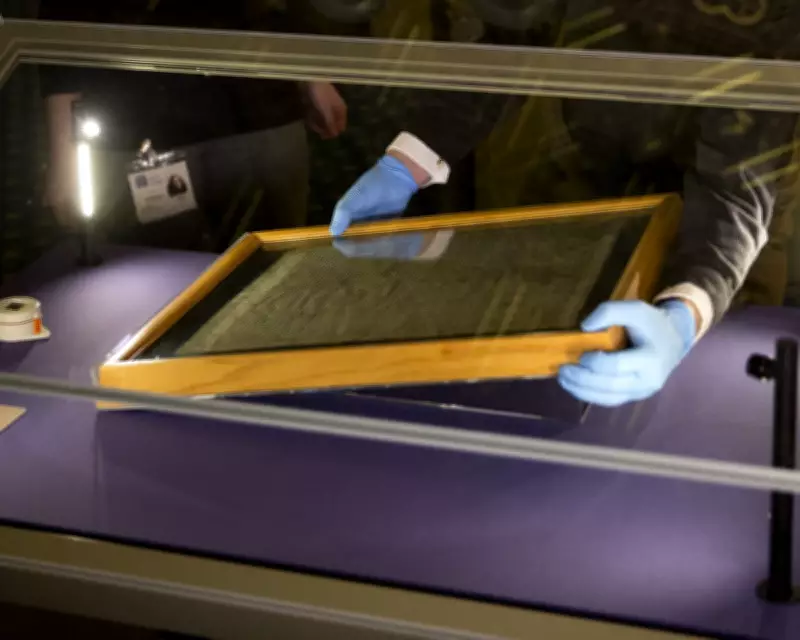
Security cameras manufactured by a Chinese company implicated in alleged human rights abuses are being used to guard one of the world's most iconic symbols of democracy—the Magna Carta at Salisbury Cathedral. This revelation has sparked urgent calls from campaigners for their removal, citing both ethical concerns and significant security vulnerabilities.
Campaigners Demand Removal of "Vulnerable" Devices
In correspondence obtained by the Guardian, activists have directly appealed to Salisbury Cathedral to dismantle surveillance equipment produced by Dahua Technology. This Chinese firm, headquartered in Hangzhou, has faced serious allegations regarding its role in surveillance systems within China's Xinjiang region, which have been linked to the persecution of the Uyghur minority.
Simultaneously, similar demands have been made to authorities overseeing the Parthenon temple in Greece, where cameras from another Chinese company, Hikvision, are installed. These appeals come despite both companies' technologies having already been stripped from sensitive UK government sites due to fears of potential remote access by Chinese entities.
Historical Symbolism Clashes with Modern Controversy
The Magna Carta, sealed by King John at Runnymede in 1215, represents a foundational document that established early limitations on monarchical power and is widely regarded as a precursor to modern democratic principles and human rights protections. Salisbury Cathedral's own website describes its 810-year-old copy as a "powerful symbol of social justice" that has inspired global freedom movements.
Dahua Technology proudly advertises on its website that its low-light surveillance cameras help ensure the safety of this historic document. However, the World Uyghur Congress (WUC) has highlighted what it describes as a painful irony—that technology from companies allegedly involved in human rights violations now protects such a prominent emblem of liberty.
Allegations of Complicity in Human Rights Abuses
In a letter sent during Keir Starmer's recent visit to China, the WUC asserted that Dahua has been implicated in "genocide or crimes against humanity." The organisation specifically referenced the company's alleged participation in developing facial recognition systems designed to identify Uyghurs and automate police reporting in Xinjiang.
"For us, it is particularly painful that the technologies of such companies are being used to protect one of the most prominent symbols of democracy and freedom," the WUC stated in its communication to the cathedral's head of security.
Security Vulnerabilities Exploited in Ukraine Conflict
Beyond human rights concerns, campaigners have raised alarming security issues. Both Dahua and Hikvision cameras have reportedly been hacked by Russian forces during the invasion of Ukraine, according to the WUC and Ukrainian organisation Don't Fund Russian Army.
Oleksii Kuprienko of the Ukrainian group described several incidents where surveillance footage appeared to have been accessed—and sometimes broadcast online—during Russian missile strikes. He explained that such footage could be used to analyse strike effectiveness and intimidate civilians by showcasing Russian military power.
Ukrainian MP Grigory Mamka confirmed that cameras from both Chinese companies are being removed in Ukraine after security services established that entrance codes were hacked and connections were made to the equipment, apparently by the Russian army to spy on defensive positions.
Institutional Responses and Ongoing Scrutiny
A spokesperson for Salisbury Cathedral stated that they had not received the WUC's email, though evidence suggests it was sent in December. The cathedral declined to comment on specific security matters but noted that "our systems and suppliers are regularly reviewed, working with external advisers."
The cameras at Salisbury Cathedral were installed by UK security firm ARC Fire Safety & Security, according to Dahua's website. Neither ARC nor the Chinese companies responded to requests for comment, nor did representatives for the Parthenon authorities in Greece.
This situation highlights growing tensions between historical preservation, modern security needs, and ethical considerations in global technology supply chains, particularly regarding equipment from companies linked to geopolitical controversies.