Historic Caribbean Reparations Mission Arrives in Britain
A landmark delegation from the Caribbean's official reparations body is making its first official visit to the United Kingdom this week, marking a significant escalation in the global movement for justice for the atrocities of transatlantic slavery.
The six-member team from the Caricom Reparations Commission (CRC) will engage with UK parliamentarians, Caribbean diplomats, academics, and civil society groups from 17 to 20 November. This strategic visit, organised with the Institute of Commonwealth Studies, aims to build alliances and dramatically increase British public understanding of the region's brutal colonial past.
A New Wave for Reparatory Justice
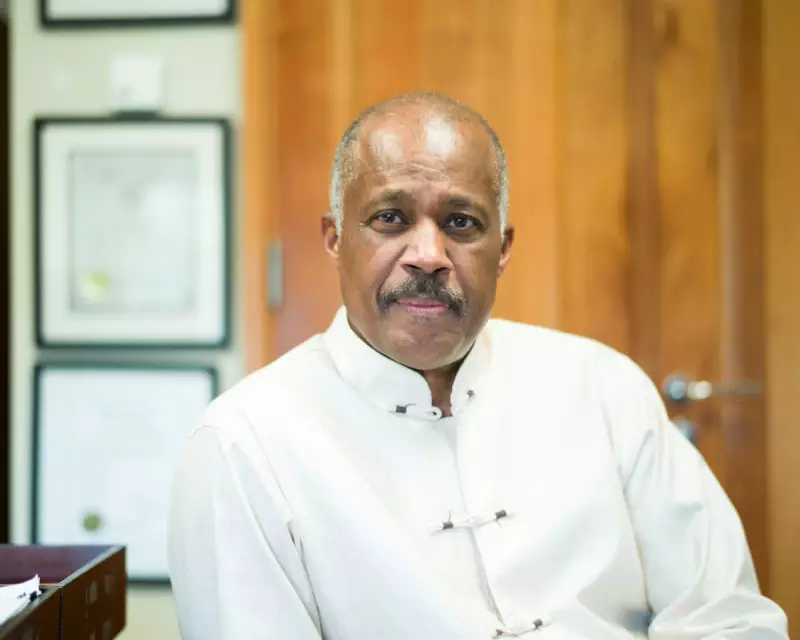
Professor Sir Hilary Beckles, the distinguished chair of the CRC leading the delegation, declared that this visit represents a pivotal moment. He stated that ‘the global reparations movement is entering a new wave of impact, visibility and mobilisation’ and that British civil society has a crucial role in amplifying this message.
Dr Hilary Brown, another delegation member and Caricom's programme manager for culture, emphasised the historic nature of the trip. She described it as the first in a planned series of engagements designed to correct misconceptions and build partnerships to address historical wrongs.
The context for this visit is stark. Between the 15th and 19th centuries, European powers, including Britain, were responsible for the forced transportation and enslavement of more than 12.5 million Africans. Caribbean nations are now demanding formal recognition of this legacy through the CRC's ten-point plan for reparatory justice.
UK Government Resistance and Shifting Public Opinion
The push for reparations has created tension with the UK government. During last year's Commonwealth summit, Prime Minister Keir Starmer acknowledged the slave trade was “abhorrent” but suggested countries should focus on contemporary issues like climate change, effectively ruling out financial payments or a formal state apology.
However, a recent poll commissioned by the Repair Campaign reveals a potential shift in British public consciousness. Key findings include:
- 85% of Britons were unaware that Britain transported over 3 million Africans to the Caribbean.
- 89% did not know that Britain enslaved people in the region for more than 300 years.
- Support for a formal apology has risen to 63%.
- Support for financial reparations now stands at 40%, showing a 4% increase from the previous year.
This growing awareness contrasts with the government's stance, though it has shown slight openness to discussing non-financial reparations such as debt relief.
Caribbean Resolve and a Petition to the King
Undeterred, Caribbean governments are proceeding with determination. At their July summit, Caricom leaders endorsed a formal petition from Jamaica to King Charles III. This petition calls on the monarch to seek legal advice on whether the forced transportation of Africans constituted a crime against humanity and if Britain has a legal obligation to provide a remedy.
Sir Hilary Beckles reinforced that the CRC's visit is an act of “solidarity” with British advocates, connecting the fight for reparatory justice with the Windrush scandal. As this historic visit gets underway, it signals that the call for the UK to confront the full weight of its colonial history is growing louder and more organised than ever before.