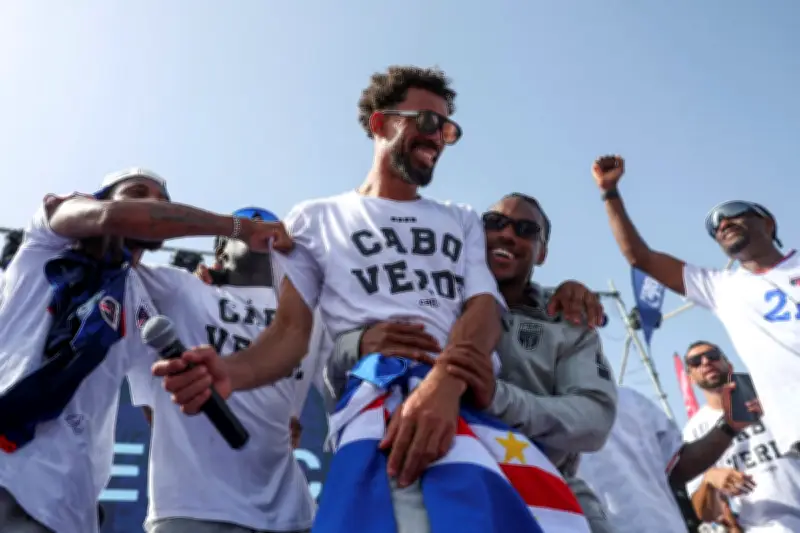
Cabo Verde became the smallest country to reach the knockout stages of the World Cup, but its modern relationship with African solidarity and identity remains fraught with complexity. Coach Bubista expressed pride in representing both the island and Africa, yet at home, many Cabo Verdeans struggle with their African identity due to centuries of Portuguese colonialism and the transatlantic slave trade.
Colonial Legacy and Identity Crisis
António Tavares, a veteran choreographer and director of the cultural centre in Mindelo, noted that some Cabo Verdeans identify as Portuguese rather than African, citing their skin colour and the islands' pre-European uninhabited status. Deep-rooted colourism persists, a legacy of over 500 years of Portuguese rule, during which Cabo Verde served as a major slave trading hub.
The Portuguese instituted a hierarchy based on labour roles and skin colour, which sociologist Nardi Sousa says still influences mentality. He referenced Luso-Tropicalism, a philosophy claiming Portuguese colonisers were more humane due to race-mixing. At Cidade Velha, a UNESCO site, thousands of enslaved Africans were baptised to increase their market value, a process Sousa describes as dehumanising and erasing identity.
Reparations and Historical Acknowledgment
The African Union is pushing for reparations for slavery and colonialism, potentially involving diplomatic pressure or legal action. Cabo Verde's culture minister, Augusto Jorge de Albuquerque Veiga, supports reparations for what was stolen from Africa. However, President José Maria Neves noted that the rise of the rightwing in Europe is slowing the debate. In 2023, Portugal and Cabo Verde agreed a €12m debt-for-climate swap, which some critics view as a soft form of reparations.
Some argue that Cabo Verdeans must first reconnect with their roots. Reports of Black Africans, particularly Nigerians and Senegalese, being profiled at Cabo Verdean airports persist. Tavares sees this as contradicting the pan-Africanist ideals of Amílcar Cabral, who led independence movements. He calls for decolonising the soul through education that recovers forgotten memories.