The city of Bristol is once again grappling with the complex legacy of Edward Colston, as repair work on a historic church believed to be his burial place opens the door to potential exhumation of his remains. This development comes amid ongoing efforts to address the city's connections to the transatlantic slave trade, a topic that has sparked intense debate and protest in recent years.
Church Repairs and Future Uncertainties
Work is set to begin imminently on repairing the roof of All Saints Church in Bristol's city centre, a structure that has been closed to the public since 1984. The Diocese of Bristol has confirmed that this essential maintenance, estimated to cost approximately £500,000, is legally required to ensure public safety. The project is expected to take around six months to complete.
Once the roof repairs are finished, the future of the building remains uncertain. The diocese has been conducting a comprehensive consultation process to determine the most appropriate use for All Saints, with several potential options being explored. This consultation has involved interviews, focus groups, artistic responses, and surveys, engaging particularly with Bristol's African-Caribbean heritage communities and other relevant stakeholders.
Colston's Controversial Legacy
The connection to Edward Colston, a prominent 17th-century slave trader whose philanthropy once earned him civic celebration in Bristol, has complicated discussions about the church's future. For decades, the diocese has wrestled with what to do about All Saints, which is believed to contain Colston's burial place.
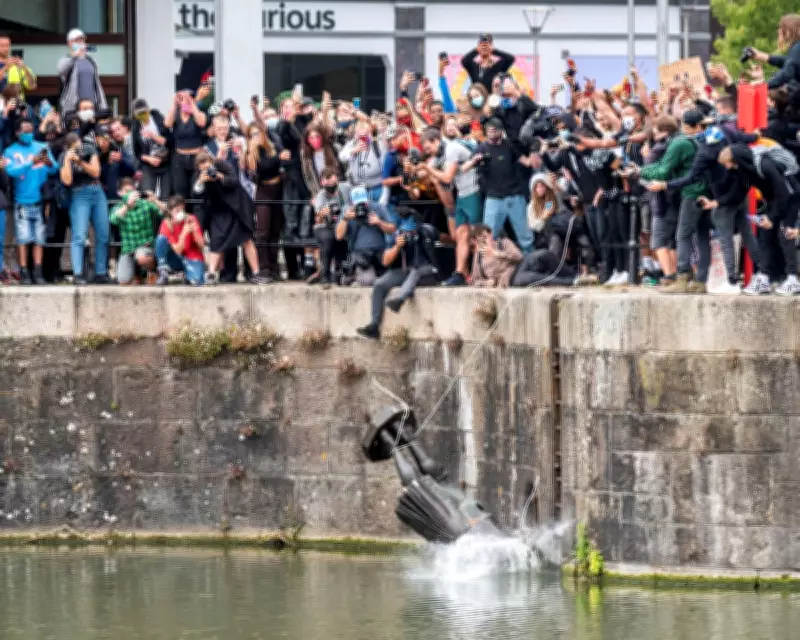
The issue gained international attention in 2020 when protestors toppled a statue of Colston during Black Lives Matter demonstrations and threw it into Bristol Harbour. This dramatic act served as a catalyst for broader reassessment of Colston's legacy throughout the city. Following the statue's removal, windows celebrating Colston were taken down from two Bristol churches, and the concert hall previously named Colston Hall was rebranded as Bristol Beacon.
Consultation and Community Engagement
The Right Rev Neil Warwick, Bishop of Swindon and acting Bishop of Bristol, described the completion of the consultation's first phase as "an important step in listening, learning and discerning the most appropriate way forward for the building." The diocese has emphasised its commitment to thorough community engagement in determining All Saints' fate.
Previous attempts to address the building's future have proven challenging. Demolition was considered but deemed too costly due to shared walls with neighbouring properties. Efforts to sell the building failed because potential buyers were concerned about refurbishment costs. Informal discussions with Bristol City Council about converting the building into a museum did not progress.
Potential Outcomes and Historical Reckoning
A church report published last year suggested re-purposing All Saints as a community resource that could contribute to "the Diocese of Bristol's desire to lament, repent and repair relations." In this scenario, Colston's remains could potentially be exhumed, artefacts removed, and the ground deconsecrated.
The diocese has declined to specify the exact options currently under consideration, but the possibility of removing Colston's remains represents a significant development in Bristol's ongoing reckoning with its historical connections to slavery. This comes as the toppled Colston statue now resides in a discreet corner of a Bristol museum, having been moved there in 2024.
As Bristol continues to navigate these complex historical and ethical questions, the repair work at All Saints Church marks another chapter in the city's evolving relationship with its past. The decisions made about this building will undoubtedly contribute to broader conversations about how communities address difficult historical legacies in public spaces.