Beavers Outperform Humans in Cambridge's Mammal Monogamy Rankings
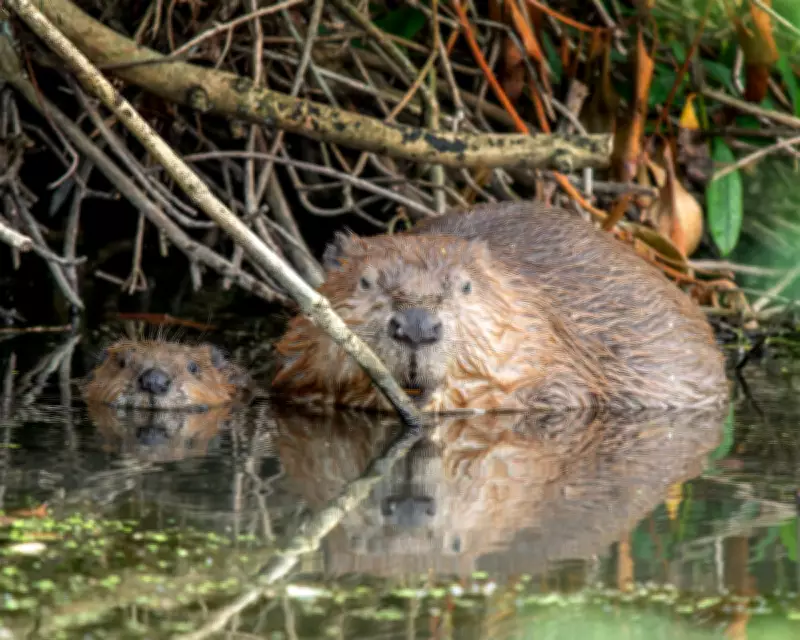
A groundbreaking study from the University of Cambridge has placed humans firmly outside the top spots in a fascinating "monogamy league table" comparing 35 different mammal species. The research, which analyses reproductive patterns through sibling relationships, reveals that Eurasian beavers, African wild dogs, and moustached tamarins all demonstrate higher monogamy rates than Homo sapiens.
The Shifting Landscape of Human Relationships
Contemporary relationship patterns appear to be undergoing significant transformation across British society. Recent surveys indicate growing scepticism about monogamy as a realistic ideal, particularly among younger generations. A May 2023 poll found that 42% of 18- to 24-year-olds questioned whether monogamy remains achievable in modern times.
This cultural shift manifests in various ways, from increasing interest in ethical non-monogamy arrangements to the phenomenon of "quiet divorce" where couples mentally disengage without formal separation. Mainstream dating platforms now regularly feature profiles indicating preferences for polyamory or open relationships, reflecting changing attitudes toward traditional partnership models.
Understanding the Cambridge Research Findings
The Cambridge study, led by evolutionary anthropologist Dr Mark Dyble, measured reproductive monogamy by examining the proportion of half and full-siblings within each species. Humans achieved a respectable position within the top ten but found themselves ranked below several other mammals including beavers and gibbons.
At the table's summit sits the California deermouse, a species known for lifelong pair bonding, while Scottish Soay sheep occupy the bottom position due to their promiscuous mating patterns. The research establishes monogamy as the dominant reproductive pattern for humans but highlights significant variation across mammalian species.
Historical and Cultural Context of Human Pair Bonding
Unlike other mammals, human relationships have always been profoundly influenced by cultural, religious, and economic factors. The institution of marriage, estimated to be approximately 4,300 years old, represents a relatively recent development in our species' 300,000-year history. Originally functioning to establish paternity and property rights, marriage has evolved through centuries of religious and state intervention.
Dr Dyble emphasises that human mating systems demonstrate remarkable diversity globally, with only a minority of societies practising strict monogamy. Our species has developed various partnership approaches including serial monogamy and stable polygamy, all while maintaining conditions conducive to committed parenting.
Evolutionary Perspectives on Relationship Diversity
When compared with our primate relatives, human monogamy preferences appear particularly distinctive. Mountain gorillas and chimpanzees, ranking low in the Cambridge study, typically live in non-monogamous social groups. Human monogamy likely developed from similar ancestral arrangements, representing an evolutionary adaptation rather than a fixed biological imperative.
The current questioning of monogamous norms might therefore represent another evolutionary step rather than a deviation from our essential nature. As cultural expectations, economic pressures, and technological influences continue to shape relationship dynamics, human mating systems demonstrate both remarkable resilience and adaptability.
Looking Beyond Simple Biological Determinism
The Cambridge research serves as a timely reminder that monogamy cannot be evaluated in isolation from broader social contexts. Political structures, religious beliefs, economic conditions, and increasingly digital technologies all contribute to shaping relationship norms and expectations.
As society continues to evolve, so too will our approaches to partnership and commitment. The California deermouse's lifelong bonding becomes particularly understandable when considering its brief wild lifespan of less than two years, highlighting how different species adapt their mating strategies to their specific environmental and biological circumstances.