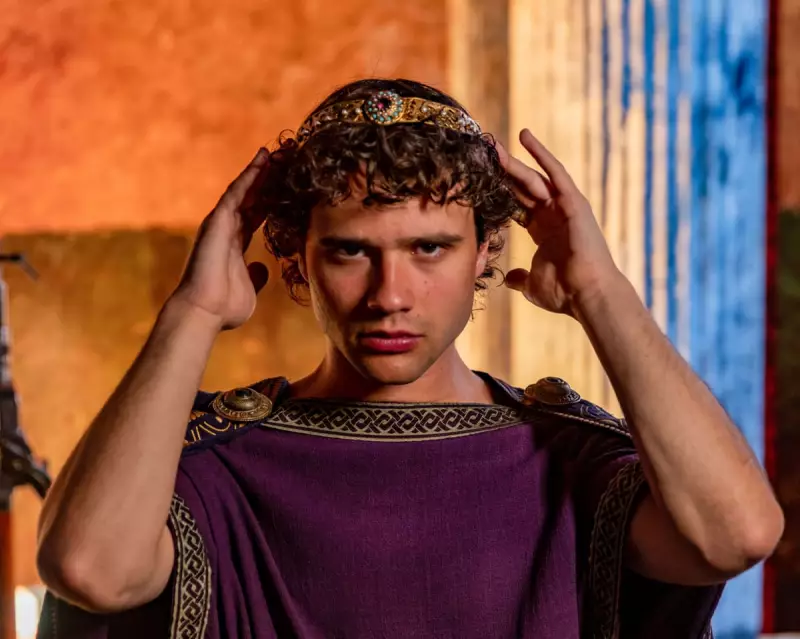
The latest instalment in the BBC's landmark documentary series arrives at a moment of profound societal uncertainty, holding up a mirror to our times through the lens of ancient history. Civilisations: Rise and Fall presents a stark examination of four great societies that crumbled, with unsettling relevance to contemporary Britain.
Echoes of Ancient Collapse
Narrated by the compelling Sophie Okonedo, the series shifts focus from cultural triumphs to catastrophic downfalls. It meticulously traces the demise of Rome, Egypt, the Aztec empire, and Japan's samurai culture, revealing patterns that modern viewers will find uncomfortably familiar. The opening episode transports us to Rome on 24 August, AD410, as the empire that dominated Europe for five centuries faces imminent collapse.
What emerges most powerfully is how ordinary citizens responded to crisis. The wealthy scrambled to hide their treasures while the poor fled for their lives, all as a handful of power-obsessed leaders made decisions that would bring the mightiest civilisation on Earth to its knees. The parallels with today's climate of inequality and political instability are impossible to ignore.
Contemporary Warnings in Ancient Artefacts
The series makes brilliant use of artefacts from the British Museum to tell its cautionary tale. A 2,050-year-old head of Augustus and the legendary Rosetta Stone take on new significance as symbols of power and communication in declining empires. Particularly striking is the Projecta casket from AD350-400, which illustrates how wealth concentration among Rome's elite 1% drained imperial coffers and contributed to collapse.
Expert commentator Luke Kemp from the Centre for the Study of Existential Risk delivers one of the series' most chilling observations: "Wealth inequality is the most common and crucial element in societal collapse." He describes how economic disparity "corrodes the social fabric and hollows out societies, leaving them as brittle shells vulnerable to external shocks."
Modern Storytelling for Ancient Lessons
This threequel distinguishes itself from its predecessors - Kenneth Clark's 1969 original and the 2018 revival - through its urgent, Netflix-influenced style. Dramatic re-enactments feature bejewelled actors staring portentously into the distance, while countdown timers ratchet up tension as each civilisation approaches its inevitable downfall.
The series assembles a diverse range of commentators, from sculptor Antony Gormley discussing a 550-year-old Aztec turquoise skull to former political strategist Alastair Campbell analysing the toxic Ptolemaic dynasty. This approach creates a rich tapestry of perspectives on why civilisations fail.
Yet the programme raises unanswered questions about how these artefacts came to reside in the British Museum, leaving viewers to ponder the ethics of cultural appropriation and whether restitution might form the basis of a future series.
As Valerie Amos, one of the series' contributors, succinctly notes: "The seeds of a society's destruction are sown within it." Civilisations: Rise and Fall serves as both historical document and urgent warning, asking whether we're destined to repeat the mistakes of the past or capable of learning from them.