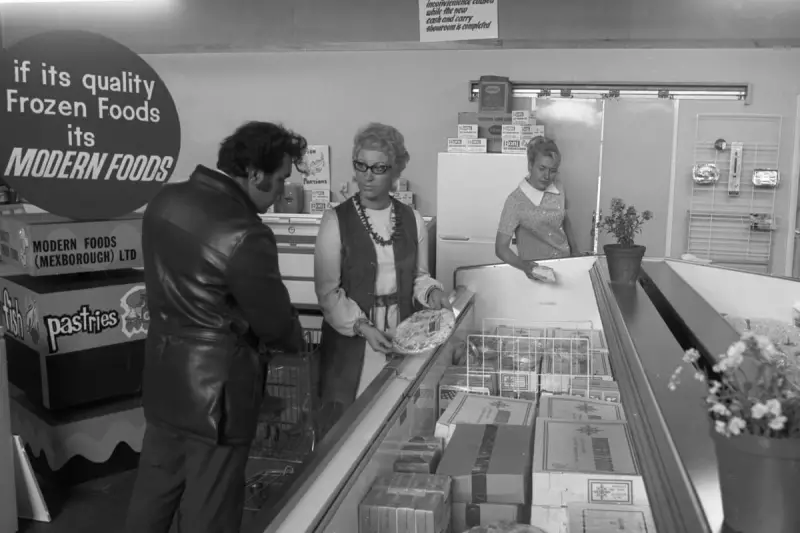
For generations of Britons who grew up during the 1970s, 80s and 90s, ready meals represented more than just convenience - they symbolised a culinary revolution that transformed how families ate. As more women entered the workforce and office hours lengthened, these frozen and chilled solutions became kitchen staples across the UK.
The Dawn of Convenience Dining
The ready meal phenomenon actually began in 1950s America when Swanson found itself with excess turkey after Thanksgiving in 1953. The company's solution - creating complete turkey dinners in aluminium trays - sparked a global trend. British households eagerly embraced this new way of eating as freezers became commonplace and microwave technology accelerated cooking times.
In the UK, M&S pioneered chilled ready meals in 1979 with their iconic chicken kiev, moving beyond the frozen options that had dominated previously. The combination of changing lifestyles and advancing kitchen technology created the perfect environment for ready meals to flourish.
Iconic Meals That Defined Eras
Several ready meals achieved legendary status during these decades, becoming embedded in British food culture. Vesta curries introduced many Britons to Asian cuisine for the first time, with their exotic marketing promising a 'package tour' of global flavours. While not authentic by today's standards, dishes like beef curry with rice and chow mein with crispy noodles seemed thrillingly foreign at the time.
Findus Crispy Pancakes, launched in 1958, became a firm favourite through the 70s and 80s, particularly among children and students. The cheese-filled varieties provided quick, satisfying meals that required minimal cooking skill. Though discontinued in 2016, they later made a comeback due to popular demand.
Birds Eye's boil-in-the-bag offerings, particularly cod in butter or parsley sauce, defined convenience cooking despite the challenge of extracting the contents without burns or spills. Meanwhile, Smedley's tinned sausage rolls offered an unexpected gourmet experience despite their humble packaging.
Sweet Endings and Modern Legacy
No nostalgic journey through ready meals would be complete without desserts. Arctic roll reached phenomenal popularity, with over 25 miles of the vanilla ice cream and raspberry jam sponge sold monthly at its peak. Though discontinued in 1997 due to declining interest, it later returned as Britons rediscovered their affection for this frozen classic.
The 90s brought microwave-specific innovations like McCain Micro Pizzas, which sacrificed authenticity for speed, often sticking to their cardboard bases and burning mouths of impatient eaters. Lunch Buckets attempted to revolutionise lunchtimes with hot meals in plastic tubs, while Pot Noodle's original cheese and tomato flavour divided opinion with its distinctive aroma.
These ready meals not only fed generations but also reflected Britain's evolving food landscape, introducing new flavours and convenience that paved the way for today's extensive ready meal market. They remain powerful triggers of nostalgia for those who experienced them during their formative years.