The UK organic food and drink sector is experiencing its most significant growth surge in two decades, propelled by heightened consumer focus on food provenance, health, and trustworthiness. This resurgence marks a notable bounceback for an industry that faced challenges post-2008 financial crisis and during the pandemic, with sales now expanding at a pace that outstrips the broader food market.
Riverford Leads the Charge with Strong Financial Performance
Riverford, the employee-owned vegetable box delivery company based in Devon, has reported a robust 6% increase in sales, reaching £117 million for the year ending May 2025. This growth aligns with new data from the Soil Association, indicating the UK organic market expanded by almost 9% over the same period. The company's success enabled it to distribute a £1.1 million bonus to its workforce, reflecting the sector's vitality.
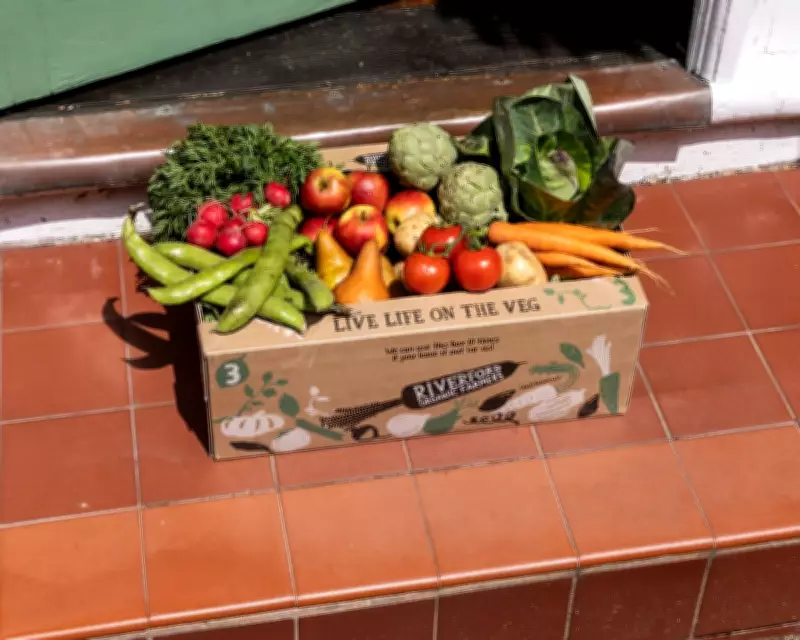
Rob Haward, Chief Executive of Riverford, highlighted that the firm has attracted new customers while existing clients have increased their spending. "We haven't seen the market grow as much as this for 20 years," he remarked, attributing the rapid growth to greater awareness of healthy diets and mounting concerns over finding reliable food sources. Riverford delivers approximately 70,000 boxes weekly, offering not just vegetables but also meat, cheese, cookbooks, and recipe boxes.
Challenges and Opportunities in the Organic Sector
Despite the sales uptick, Riverford's operating profits declined to £3.4 million from £4.7 million the previous year. Haward explained that the company absorbed some rising costs rather than passing them fully onto customers, with prices increasing by 3% due to factors like higher wages, energy expenses, and Brexit-related paperwork affecting imports from farms in France and Spain.
Sales growth dipped temporarily during a hot summer but rebounded strongly over the Christmas period and into the new year. Haward remains optimistic about continued growth, noting that organic food accounts for only 2% of UK food sales, lagging behind European counterparts such as Denmark and Germany. "We have got a bit of ground to make up," he stated, emphasising the potential for expansion.
Government Support and Future Outlook
Haward pointed to ongoing challenges, including inflation impacting suppliers through higher fuel, labour, and packaging costs. He welcomed the relaunch of the government-backed Sustainable Farming Incentive (SFI) in June but warned of a potential "gap in supply" due to uncertainty that has hindered organic farming expansion. "The real challenge for farmers is uncertainty," he said, urging the government to provide clear, stable support to help meet rising demand.
Looking ahead, Haward noted that trading conditions remain challenging as the company moves into 2026, but consumer interest in food origins, production methods, and ethical benefits persists. Riverford continues to invest in sustainability, with 70% of its delivery vans now electric and two electric HGVs added to its fleet, alongside nature recovery projects like woodland planting at its Wash Farm and neighbouring sites.
Riverford's Evolution and Employee Ownership Model
Founded in 1986 by Guy Singh-Watson, who began home deliveries to about 30 friends in 1993, Riverford has evolved into a major player in the organic market. Singh-Watson sold nearly three-quarters of the company to employees in 2018 and divested his final 20% stake in 2024 for £8.5 million. The business now employs around 1,000 staff, each receiving an equal profit share, paid at least the living wage, and involved in operational decisions. In the previous financial year, employees received a slightly larger £1.3 million payout.
This employee-owned structure aligns with the growing consumer preference for businesses that prioritise social and environmental responsibility, further driving the organic market's momentum as it seeks to close the gap with Europe and foster a healthier, more sustainable food system in the UK.