Son of Jailed Hong Kong Media Tycoon Criticises UK Government's Approach During China Visit
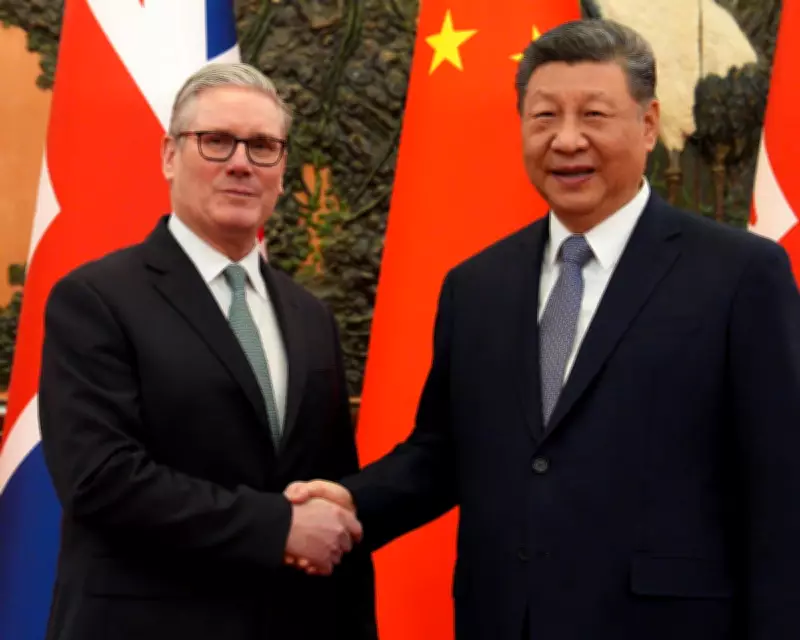
The British son of imprisoned Hong Kong media entrepreneur Jimmy Lai has launched a stinging critique of the UK government's handling of his father's case during Prime Minister Keir Starmer's recent diplomatic visit to China. Sebastien Lai has expressed profound disappointment that ministers failed to attach conditions to his father's release during what represented the first trip to China by a British leader in eight years.
Parliamentary Hearing Reveals Growing Frustration
Speaking at a parliamentary hearing convened by the all-party parliamentary group on arbitrary detention and hostage affairs, Sebastien Lai articulated his mounting concerns. He emphasised that his father's ongoing incarceration represents not merely a humanitarian concern or national security issue, but a fundamental challenge to British values. "Where our values are being locked up" alongside his father, Sebastien told MPs, highlighting the symbolic importance of the case.
The hearing took place against the backdrop of Jimmy Lai's deteriorating health in solitary confinement. The 78-year-old British citizen was convicted of national security offences in December 2025 following a trial lasting nearly two years. International human rights organisations have consistently denounced the proceedings as politically motivated, characterising them as a direct assault on press freedom.
Missed Opportunities During Diplomatic Mission
Sebastien Lai revealed that he had met with Foreign Secretary Yvette Cooper weeks before the prime minister's China visit, during which he stressed both the critical importance of his father's case and the alarming decline in his health. Despite these discussions, the subsequent diplomatic mission proceeded without securing Jimmy Lai's freedom.
"If it is so important then surely there should be some conditionalities put on my father's release," Sebastien argued during the parliamentary session. "The trip was a big thing to have been given away, the embassy as well." His comments reflect a growing sentiment among critics that the UK government missed a crucial opportunity to leverage its diplomatic engagement.
Political Backlash and Strategic Questions
The prime minister's China visit has generated significant political controversy, with parliamentarians questioning why Starmer travelled to Beijing with what they describe as the "embassy in our back pocket" without first ensuring Jimmy Lai's release. While the trip yielded some tangible outcomes including a visa waiver agreement, the lifting of sanctions on British MPs and peers, and commitments for British investment in China, these achievements have been overshadowed by the ongoing detention.
Former Hong Kong governor Chris Patten offered a particularly biting assessment, remarking that "it was a tragedy that the only thing that came out of this trip was Johnnie Walker not Jimmy Lai" – a reference to the reduction on whisky taxes agreed between the two nations. Lord Patten further questioned the substance of discussions regarding Jimmy Lai's case, noting that while the government confirmed the matter was raised, details of China's response remain unclear.
Legal Team Expresses Strategic Concerns
Caoilfhionn Gallagher KC, who leads Jimmy Lai's international legal team and has met with both Starmer and Cooper, acknowledged a shift in the government's urgency regarding the case. However, she expressed reservations about the strategic approach, stating: "We make no secret of the fact we think there's been a strategic misstep in not putting conditionality. It feels to us the UK hasn't necessarily played the cards it has as well as it could have."
Sebastien Lai delivered an emotional plea during the hearing, emphasising the critical nature of the situation: "Time is running out for my father. Surely a man who defended freedom deserves a bit of it himself." He warned of potentially catastrophic consequences for both governments should his father pass away while in prison, noting that sentencing details remain uncertain.
The case continues to represent a significant diplomatic challenge for the UK government as it seeks to balance its desire for closer economic ties with China against its commitment to human rights and the protection of British citizens abroad.