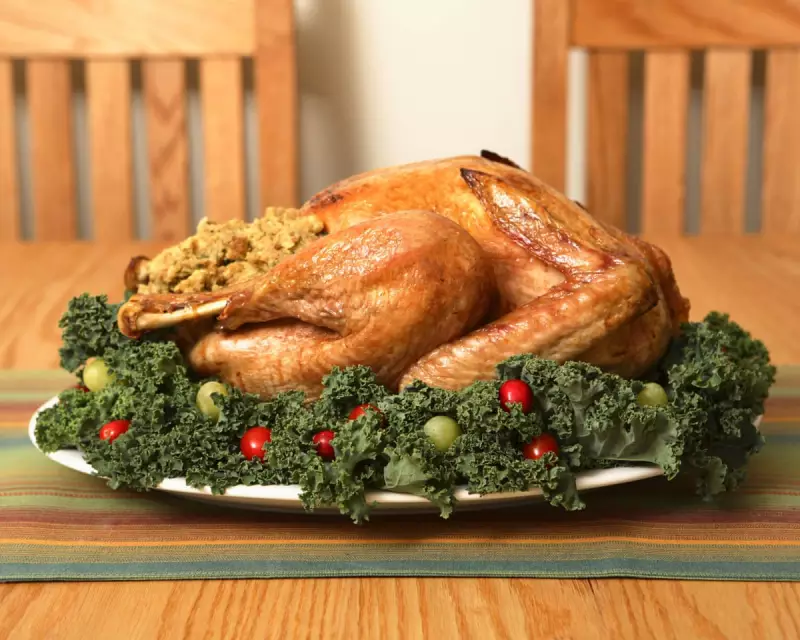
The clash of cultures hits British dining tables every November as families grapple with an American import: the 3pm Thanksgiving dinner. This seemingly simple timing decision has become a source of genuine family conflict in UK households attempting to adopt the tradition.
The Transatlantic Timing Dilemma
Thanksgiving dinner at 3pm represents one of the most challenging aspects of transplanting American traditions onto British soil. While Americans have grown accustomed to this unusual dining hour, it disrupts the entire rhythm of a British day. The traditional British Sunday roast typically occurs around 1pm or 2pm, while evening meals generally begin around 6pm or 7pm. The 3pm slot falls awkwardly between these established meal times, leaving everyone uncertain about breakfast, lunch, and whether there will be room for an evening meal.
The timing creates practical dilemmas throughout the day. Should you eat a normal breakfast? Is there space for lunch? What happens to the evening? This scheduling confusion can lead to hangry family members and logistical headaches for hosts trying to coordinate cooking times with guest expectations.

Family Dynamics and Cultural Negotiation
Adopting Thanksgiving in Britain often involves complex family negotiations. British spouses married to Americans frequently find themselves mediating between their partner's cherished traditions and their own family's expectations. The article highlights how these cultural differences can strain relationships, with the dinner timing serving as a flashpoint for broader discussions about identity and compromise.
The 3pm dinner represents more than just a meal time - it symbolizes the challenge of blending two different cultural approaches to celebration. British family members might view the early dinner as disrupting their entire day, while American partners see it as an essential part of maintaining their heritage. This tension often requires careful navigation and mutual understanding.
Making Thanksgiving Work in Britain
Despite the challenges, many British families have found creative solutions to make Thanksgiving work. Some opt for compromise timings that better suit British sensibilities, while others embrace the full American experience complete with the unusual dinner hour. The key lies in communication and flexibility from all parties involved.
Successful British Thanksgiving celebrations often involve adapting rather than adopting traditions wholesale. This might mean adjusting meal times, incorporating British elements into the menu, or creating new hybrid traditions that honor both cultures. The goal becomes creating meaningful experiences rather than perfect recreations of American Thanksgivings.
Ultimately, the 3pm Thanksgiving dinner debate highlights the broader challenges of cultural adoption. What works perfectly in one country may need adjustment when transplanted elsewhere. The families who navigate this successfully are those who focus on the spirit of gratitude and togetherness rather than getting every detail exactly right.