The US Food and Drug Administration (FDA) has announced a major recall of salad dressings after discovering foreign objects, identified as plastic, within the ingredients. The action involves more than 3,500 cases of product distributed across the country.
Details of the Contamination and Recall
The recall was initiated by the manufacturer, Ventura Foods, based in California, on 6 November. The FDA later classified it as a "class II" recall on 4 December, indicating a situation where exposure to the product might cause temporary or medically reversible health issues. The contamination source was traced to "black plastic planting material" found within granulated onion used in the dressings.
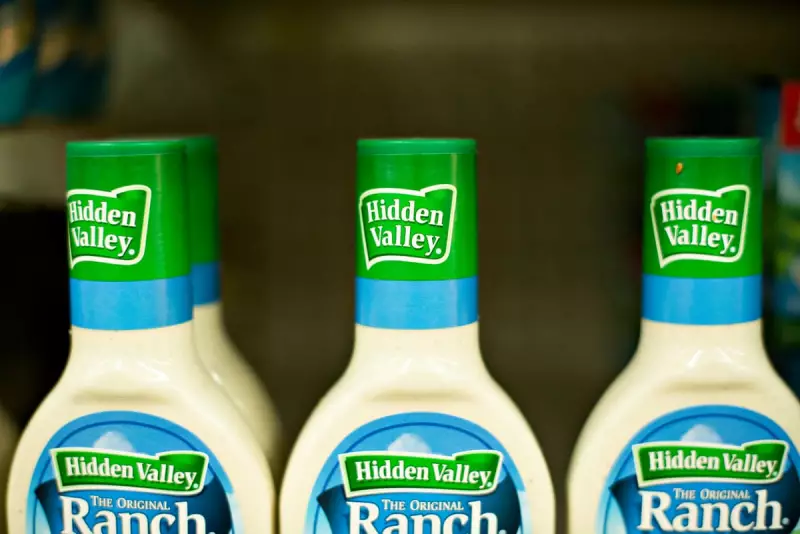
Affected products include several well-known varieties, all in large, 1-gallon or service deli-sized bottles. The list encompasses Italian Salad Dressing, Creamy Poblano Avocado Ranch Dressing and Dip, Ventura Caesar Dressing, Pepper Mill Regal Caesar Dressing, Pepper Mill Creamy Caesar Dressing, and Hidden Valley Buttermilk Ranch. Importantly, standard grocery store-sized bottles sold directly to consumers are not part of this recall.

Widespread Distribution and Consumer Advice
The contaminated dressings were shipped to retailers nationwide, including Costco, and reached 42 locations across 27 states, from Florida and Texas to Illinois and Washington. One shipment was also sent to a customer in Costa Rica. Because the products were intended for food service and deli counters, there is a possibility the dressing was used in prepared meals sold to the public.
The FDA and the company advise consumers who may have purchased these specific large-format products not to consume them. They should be returned to the place of purchase for a full refund. A spokesperson for Hidden Valley clarified that no retail products sold directly to shoppers in stores are affected, only a specific food-service item manufactured by Ventura Foods.
Implications for Food Safety
This incident highlights ongoing challenges in supply chain quality control for major food manufacturers. While the health risk is deemed temporary, the discovery of plastic foreign material triggers significant regulatory action to protect public health. Consumers, particularly those who purchase ready-to-eat meals from deli counters, are urged to remain vigilant and check with retailers if concerned.