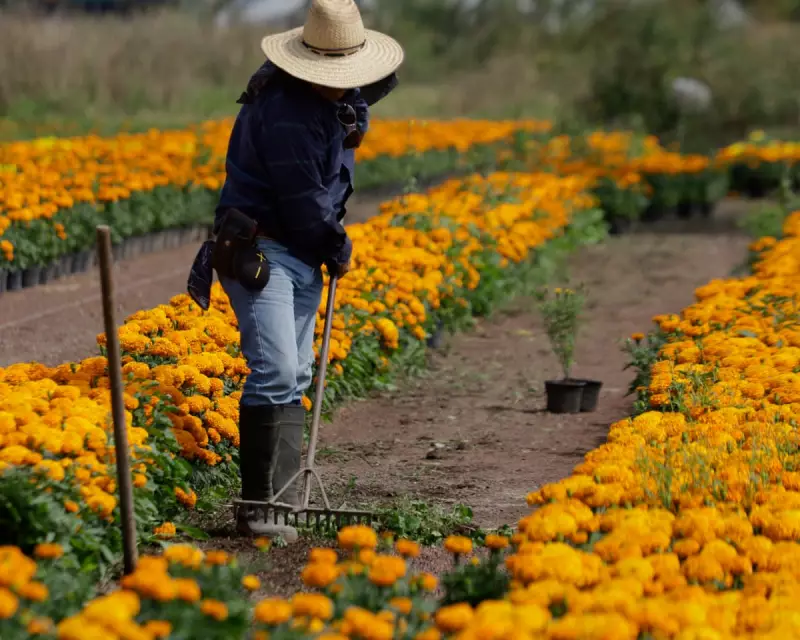
For Indigenous communities across North America, the concept that food is medicine represents a fundamental truth passed down through generations. This ancestral wisdom, now gaining recognition beyond Native circles, offers powerful solutions to contemporary health and environmental challenges facing the United Kingdom and the world.
The Power of Indigenous Food Sovereignty
According to Kate Nelson, who co-wrote Turtle Island: Foods and Traditions of the Indigenous Peoples of North America with renowned Oglala Lakota chef Sean Sherman, this knowledge has ensured survival through centuries of adversity. Before European colonisation, Native communities maintained robust health through ecologically sound food systems that stood in stark contrast to today's extractive food industry.
Sherman's Minneapolis restaurant, Owamni, exemplifies this approach by serving completely decolonised cuisine. The establishment deliberately excludes European-introduced ingredients like beef, chicken, pork, dairy, wheat flour, and sugar cane, focusing instead on traditional Indigenous foods that sustained communities for centuries.

Ancient Wisdom for Modern Challenges
Indigenous communities developed sophisticated agricultural techniques perfectly adapted to their environments. The Zuni people created waffle gardens in the south-west desert, using sunken squares to collect precious water. Meanwhile, the Aztecs developed chinampas - floating gardens on human-made islands in shallow lakes and swamps.
These sustainable practices extended to land management through techniques like controlled burns, which maintained ecological balance. The philosophy emphasised taking only what was needed, ensuring future abundance for both people and wildlife.
Colonial Disruption and Resilience
As American colonialism expanded, Native food systems became deliberate targets for destruction. The US government employed scorched-earth campaigns in the south-west and systematically slaughtered bison herds in the Great Plains to near extinction. These tactics aimed to control Native populations by destroying their food sources.
When communities were forcibly relocated to reservations on unwanted land, they received government commodity foods - highly processed, nutrient-deficient products that created lasting health disparities. The introduction of these foods correlates directly with the emergence of conditions like obesity, type 2 diabetes, and heart disease in Native populations.
Despite this disruption, Indigenous communities demonstrated remarkable resilience. The Navajo people, for instance, adapted introduced Iberian sheep breeds into the Navajo churro sheep, which became integral to Diné cultural and culinary traditions.
A Blueprint for Our Collective Future
Today, there's growing recognition of traditional ecological knowledge that Western science long dismissed. Thought leaders like Potawatomi botanist Robin Wall Kimmerer and Binnizá/Zapotec/Maya Ch'orti' environmental scientist Jessica Hernandez are reshaping understanding of sustainable living.
The land back movement, which sees territories returned to Native stewardship, benefits everyone. Remarkably, Indigenous peoples protect approximately 80% of the world's remaining biodiversity while representing just 5% of the global population.
As Nelson emphasises, Indigenous knowledge isn't for hoarding but for sharing. These foodways offer a decolonised blueprint for a future where nutritious, sustainably harvested food becomes recognised as a basic human right. The message is clear: food is medicine, and it's medicine that can heal both people and the planet.