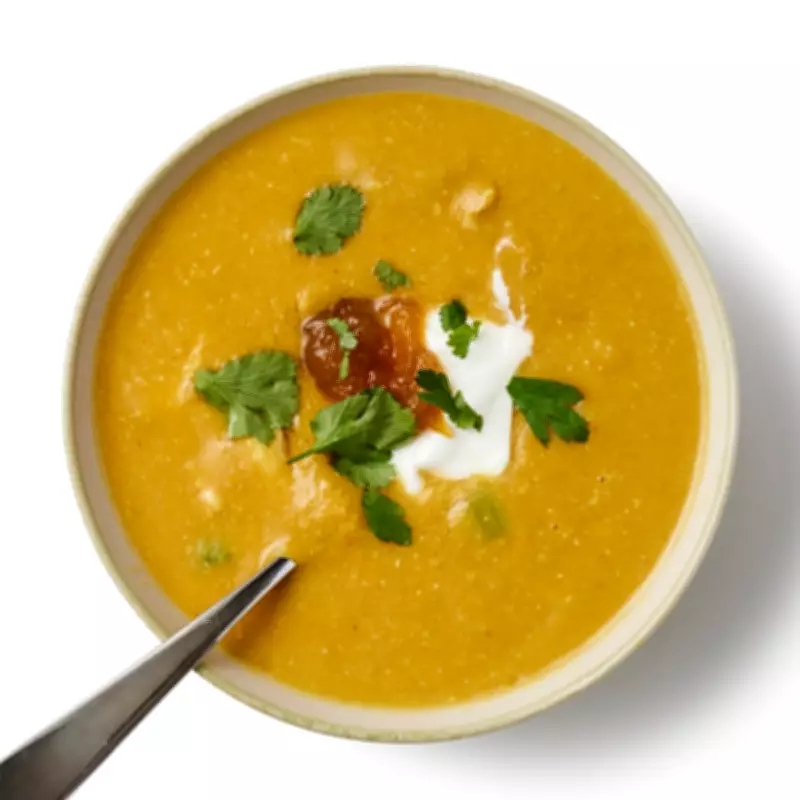
Rediscovering Mulligatawny: A Warming Winter Soup
Have you forgotten how delightfully comforting a bowl of mulligatawny can be? This spicy, aromatic soup, with its roots in British colonial history, offers a warming embrace during the colder months. Despite its somewhat old-fashioned name, which derives from the Madrassi broth "molo tunny," mulligatawny has aged far more gracefully than the imperial era that popularised it. Today, it stands as a testament to culinary fusion, blending Indian spices with British soup traditions into a hearty, flavourful dish.
The Origins and Appeal of Mulligatawny
Interestingly, mulligatawny is rarely found on the menus of modern Indian restaurants, likely due to its colonial origins. However, this should not deter food enthusiasts from exploring its rich, gently spiced profile. The soup typically features a base of lentils, vegetables, and sometimes meat, simmered with curry powder and other spices to create a deeply satisfying meal. It's a versatile dish that can be adapted to various dietary preferences, making it a wonderful addition to any winter cooking repertoire.
Felicity Cloake's Mulligatawny Recipe
Food writer Felicity Cloake provides a clear, accessible recipe for making mulligatawny at home. With a preparation time of 15 minutes and a cooking time of 50 minutes, this recipe serves four to six people, making it ideal for family dinners or meal prep. The ingredients list includes common items like onions, carrots, and garlic, along with more specialised components such as ghee, madras curry powder, and masoor dal (split orange lentils).

Key Ingredients and Substitutions
Base Vegetables: The recipe calls for onion, carrot, parsnip, and celery, but Cloake notes flexibility here. She recommends including at least one sweet vegetable, such as parsnip, squash, swede, or sweet potato, to balance the spices.
Protein Options: Traditionally, mulligatawny was made with chicken, mutton, or goat. Cloake suggests using a chicken thigh with bone-in and skin-on for added flavour, but lamb or plant-based alternatives work well too. For a lighter version, the meat can be omitted entirely.
Spices and Flavourings: Madras curry powder is preferred for its authentic blend of coriander, turmeric, cumin, and other spices. Cayenne pepper or mild chilli powder adds heat, while lemon juice and fruity chutney like mango provide tangy and sweet notes.

Step-by-Step Cooking Instructions
- Prepare the Base: Finely slice the onion and dice the carrot, parsnip, and celery. Keep the onion separate from the other vegetables.
- Sweat the Onion: Heat ghee or oil in a large saucepan, then fry the onion until softened and golden. Meanwhile, crush garlic and grate ginger.
- Sauté Vegetables: Add the carrot, parsnip, and celery to the pan, cooking until slightly softened. Remove a spoonful and set aside for later.
- Add Aromatics: Stir in the garlic and ginger, cooking briefly to release their flavours without browning.
- Incorporate Spices: Add cayenne pepper and madras curry powder, stirring for a minute to toast the spices.
- Simmer with Stock and Protein: Pour in chicken, lamb, or vegetable stock, then add the chicken or lamb and masoor dal. Bring to a simmer.
- Cook Until Tender: Cover and simmer gently for 35 minutes, or until the dal is soft and the meat is cooked through. Soak flaked almonds in hot milk or water during this time.
- Blend and Season: Remove the meat, blend the soup until smooth, then whisk in the almond puree. Adjust consistency with extra stock if needed. Stir in lemon juice, salt, and chutney to taste.
- Finish and Serve: Shred the meat, discarding skin and bones, and stir it back into the soup along with the reserved sautéed vegetables. Garnish with fresh coriander and a dollop of plain yoghurt.
Tips for Success and Storage
Cloake emphasises that mulligatawny is a forgiving dish. For a nut-free version, omit the almonds or use unsweetened coconut flakes instead. The soup can be made ahead of time and stored in the refrigerator for several days, or frozen for longer storage, making it a convenient option for busy households. Its rich, spicy flavours often improve after a day or two, allowing the ingredients to meld together beautifully.
Whether you're seeking a new winter warmer or revisiting a classic, this mulligatawny recipe offers a delicious journey into a unique culinary heritage. With its blend of history, flavour, and practicality, it's a dish well worth rediscovering and enjoying throughout the cold season.