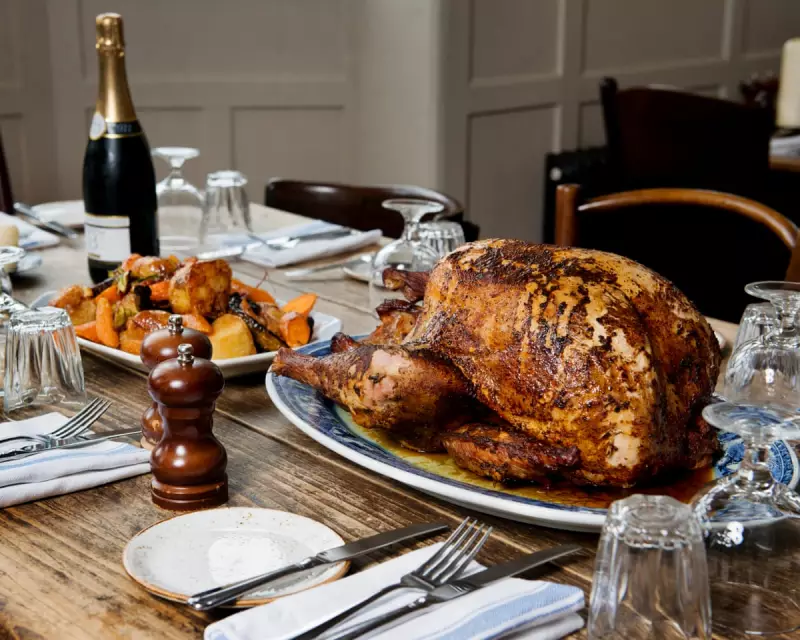
As autumn leaves turn golden and November's chill settles across Britain, an American tradition continues to capture imaginations on this side of the Atlantic. Thanksgiving, with all its contradictions and complexities, offers more than just another reason for commercial indulgence.
The Cynicism Surrounding Modern Thanksgiving
There are plenty of valid reasons to approach Thanksgiving with a healthy dose of scepticism. The holiday has become heavily commercialised, often feeling like little more than a pre-Christmas spending opportunity. The historical narrative of peaceful Pilgrims and Native Americans sharing a meal conveniently overlooks the brutal colonialism that followed.
Furthermore, the environmental impact of mass turkey farming gives pause for thought, while the pressure to create a perfect family gathering can create immense stress rather than genuine connection. The entire concept can feel like an imported American excess that Britain doesn't particularly need.

The Enduring Power of Shared Food and Tradition
Yet beneath these legitimate concerns lies something profoundly human and universally valuable. Thanksgiving at its core represents something simple and beautiful: the act of gathering with loved ones to share food and express gratitude.
The centrepiece turkey, despite its sometimes-dry reputation, serves as a powerful symbol of abundance and celebration. The ritual of preparing this substantial bird, the careful timing of roasting, and the collective effort involved in creating the full meal creates bonds between participants.
As the article notes, the very scale of cooking a turkey makes it an inherently communal activity. Unlike an ordinary weekday dinner, this is cooking as event, as theatre, as shared purpose. The challenge of preparing something large enough to feed everyone brings people together in the kitchen, creating memories alongside the meal itself.
Thanksgiving's Resonance in British Culture
For Britons who celebrate Thanksgiving, whether as American expats, binational families, or simply enthusiasts of meaningful traditions, the holiday offers something distinctive from Britain's own calendar of celebrations.
Unlike Christmas with its religious and commercial complexities, or New Year's with its pressure to have the perfect party, Thanksgiving focuses purely on gratitude and togetherness. The absence of gift-giving removes financial pressure, while the simple act of sharing what you're thankful for encourages reflection and vulnerability.
The tradition has found particular resonance in London and other cosmopolitan British cities where international communities blend. Restaurants across the capital now offer Thanksgiving menus, while British supermarkets increasingly stock the necessary ingredients for those wanting to recreate the experience at home.
This cultural exchange demonstrates how traditions can evolve and find new meaning when transplanted to different soils. The British version of Thanksgiving often becomes more intimate, less commercial, and sometimes even incorporates local seasonal ingredients alongside the traditional turkey and pumpkin pie.
Finding Personal Meaning in the Rituals
What emerges from examining Thanksgiving's contradictions is that the holiday's true value lies in what individuals choose to make of it. The traditions become meaningful not because of their historical accuracy or commercial presentation, but through the personal significance we赋予 them.
For some, it's the annual opportunity to reconnect with distant friends. For others, it's the comforting rhythm of familiar recipes passed through generations. Many find that consciously practicing gratitude—literally counting blessings—provides a psychological boost as winter's darkness descends.
The very act of preparing the elaborate meal becomes a form of mindfulness, pulling participants away from screens and distractions into the physical, sensory world of cooking. The shared effort in the kitchen, the coordination of timing multiple dishes, the collective problem-solving when things go slightly wrong—these create the real magic of the day.

Ultimately, Thanksgiving endures because it answers a fundamental human need to pause, to gather, to eat together, and to express thanks. However imperfect its history and however commercialised its modern form, the core ritual of sharing food and gratitude remains powerfully relevant, even an ocean away from where it began.