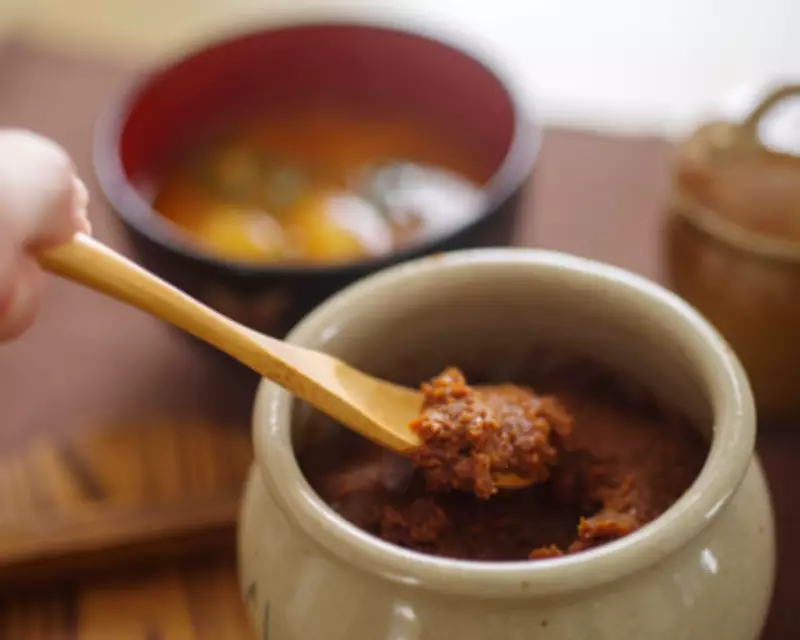
Miso Mastery: How Age Transforms Colour and Flavour in Japanese Pastes
Miso paste, a cornerstone of Japanese cuisine, undergoes a remarkable transformation as it ages, developing distinct colours and complex flavour profiles that can elevate home cooking. Understanding these differences allows cooks to select the perfect paste for each dish, from light soups to rich marinades.
The Science Behind Miso's Evolution
Salty and savoury miso is typically created by steaming soybeans, mashing them with salt and koji (a fermentation starter), then allowing the mixture to ferment. Age is the critical factor that determines both colour and taste, explains Tim Anderson, author of JapanEasy Kitchen: Simple Recipes Using Japanese Pantry Ingredients.
"White miso ferments for just three to six months, retaining a beany, beige-yellow colour and fresher flavour," Anderson notes. "Red miso ages for six months or longer, developing a darker hue and more pronounced funkiness." He compares this progression to cheese maturation, where young Gouda offers mild saltiness while aged versions develop buttery, caramelised notes.

Choosing Between White and Red Miso
Many recipes don't specify which miso to use because, as Anderson acknowledges, "you can often substitute one for another without drastically altering the dish." However, following general guidelines ensures optimal results:
- White miso works best for lighter dishes, accentuating freshness and acidity
- Red miso adds richer, more concentrated savoury depth to heartier recipes
Anderson illustrates this with his misotrone recipe (a miso-seasoned minestrone): "White miso highlights tomato acidity, while red miso creates a more intense tomato flavour."
Expert Applications and Creative Blending
Professional chefs demonstrate diverse applications for different miso types. Emiko Davies, author of The Japanese Pantry, uses red miso with roasted aubergines but prefers lighter varieties for seafood soups. Millie Tsukagoshi Lagares, author of Umai, employs white miso in dressings, white fish marinades, and even sweet treats like miso caramel.
Davies recommends an innovative approach: "Mixing misos allows you to create customised, complex flavour blends." This technique offers home cooks greater control over their dishes' final taste profiles.
Exploring Beyond Basic Miso Varieties
Beyond the familiar red and white categories, several specialised misos offer unique characteristics:
- Shinshu (yellow) miso provides balanced savouriness and nuttiness, ideal for soups and sauces
- Sweet white miso offers mild, low-salt flavour perfect for delicate ingredients like black cod
- Hatcho miso ages in open barrels for 18+ months, developing cocoa, Marmite and molasses notes
- Nama (unpasteurised) miso delivers lively aromas and makes exceptional marinades
Anderson particularly praises nama miso: "It has an interesting, lively aroma that you don't get from other misos - some of my favourite stuff." This unpasteurised version represents the pinnacle of miso's flavour potential.
By understanding how fermentation time transforms miso's colour and taste, home cooks can confidently select pastes that enhance their culinary creations, whether preparing traditional Japanese dishes or experimenting with fusion cuisine.