Why Martha Stewart's Fantastical 1980s Menus Are Back in Vogue
In an unseasonably warm November, a hostess once planned a Hawaiian luau in a greenhouse, setting the table with giant clam shells and miniature hibachis. A small, pink pineapple was secured to a watermelon like a brooch, and the centrepiece was a 19lb suckling pig adorned with flowers and a starfruit necklace. This could only be the work of Martha Stewart, detailed in her legendary 1982 cookbook debut, Entertaining.
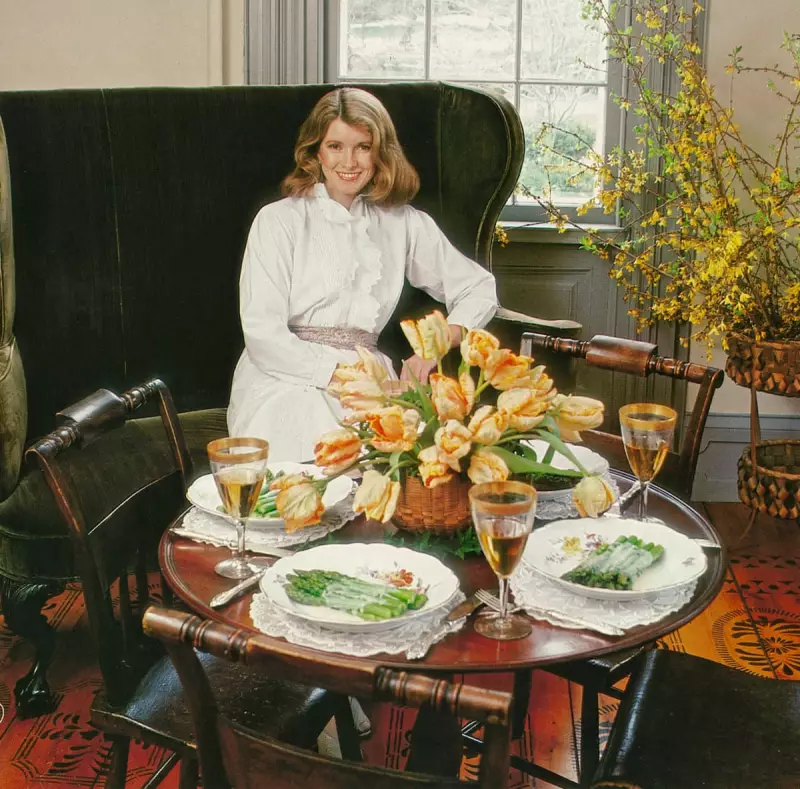
Originally published over four decades ago, the book has just been rereleased, introducing a new generation to its unique blend of practical instruction and sheer, unadulterated whimsy. It captures a pre-media empire Stewart, a caterer in Connecticut whose generational talent for 'nonsense' involved turning a single orchid into an excuse for a twenty-person tropical feast.
The Absurd Genius of 'Entertaining'
Stewart's advice was, and remains, spectacularly over-the-top. The book suggests hiring a balalaika player for a Russian-themed dinner, using a large Bermuda onion as a centrepiece, or borrowing a silver samovar from friends. For those with limited space, she proposed setting up small tables in the bedroom with linen to match the bedsheets.

Her menus featured creations like goblets of borscht and turkey-shaped madeleines, concepts wildly unrealistic for the ordinary cook. While it's easy to dismiss this as the height of out-of-touch, striving hostess culture, the author argues this critique misses the point entirely. It's like chastising the moon for its beautiful light.
Have We Lost the Fun of Hosting?
The piece reflects on how our approach to entertaining has evolved, often becoming a reaction against the perceived excesses of the past. The cocktail party was invented to spend less time with people we don't like. Today, the trend is for casual, breezy gatherings inspired by cooks like Alison Roman, where Le Creuset dishes signal a coy tastefulness instead of silver samovars.
But in our desire to avoid the crimes of the 1980s, have we overcorrected? Have we thrown the starfruit-necklaced piglet out with the bathwater? The article posits that Stewart's work, for all its absurdity, contains a vital truth we have forgotten: entertaining should be fun.
Fun is not the same as ease or casualness. It comes from creating an experience that is different from the everyday. Stewart's advocacy for tempura parties, omelette brunches for sixty, and dinners featuring half a dozen soups is a reminder that great hosting isn't about replicating a restaurant. It's about imagining the whimsical, fantastical feasts no serious establishment would ever dare to attempt.
The rerelease of Entertaining, 43 years after its first publication, arrives in a political climate not so different from the 1980s. It offers a new generation of culinary fantasists permission to embrace the absurd, with instructions like 'Cook remaining 100 lobsters' standing as some of the most spectacular lines ever written in a cookbook. It remains the best, worst influence on cooking anyone could have dreamed.