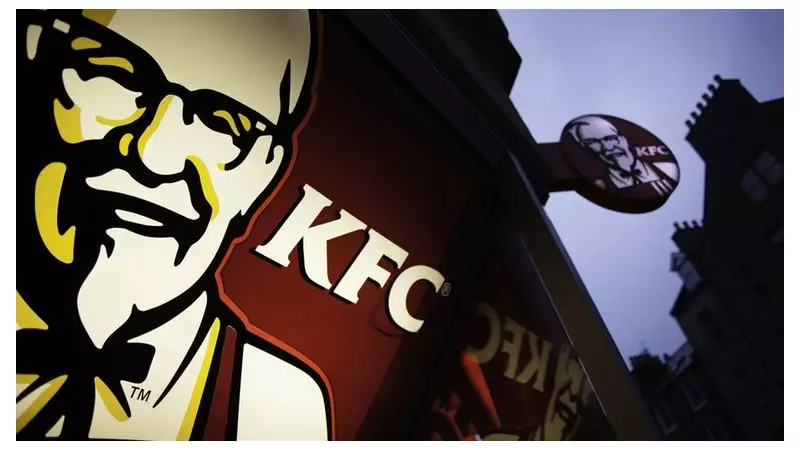
Could KFC's Reign Be Ending? New Competitors Challenge UK Market Leader
The British fried chicken landscape is undergoing a dramatic transformation, with market competition reaching unprecedented levels. This development represents excellent news for culinary enthusiasts and those pursuing protein-rich diets, but it raises significant questions about the future position of what many consider the nation's original fried chicken institution: KFC.
The New Market Landscape
Over the past two years, the fried chicken sector has experienced explosive expansion across the United Kingdom. Well-funded newcomers including Popeyes, Dave's Hot Chicken, and Wingstop have established prominent high street presences nationwide. While KFC maintains its position as the market behemoth with 1,040 UK branches, £280.2 million turnover in 2024, and plans for 500 additional outlets over the coming decade, its 65% market share faces increasing pressure.
Food industry analysts at Meaningful Vision describe this phenomenon as "a significant transformation within UK fast-food, with chicken shops leading rapid expansion that's visible across the country." Their data reveals extraordinary growth patterns, with chicken shop expansion outpacing all other fast-food segments by nearly 12% during 2024. London accounted for 21% of new openings, followed by the West Midlands at 11% and the North West at 12%.

Driving Forces Behind the Boom
Several interconnected factors are fueling this market expansion. Industry insiders identify younger demographics as primary drivers, with Generation Z visiting fried chicken establishments more than twice as frequently as the national average. Changing consumer preferences toward protein-rich options represent another significant element, with Domino's recently expanding into fried chicken through its Chick 'N' Dip brand across 187 UK and Ireland locations.
McDonald's has also acknowledged this trend, with head of menu Thomas O'Neill stating: "Chicken is a huge area of focus for us. Our customers seek more options and excitement, so we'll be expanding our chicken offerings significantly." Beyond dietary preferences, economic considerations play a crucial role. Meaningful Vision CEO Maria Vanifatova notes that chicken's perception as both healthy and affordable resonates strongly with consumers facing financial pressures.
Innovative Marketing Strategies
New market entrants have employed sophisticated marketing approaches to capture audience attention. Dave's Hot Chicken president Jim Bitticks acknowledges social media's fundamental role in their business strategy, with TikTok proving particularly effective for reaching Generation Z consumers. The chain's approach features authentic customer content rather than polished corporate material, creating genuine engagement that translated successfully from Los Angeles to London's Shaftesbury Avenue location.
Celebrity endorsements have similarly propelled certain brands. Popeyes highlights catering for Jay Z and Beyonce's 2008 wedding, while London-based Morley's counts numerous celebrities among its supporters. These associations demonstrate how fried chicken has evolved beyond mere sustenance to become a distinctive sub-culture, reflected in popular social media programming like The Pengest Munch and Chicken Shop Dates.
The Competitive Field Expands
The challenger brands present diverse approaches and ambitious expansion plans. Popeyes, backed by Burger King's parent company and private equity investment, has grown to over 110 UK locations since 2021, adding 50 outlets last year alone with plans to match that growth in 2026. Wingstop, with investors including Vanguard and BlackRock, has reached 86 UK and Ireland locations since 2018, targeting 200 within five years through youth culture engagement including DJ collaborations and fashion brand partnerships.
Additional international competitors include American chain Slim Chickens with approximately 55 branches, Philippines-founded Jollibee with global reach and UK presence, Dave's partnership with Azzurri Group targeting 57 UK outlets, Raising Cane's planned Piccadilly Circus flagship, and Chick-fil-A's five upcoming UK restaurants.

Established British Contenders
While international brands capture headlines, homegrown chains continue their steady expansion. Favorite Chicken & Ribs, founded in 1986 with 80 predominantly London locations, attributes market growth to increased consumer value awareness. Chicken Cottage, with 80 branches across London, Manchester, Cambridge and Canterbury, emphasizes consistency and quality over rapid expansion. Morley's, another London-born chain now exceeding 130 locations including recent Nottingham, Portsmouth and Woking openings, focuses on community integration rather than aggressive scaling.
KFC's Strategic Response
When questioned about competitive threats, KFC points to 9% UK and Ireland branch growth during last year's third quarter. UK and Ireland general manager Rob Swain acknowledges the increased market attention while emphasizing KFC's six-decade market leadership experience. The company's actions suggest strategic adaptation through bold marketing campaigns and new product development including Kwench beverages targeting Generation Z and rice bowl additions responding to market trends.
Future Market Outlook
Industry projections indicate continued growth, with IGD forecasting 8% expansion for group-owned chicken shops by 2027. Retail expert Kate Hardcastle suggests long-term success will require distinctive positioning, noting that "over-clustered high streets will correct, with brands balancing pace and discipline through smart leases, tight economics and consistent quality." Competitive differentiation may emerge through flavor profiles, menu formats, dietary assurances, operational speed, late-night accessibility, and delivery quality maintenance.
The UK's appetite for fried chicken shows no signs of diminishing, creating both challenges and opportunities for established market leaders and ambitious newcomers alike. While KFC maintains significant advantages through scale and brand recognition, the evolving competitive landscape ensures the fried chicken market will remain dynamic and fiercely contested for the foreseeable future.