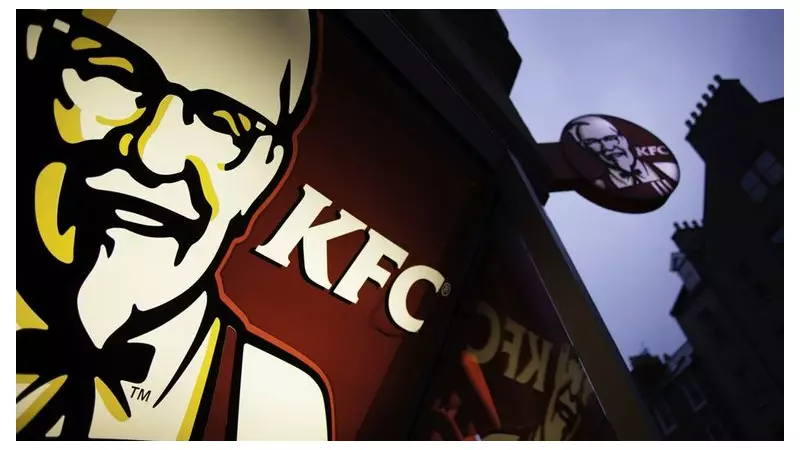
Fried Chicken Market Heats Up as US Competitors Circle KFC
The UK's fried chicken landscape is undergoing a dramatic transformation, with American fast-food chains aggressively expanding their presence across British high streets. While KFC has long been the undisputed market leader, new data reveals a surge in competition that could reshape the sector for years to come.
Market Expansion and Changing Consumer Habits
Industry analysts report extraordinary growth in the chicken shop segment, which outpaced all other fast-food categories by nearly 12% in 2024. London accounted for 21% of new openings, with significant expansion also occurring in the West Midlands and North West regions. This boom is largely driven by younger consumers, with Generation Z visiting fried chicken restaurants more than twice as often as the national average.
Several factors are fueling this expansion. Consumer demand for protein-rich options has created new opportunities, while late-night snacking represents a particularly strong growth area. KFC itself reported 44% sales growth in orders after 11pm, highlighting how changing eating patterns are creating fresh market segments.

The American Invasion Gathers Pace
Multiple US chains are making substantial inroads into the UK market with ambitious expansion plans:
- Popeyes, backed by Burger King's parent company, has grown to over 110 UK locations since 2021 and plans to add approximately 50 new branches in 2026
- Wingstop has expanded to 86 locations across the UK and Ireland since 2018, targeting 200 outlets within five years
- Dave's has opened five UK branches in two years and plans European expansion through a partnership with Azzurri Group
- Raising Cane's is preparing to open a flagship restaurant in London's Piccadilly Circus this year
- Chick-fil-A is in the process of establishing five UK restaurants
These newcomers are employing sophisticated marketing strategies, particularly through social media platforms like TikTok and Instagram. Dave's president Jim Bitticks acknowledged that social media has been fundamental to their business, while Wingstop actively engages with youth culture through collaborations with DJs, sports teams and fashion brands.
KFC's Response to Increased Competition
Despite the growing competition, KFC remains the UK market leader with 1,040 branches, £280.2 million turnover in 2024, and plans to open 500 more shops over the next decade. The company claims 65% market share in the UK, though it trails behind several competitors in the US market.
Rob Swain, KFC's general manager for UK and Ireland, commented: "There's a lot of attention on fried chicken right now - new brands, new formats and big claims. But for KFC the growth in fried chicken isn't a new trend. Over the past 60 years, we've witnessed first-hand Britain falling in love with chicken, and we've been shaping the market every step of the way."
The company is responding to market changes with innovative product launches including Kwench drinks designed to appeal to Gen Z consumers and new rice bowl offerings. Their marketing team has also unleashed bold advertising campaigns featuring zombie film pastiches and folk horror-style content.
Established British Chains Maintain Steady Growth
While American imports capture headlines, homegrown chains continue their expansion across neighbourhood locations. Morley's has grown to over 130 branches with recent openings in Nottingham, Portsmouth and Woking, while maintaining a community-focused approach. Favorite, with 80 stores concentrated in London, attributes market growth to increased consumer value awareness.
Chicken Cottage, operating approximately 80 branches across London, Manchester, Cambridge and Canterbury, emphasizes consistency and quality over rapid expansion. These established British players demonstrate that sustainable growth remains achievable despite the influx of well-funded international competitors.

Future Market Outlook
Industry projections suggest continued growth for group-owned chicken shops, with 8% expansion expected by 2027. Retail expert Kate Hardcastle notes that long-term success will depend on restaurants' ability to differentiate themselves through unique flavours, specialized formats, dietary assurances, and consistent quality.
The fried chicken market's evolution reflects broader changes in consumer behaviour, with protein-focused diets, late-night consumption patterns, and social media influence creating new opportunities for both established players and ambitious newcomers. While KFC's dominant position appears secure for now, the competitive landscape has undoubtedly become more challenging and dynamic than ever before.