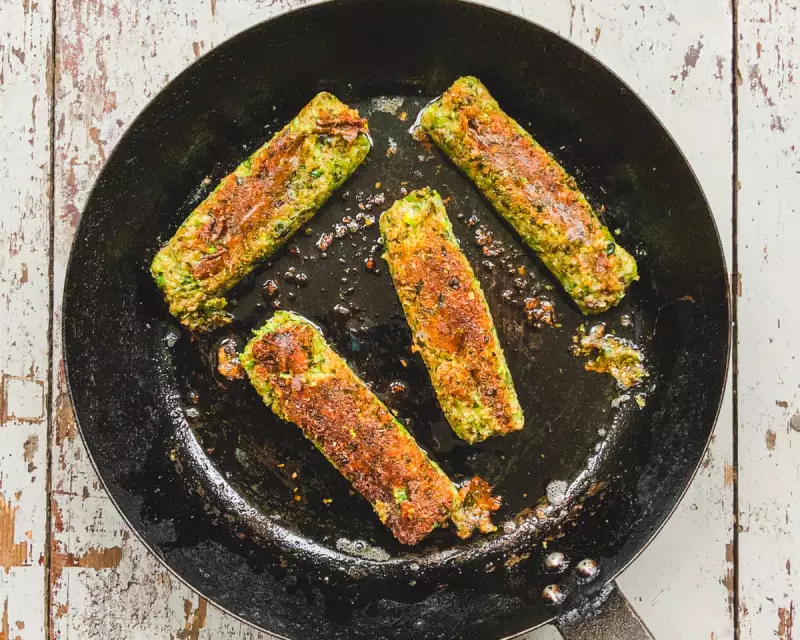
A controversial new law passed by the European Parliament has ignited a fierce debate over the future of food, pitting traditional agricultural interests against the burgeoning plant-based sector. The legislation, which prohibits meat-related terms like 'sausage', 'steak', and 'burger' from being used to describe plant-based alternatives, is seen as a significant victory for the meat lobby.
The Battle Over What's in a Name
The vote, which took place in the European Parliament in December 2024, amends existing EU marketing standards. Proponents, heavily supported by agricultural and meat producer groups, argue that the ban is necessary to prevent consumer confusion. They claim that shoppers might mistakenly believe plant-based products contain meat if they bear familiar names.
However, a broad coalition of environmental organisations, consumer groups, and plant-based food companies fiercely opposes the move. They contend there is no evidence of widespread consumer confusion. Critics point to decades of products like 'veggie burgers' and 'vegetarian sausages' being sold without issue, arguing that the ban is a protectionist measure designed to hamper a competing industry.

"This isn't about clarity; it's about market share," argued one industry analyst. "The traditional meat sector sees the rapid growth of plant-based options and is using regulatory tools to create an unfair disadvantage."
Lobbying Power and Political Manoeuvres
The influence of the meat and farming lobby in Brussels is widely acknowledged as a key driver behind the legislation. Groups representing European farmers and meat processors have campaigned vigorously for such restrictions for years, framing it as a matter of defending cultural heritage and product identity.
The political journey of the amendment saw it initially rejected by the European Parliament's environment committee. In a surprising turn, it was later revived and passed in a full parliamentary vote, a manoeuvre that highlights the intense lobbying pressure applied behind the scenes. This process has raised questions about the transparency of food policy-making in the EU.
Broader Implications for Sustainability and Innovation
The consequences of this naming ban extend far beyond semantics. Environmental advocates warn it directly undermines the EU's own sustainability goals, including the 'Farm to Fork' strategy, which aims to make food systems fairer and more environmentally friendly.
Plant-based foods generally have a significantly lower environmental footprint than their animal-based counterparts, requiring less land, water, and producing fewer greenhouse gases. By making it harder for these products to market themselves with familiar, appetising terms, the law could slow their adoption by consumers.
Furthermore, the ban creates a fragmented market. While the EU moves to restrict these terms, other major markets like the UK and the US continue to allow them, creating additional hurdles and costs for food companies operating internationally. This could stifle innovation and investment in the European plant-based sector.
For consumers, the immediate effect will be a shift on supermarket shelves. Products once labelled as 'vegan sausages' or 'plant-based burgers' may soon appear with new, invented names or descriptive phrases like 'veggie tubes' or 'plant-based discs'. The fear among producers is that these unfamiliar terms will be less appealing, potentially reducing sales.
The final step for the legislation is formal adoption by the EU Council, which is considered a formality. Once enacted, member states will have a period to implement the new rules, marking a new chapter in Europe's ongoing culture war over food.