Edible Roses: The Sustainable Valentine's Day Treat That's Blooming
Valentine's Day, traditionally marked by bouquets of roses that wilt within days, is undergoing a delicious transformation. A growing trend sees edible roses replacing conventional floral gifts, offering a sustainable and tasty alternative that reduces waste and delights the senses. This shift reflects broader consumer interest in eco-friendly practices and unique culinary experiences.
The Rise of Edible Floral Gifts
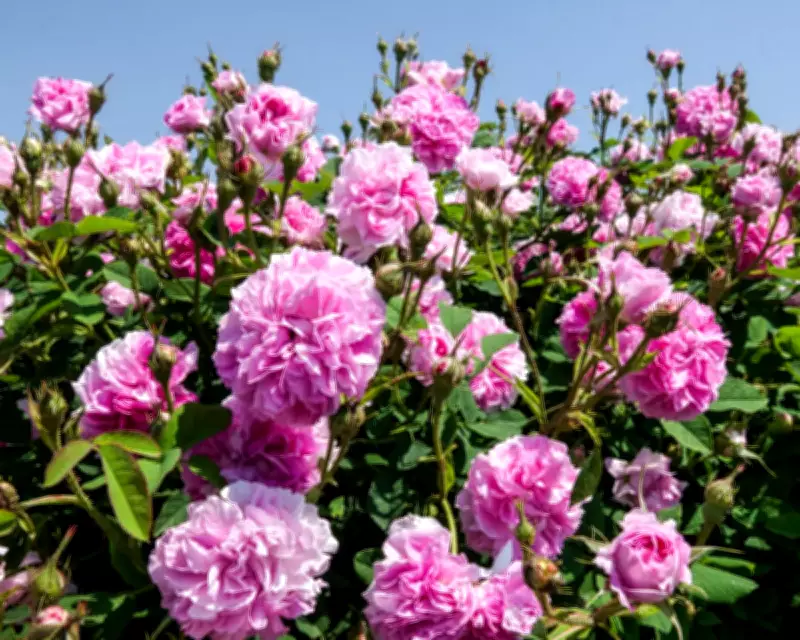
Edible roses, specifically cultivated for consumption, are gaining popularity as Valentine's Day presents. Unlike standard roses, which are often treated with pesticides unsuitable for eating, these varieties are grown organically and certified safe for human consumption. They come in vibrant colors like red, pink, and yellow, and can be used in salads, desserts, or as garnishes, adding a floral note to dishes.
This trend aligns with increasing environmental awareness, as traditional cut roses have a significant carbon footprint due to long-distance transportation and refrigeration. In contrast, locally sourced edible roses support sustainable agriculture and minimize waste, since they can be fully utilized rather than discarded after wilting.

Culinary and Health Benefits
Edible roses are not just visually appealing; they offer nutritional and health advantages. Rich in vitamins C and E, they provide antioxidants that can boost immunity and promote skin health. Their subtle, sweet flavor enhances recipes without overpowering other ingredients, making them versatile in both sweet and savory applications.
Chefs and home cooks are incorporating edible roses into Valentine's Day menus, creating dishes like rose-infused chocolates, floral cocktails, and decorative cakes. This culinary innovation adds a personal touch to celebrations, encouraging shared experiences over meals rather than fleeting floral displays.
Market Growth and Consumer Response
The market for edible flowers, including roses, has expanded by over 20% in recent years, driven by demand for sustainable and experiential gifts. Florists and specialty food retailers now offer edible rose bouquets, often paired with recipe cards or cooking classes to inspire recipients. Social media has amplified this trend, with posts showcasing creative uses of edible roses garnering millions of views.
Consumer feedback highlights appreciation for the practicality and novelty of edible roses. Many report that these gifts foster memorable moments, such as cooking together or trying new recipes, which strengthens emotional connections compared to traditional presents.
Challenges and Considerations
Despite their benefits, edible roses present some challenges. They require careful cultivation to avoid contamination and ensure safety, which can increase costs. Additionally, not all roses are edible; only specific varieties grown without chemicals should be consumed. Experts advise purchasing from reputable sources and verifying certifications to avoid health risks.
Storage is another factor, as edible roses have a shorter shelf life than cut flowers and need refrigeration to maintain freshness. However, this encourages immediate use, reducing the likelihood of waste.
Future Outlook for Sustainable Gifting
The trend toward edible roses is part of a larger movement toward sustainable and experiential gifting. As environmental concerns grow, consumers are seeking alternatives that minimize ecological impact while enhancing personal connections. Edible roses exemplify this shift, combining beauty, utility, and sustainability in a single gift.
Looking ahead, innovations in floral agriculture and culinary arts may further popularize edible flowers, making them a staple for holidays beyond Valentine's Day. This evolution reflects a broader cultural embrace of eco-conscious living and creative expression.