The Sweet Taste of Wisconsin Tradition
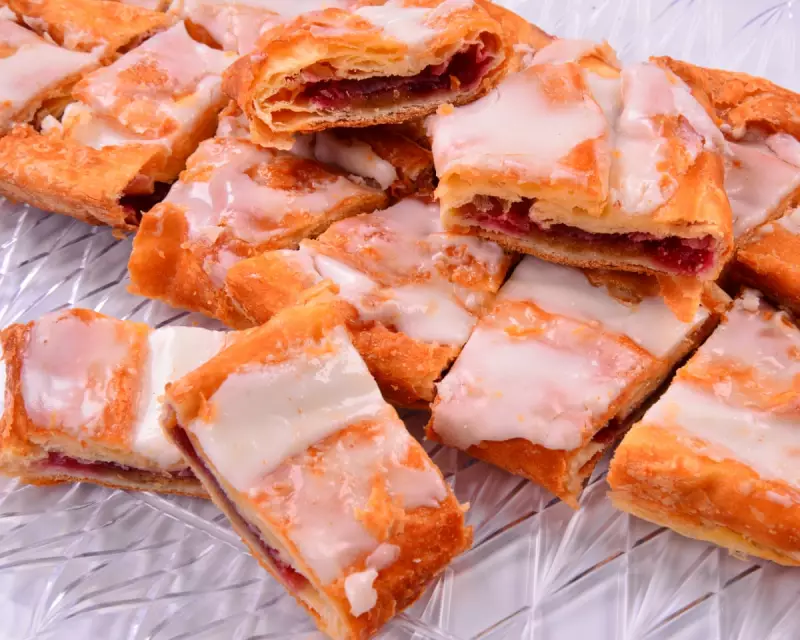
In the heart of Wisconsin lies Racine, a city with a delicious secret that has been delighting locals and visitors alike for generations. The Danish kringle, a flaky pastry ring filled with fruits and nuts, represents more than just a sweet treat—it embodies community, heritage and family traditions.
Originally introduced by Danish immigrants in the late 19th century, kringles have become synonymous with Racine. These pastries consist of a large ring of Viennese-style pastry filled with various ingredients, then iced and served in slices. As food writer Tim Anderson notes, "Even bad kringles are pretty delicious," and first-time tasters often wonder why they've been missing out on this culinary gem their entire lives.
Thanksgiving and the Uncle Connection
While kringles are enjoyed throughout the year, they hold special significance during autumn and Thanksgiving celebrations. Anderson explains that this connection might stem from common autumnal fillings like apple or cranberry, or perhaps from the sense of hygge—the Danish concept of cosy contentment—they provide.

The pastry also carries an unexpected association with uncles. Racine's prominent kringle baker, O&H Danish Bakery, operates a cafe called "Danish Uncle," reinforcing this connection. Anderson describes Thanksgiving as "the most uncle-y American holiday," where families gather with their Steves, Bobs and Mikes to watch football and avoid difficult conversations about politics or feelings.
"Kringles are naturally convivial and conversational," Anderson observes. "Racinians will never eat kringle without debating the merits of various local bakeries." He proudly declares his allegiance to Bendtsen's bakery, highlighting how these pastries facilitate family bonding in their own unique way.
Creating Your Own Cherry Marzipan Kringle
For those inspired to bring this Wisconsin tradition to their own Thanksgiving table, Anderson shares his recipe for cherry marzipan kringle, which serves 8-10 people.
Ingredients:
- 220g lukewarm milk
- 25g caster sugar
- 7g sachet dried yeast
- 1 tsp salt
- 200g strong white bread flour
- 160g plain flour
- 40g plain wholemeal flour
- 200g cold unsalted butter
- 230g marzipan
- 100g sour cherry jam or compote
- Beaten egg for glazing
- Icing sugar for decoration
Method:
Begin by combining the milk, sugar, yeast and salt in a large bowl, whisking to dissolve. Mix the flours separately before adding to the liquid mixture. Stir with a spatula until a dough forms, then knead until even-textured. Cover and prove for one hour.
Create a butter block by arranging cold butter slices into a rectangle on baking paper. Fold the paper over and use a rolling pin to flatten into a solid block approximately 14cm x 32cm. Refrigerate while the dough proves.
After the dough has risen, roll it into a 16cm x 70cm rectangle. Place the butter block in the centre, fold the sides over and press to seal. Fold the dough in thirds like a letter, creating layers of butter, then chill for 30 minutes.
Repeat the rolling and folding process twice more, chilling between each fold. This creates the characteristic flaky layers that make kringles so delightful.
For assembly, slice the marzipan thinly and divide the dough into two rectangles. Roll each to 16cm x 70cm, then spoon cherry jam along the centre. Layer marzipan over the jam, then fold the dough edges over the filling and seal. Shape into rings, tucking one end into the other.
Transfer to baking paper-lined trays, brush with beaten egg and bake at 210C (190C fan)/410F/gas 6½ for 22 minutes until golden brown. After cooling, flatten slightly with another tray before drizzling with icing sugar glaze.
Tim Anderson, author of "Hokkaido: Recipes from the Seas, Fields and Farmlands of Northern Japan" and the 24 Hour Pancake People newsletter, brings this taste of his hometown to kitchens everywhere, proving that some traditions are worth sharing across continents.