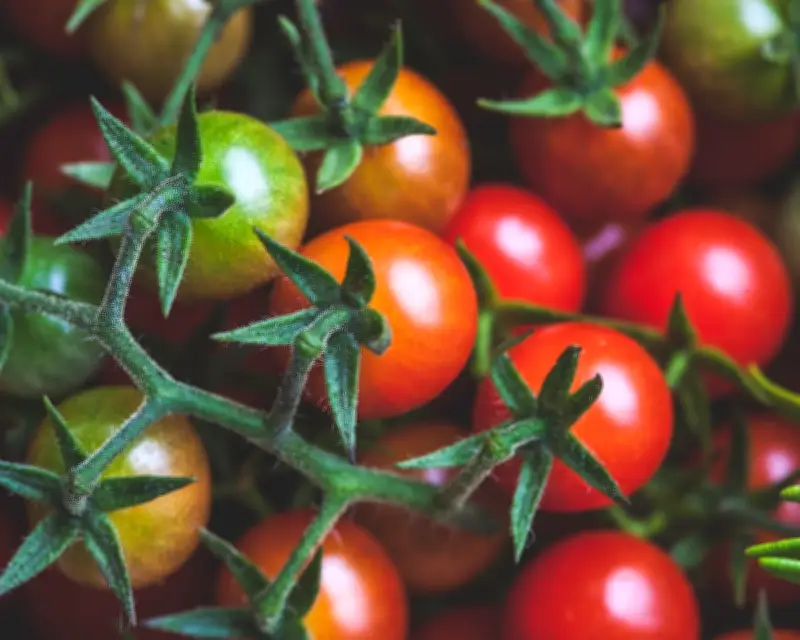
Kelley Swain, a writer and PhD candidate at the University of Tasmania, shares a personal reflection on the lessons learned from volunteer tomatoes and community gardening. Inspired by a video from Hobart gardening legend Hannah Moloney, Swain ventured into her overgrown compost heap in the Huon Valley on the winter solstice and harvested a basket of unripe cherry tomatoes. She notes that these plants grew themselves, self-seeded and determined, unlike anything she intentionally planted.
Language and Ownership in Gardening
Swain emphasizes the subtle nuances of language around ownership and ability. She avoids claiming she grew tomatoes, instead acknowledging that the plants grew themselves. This humility extends to other areas of her life, such as hiring a builder for her tiny house rather than claiming to build it herself. She suggests that focusing on creating conditions for growth, rather than control, is a more realistic and community-oriented approach.
The Value of Small Actions
Swain argues that small, local actions like planting chard or swapping lettuce are not 'prepping' but natural community exchange. She cites the pandemic gardening boom as evidence that people turn to gardening for solace and connection. She contrasts this with industrial-scale problems, such as fertiliser crises and datacentre water consumption, which are unsustainable. Swain believes that community, not just lettuce, is the greatest answer to existential worries.

Personal Choices and Priorities
Swain describes her own lifestyle choices: living with little money, working part-time, and prioritising time with her child over material assets. She values social capital and sees attention as a form of prayer. By turning her attention to her child and her compost tomatoes, she finds a simple, meaningful path forward, even in the face of an uncertain future.
Conclusion
Swain concludes that while she cannot predict the future, focusing on small, caring acts is a wise choice. Her reflection is a testament to the power of community, humility, and the natural world in navigating challenging times.