In an era where beer menus often resemble cryptic puzzles, a quiet revolution is brewing. While hazy IPAs and experimental porters have dominated the craft scene, a growing number of drinkers and brewers are turning back to timeless, uncomplicated classics. This shift represents a significant reappraisal of what makes a great pint, with age-old favourites experiencing a well-deserved renaissance.
The Simplicity Paradox in Modern Brewing
The craft beer movement, once celebrated for its innovation, has arguably become a victim of its own success. What began as a celebration of small-scale, traditional brewing has evolved into an industry where complexity often overshadows drinkability. India Pale Ale, originally a distinctly British export style, has been transformed by American craft brewers into intensely hopped, sometimes challenging brews that can divide opinion.
Even the term "craft beer" has become increasingly nebulous. Originally defined by the Colorado-based Brewers Association as representing "small, independent and traditional" operations, many pioneering craft breweries have since been acquired by multinational corporations. Meanwhile, the American craft sector itself experienced decline last year, even as IPA maintained its market dominance.

A Return to Beer's Social Roots
Adrian Peskin of Woodshedding Brewery in Shepton Mallet, Somerset, embodies this counter-movement. "You can now see these American-style IPAs in every pub around the country," he observes. "So, the craftiest thing you can do now is to turn 180 degrees and go back to where it was before."
Peskin operates from a converted milk barn, focusing on what he calls "simple beers from complex soil" – reviving neglected European styles and championing traditional British brewing. His approach highlights a crucial philosophical shift: "The craft beer movement really shifted the focus on to the beer itself, whereas traditionally, beer was more like a conduit for other stuff – good chat, gathering people together. It was never meant to be as divisive as it's become."
Classic Brews Making a Comeback
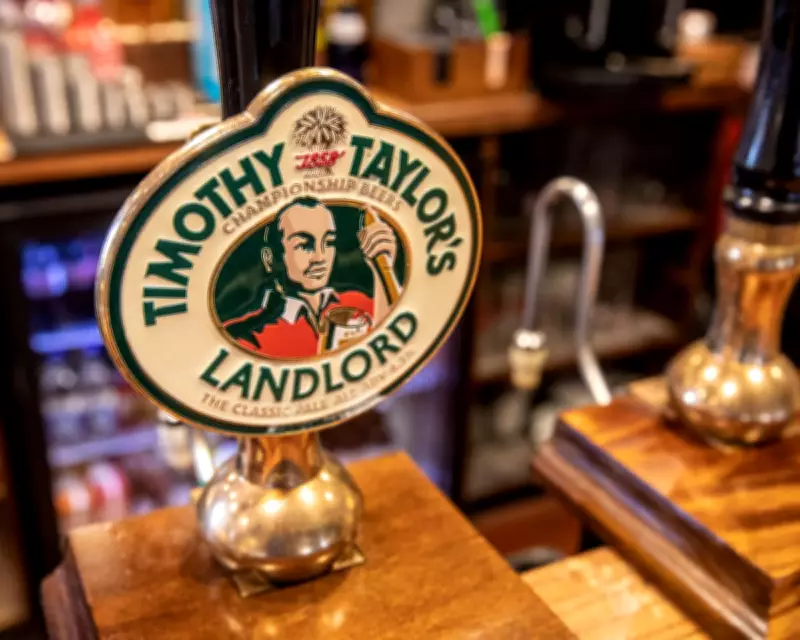
This renewed appreciation extends to established British breweries that have maintained traditional methods for generations. Timothy Taylor's Landlord, multiple winner of Britain's best beer accolades, represents the pinnacle of this approach – a perfectly balanced pale ale that has stood the test of time.
Similarly, Harvey's of East Sussex continues to produce classic ales using time-honoured techniques. These medium-sized regional breweries have quietly preserved brewing traditions that newer operations are now rediscovering.
Changing Drinking Habits
The signs of this shift are increasingly visible in pubs and bars across the country. From the appearance of Beavertown Neck Oil at major venues to Generation Z's embrace of mass-produced Guinness, drinkers are showing renewed interest in accessible, reliable brews.
Many consumers report growing fatigue with overly complex beers, with lager orders increasing and complaints about IPA's effects on digestion becoming more common. This suggests a broader cultural moment where simplicity and tradition are being revalued.
Four Timeless Brews Worth Rediscovering
Ecks Victorian Mild Ale
At 5.7% ABV, this dark, malty strong ale represents a style that nearly disappeared after the war. Remarkably light in taste despite its strength, it makes an excellent companion to traditional British breakfast fare.
Timothy Taylor's Landlord
This 4.1% ABV pale ale remains an undisputed classic, consistently praised as one of Britain's finest beers. Its perfect balance makes it an unbeatable accompaniment to pies and pub meals, and it's always worth ordering when available on draught.
Five Points Best
From Hackney's Five Points Brewery comes this 4.1% ABV bitter that bridges old and new brewing traditions. Made with Kentish fuggle hops, it represents how modern breweries can honour classic styles while maintaining contemporary relevance.
Paulaner Münchner Hell
This 4.9% ABV Bavarian lager exemplifies German brewing precision. Malty yet crisp, it delivers consistent satisfaction with the reliability of established European brewing traditions.

As the craft beer movement matures, this return to classic styles represents more than just changing tastes. It reflects a deeper appreciation for beer's social role, brewing heritage, and the simple pleasure of a well-made pint that brings people together rather than dividing them with complexity.