LA Taqueria Villa's Tacos Steals Spotlight in Bad Bunny's Super Bowl Half-Time Show
In a stunning and culturally resonant moment during the Super Bowl LX half-time show on 8 February 2026, global superstar Bad Bunny delivered a performance that went beyond mere entertainment, weaving a rich tapestry of Puerto Rican heritage and immigrant pride. Amidst sets depicting sugarcane fields, vibrant house parties, and even a wedding ceremony featuring Lady Gaga's salsa rendition of "Die With a Smile," a blink-and-you'll-miss-it cameo from a beloved Los Angeles taqueria captured hearts and headlines alike.
Villa's Tacos: From Front Yard to Primetime
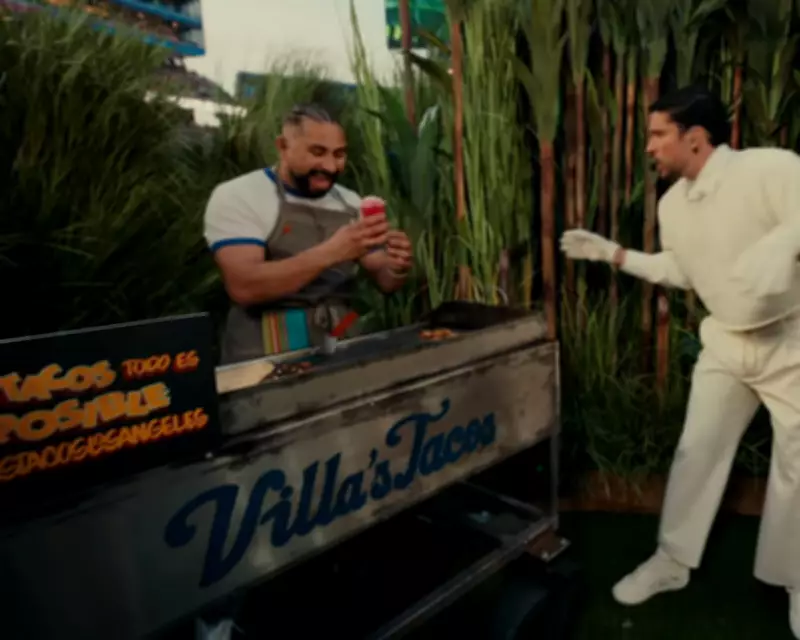
Highland Park-based Villa's Tacos, a family-run taqueria, made its unexpected primetime debut as part of Bad Bunny's 13-minute spectacle. The Grammy-award winning rapper, whose full name is Benito Antonio Martínez Ocasio, incorporated various vendors into his set, including a coco frio stand, a nail technician, and a piragua stand, before culminating at a Villa's Tacos stand. This inclusion was not just a random choice but a heartfelt nod to the immigrant experience that shapes American culture.
Victor Villas, the owner of Villa's Tacos, is a first-generation Mexican-American immigrant who began his culinary journey eight years ago by selling tacos from his grandmother's front yard. Today, the business boasts three locations across Los Angeles, including a notable spot in the historic Grand Central Market. In an emotional Instagram post, Villas expressed profound gratitude to Bad Bunny for "hand selecting me and giving me an opportunity to represent my people, my culture, my family, and my business."

A Celebration of Immigrant Resilience
The significance of this moment was deeply personal for Villas, who reflected on his family's sacrifices. "I couldn't have sold that first taco if my parents didn't make the difficult decision to leave their homeland for a better life and immigrate to the U.S.," he wrote. He dedicated the appearance to all immigrants who have paved the way, highlighting the performance's timing during a period of heightened immigration debates in the U.S.
According to Villas, the collaboration stemmed from Bad Bunny's genuine appreciation for the restaurant. In an interview with a local ABC affiliate, he revealed that the rapper is a fan of Villa's Tacos, loves their offerings, and personally invited the business to join him on the Super Bowl stage. This organic connection underscores the performance's authenticity and its celebration of grassroots success stories.
Political and Cultural Echoes
Los Angeles Mayor Karen Bass also weighed in on social media, applauding the inclusion. "We are a city of immigrants. Seeing @villastacoslosangeles on the Super Bowl stage was a proud moment for our city," she posted on Instagram. This sentiment resonated with Bad Bunny's broader message during the show, where he made history as the first Spanish-language Latin solo artist to headline the Super Bowl.
Throughout his performance, Bad Bunny exalted diversity and multiculturalism, shouting "God bless America" and listing countries and territories across the Americas. As red, white, and blue fireworks illuminated Levi's Stadium, a powerful message filled the screen: "The only thing more powerful than hate is love." This thematic thread tied directly to Villa's Tacos' cameo, reinforcing the idea that immigrant contributions are integral to the American fabric.
Lasting Impact and Community Pride
In a follow-up Instagram post, Villas shared footage of Bad Bunny exiting the stage, thanking his "dear friend Benito" once more. In all capitals, he wrote: "This one was for all the Mexicans. This one was for all the Latinos. This one was for all the immigrants. It's crazy where a taco can take you." This statement encapsulates the emotional weight of the moment, transforming a simple food stand into a symbol of hope and achievement for immigrant communities nationwide.

The surprise appearance of Villa's Tacos in Bad Bunny's Super Bowl half-time show not only delighted loyal patrons but also sparked conversations about representation, cultural pride, and the enduring spirit of immigrant entrepreneurs. As audiences reflect on the performance, it stands as a testament to how art and commerce can intersect to celebrate the diverse stories that define modern America.