A Fan's Lament: Why Final Fantasy 7 Remake Disappoints This Longtime Devotee
As Final Fantasy 7 Remake Intergrade makes its debut on the Nintendo Switch 2, a dedicated fan of the original 1997 classic finds himself grappling with unexpected frustration. Despite eagerly anticipating this release for years, the experience has left him feeling disconnected from a game that once defined his gaming identity.
High Hopes and Initial Excitement
For this player, the original Final Fantasy 7 wasn't just another title—it was the definitive gaming experience of the late 1990s. When the remake finally arrived on a console he owned, he approached the demo with anticipation reminiscent of first booting up The Legend of Zelda: Breath of the Wild. Initially, the magic seemed intact.
The stunning visual overhaul, the nostalgic musical score, and that iconic Midgar fly-over sequence all worked together to create a powerful sense of homecoming. The moment the train rolled into the station, he was transported back to that unforgettable opening, feeling completely immersed in the world he cherished.

The Cracks Begin to Show
However, this initial euphoria quickly gave way to disappointment. First came the character voices—something the original game lacked entirely. After nearly three decades of imagining how these characters sounded, hearing them fully voiced felt jarring and unfamiliar. While not poorly acted, the performances didn't align with his internal interpretations.
Barrett, in particular, seemed different—less of the boisterous, almost parody-like figure he remembered and more of a gruff, serious character. This disconnect highlights how personal our relationships with classic games can become, with players developing their own versions of characters over time.
Visual Fidelity Versus Stylistic Charm
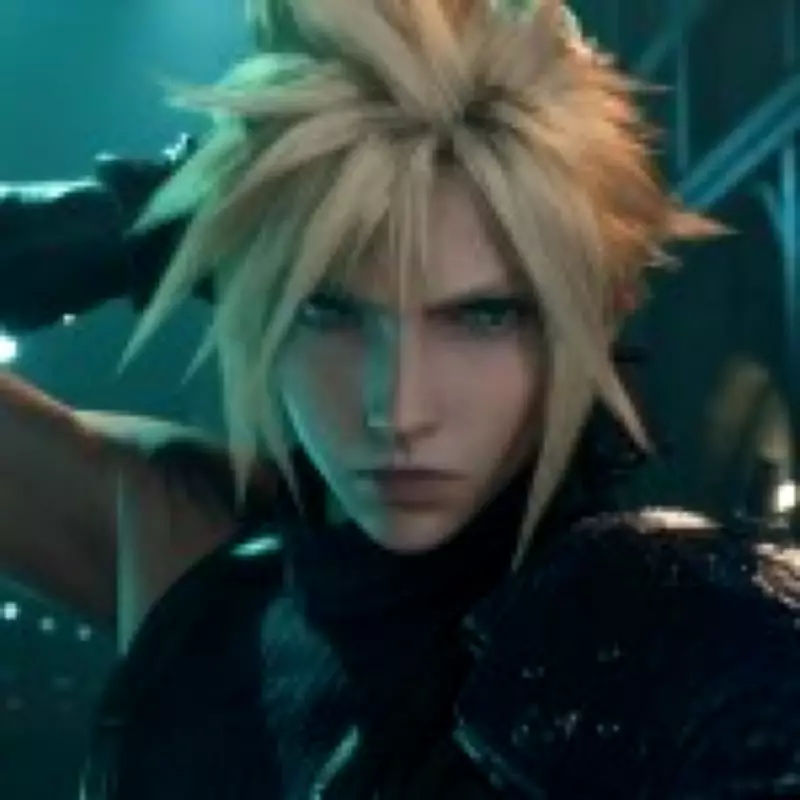
Another surprising issue emerged with the game's incredible graphical presentation. The original Final Fantasy 7 was never about realism—its charm lay in its stylized, abstract, and often bizarre aesthetic. While the hyper-detailed modern visuals are technically impressive, they somehow feel less authentic to the Final Fantasy spirit he remembers.
The remake's commitment to visual realism seems to have come at the cost of that distinctive, quirky atmosphere that made the original so memorable and endearing to its fans.
Combat Confusion and Identity Crisis
The most significant departure comes in the combat system. The shift from turn-based mechanics to a real-time action hybrid has proven overwhelming for this traditionalist. Despite trying the 'Classic' mode designed to ease players in, he found himself struggling to understand the constant flow of commands, numbers, and timing requirements.
Rather than enjoying the atmosphere or appreciating the visuals, he spent most of his time trying to decipher what he was supposed to be doing. This experience raises fundamental questions about what different players seek from the Final Fantasy series and whether modern iterations still cater to those who fell in love with the classic formula.
Who Is This Remake Really For?
This leads to the central dilemma: if this remake doesn't resonate with longtime fans of the original, who is its intended audience? While there's clearly a market for action-focused Japanese role-playing games, the decision to retell this specific story with such significant changes feels puzzling.
Why not create new worlds and characters for this modern gameplay style, allowing Final Fantasy 7 to remain the beloved classic it already is? This question speaks to broader tensions in the gaming industry between honoring legacy and pursuing innovation.
Acceptance and Alternatives
The player acknowledges he's likely in the minority, recognizing that many have embraced Final Fantasy 7 Remake and found joy in its new interpretation. For those who share his preference for traditional turn-based mechanics, he strongly recommends exploring Square Enix's Octopath Traveler series, which demonstrates the company can still excel at classic Japanese role-playing game design.

His final, somewhat anxious thought concerns the possibility of Square Enix remaking his other favorite, Final Fantasy 6. The experience with Final Fantasy 7 Remake has left him apprehensive about what modern reinterpretation might do to another cherished classic.
This personal reflection highlights how video game remakes must navigate the delicate balance between modernization and preservation, between attracting new audiences and honoring existing fans. Sometimes, the games that shape us remain perfect exactly as we remember them.