Step behind the curtain of Wes Anderson's meticulously crafted cinematic universe as the Design Museum in London unveils an extensive archive exhibition dedicated to the detail-obsessed director. This immersive showcase offers visitors an unprecedented look at the quirky artifacts and painstaking craftsmanship that define Anderson's distinctive filmmaking style.
A Treasure Trove of Cinematic Curios
Running from 21 November to 26 July, this expanded version of a show originally devised with Paris's Cinémathèque Française presents over 700 objects excavated from a Kent warehouse. The exhibition follows Anderson's 30-year career from his 1990s debut Bottle Rocket to this year's The Phoenician Scheme, arranged film by film in rooms decorated in varying shades of red by exhibition designer Ab Rogers.
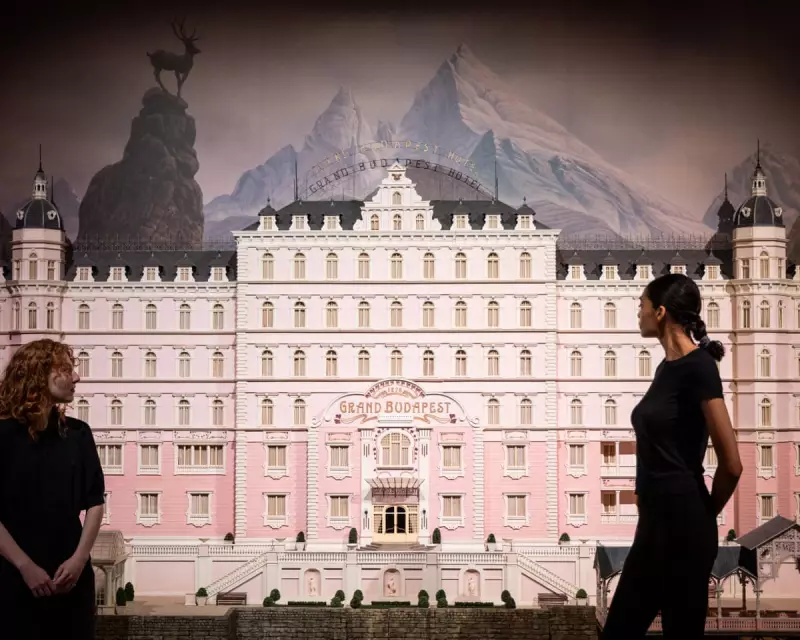
Among the remarkable items on display are the actual pink confection of the Grand Budapest Hotel model, resembling a monstrous marzipan wedding cake, and an intricate scale model of the Darjeeling Express. Visitors can marvel at Tilda Swinton's luxurious red velvet and mink costume from The Grand Budapest Hotel and examine the mutant sea creatures from The Life Aquatic With Steve Zissou.

The Art of Meticulous Detail
The exhibition reveals Anderson's notorious attention to detail, opening with a vitrine of identical spiral-bound notebooks filled with preternaturally neat handwriting outlining ideas for each film. This sets the tone for an exploration of creative finickiness that verges on obsessive.
Stop-motion animation takes centre stage, with dozens of puppets from Fantastic Mr Fox lined up like a vulpine identity parade. The exhibition highlights how this laborious technique requires models to be manipulated between 12 and 24 times for each second of film, with Fantastic Mr Fox alone taking two years to complete.
Particular pains taken include auditioning left-handed children to achieve authentic 1960s handwriting for a five-word note visible for mere seconds in Moonrise Kingdom, and employing the exact type of ink favoured by Japanese yakuza for a tattoo on a puppet character from Isle of Dogs.
Beyond the Quirky Facade
While celebrating Anderson's distinctive visual style and A-list collaborations—including George Clooney-voiced Mr Fox's corduroy suit, replicated for the director himself—the exhibition doesn't shy away from more critical perspectives. It acknowledges what American critic Jonah Weiner described as the clumsy way Anderson stages interactions between white upper-class protagonists and non-white working-class foils, particularly evident in The Darjeeling Limited.
Some visitors might find the insistent "Wesness" overwhelming, like being trapped in a branch of Oliver Bonas crammed with hyper-twee gewgaws. There's also something fundamentally disconcerting about deconstructing the kinetic medium of film into static objects, potentially altering the mystique of Anderson's work.
Nevertheless, Anderson's idiosyncratic, deadpan hipster worldview continues to attract considerable devotion, spawning the extensive fan website Accidentally Wes Anderson where devotees submit Andersonesque tableaux of kooky buildings and landscapes. For Wesophiles and curious newcomers alike, this exhibition offers a deep dive into one of contemporary cinema's most distinctive creative visions.