Who's Afraid of Virginia Woolf? at 60: Elizabeth Taylor's Feral Energy Endures
Mike Nichols' 1966 adaptation of Edward Albee's septic drama, Who's Afraid of Virginia Woolf?, is celebrating its 60th anniversary, cementing its place in the cultural zeitgeist for over six decades. This film, a sizzling directorial debut, remains a powerful portrait of toxic marriages and relationship breakdowns, offering gut-busting drama that resonates as strongly today as it did upon release.
A Masterclass in Screen Acting
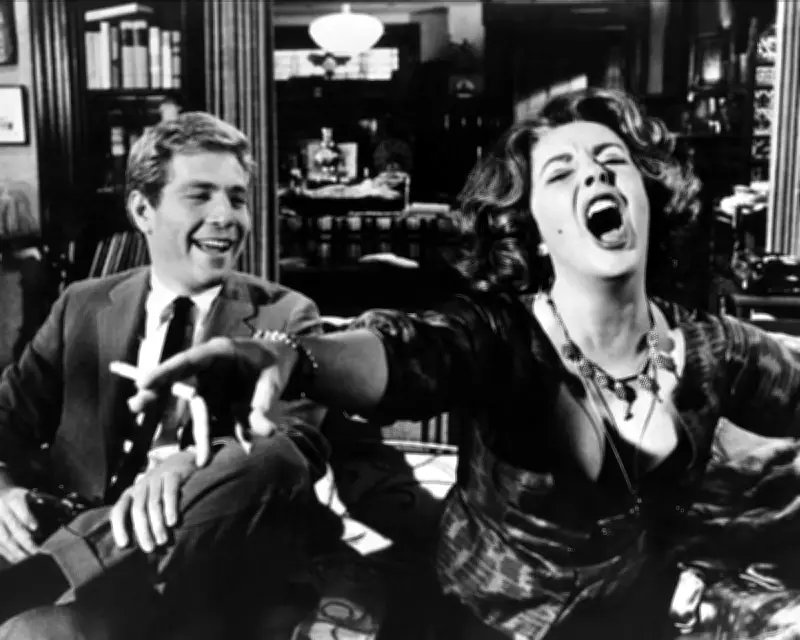
The film was nominated for every eligible Academy Award and won five, including best actress for Elizabeth Taylor, who delivers a searing performance as Martha—a character equal parts ferocious and vulnerable. Her brilliantly executed role crackles with emotional electricity, showcasing a feral energy that has lost none of its charge. Richard Burton, playing her husband George, matches Taylor's intensity, creating a masterclass in screen acting that is both astonishing and, at times, unpleasant to witness.
The Drama Unfolds
Set over one long, booze and bile-filled evening, the story follows Martha and George as they engage in a volcanic dynamic, starting with testy sniping and escalating into nastiness. For instance, their pillow talk includes insults like Martha telling George, "you're going bald," and him retorting, "so are you"—not in a gentle ribbing way. When she claims she can drink him under the table, he shoots back, "There isn't an abomination award going that you haven't won."

Misery Loves Company
Their misery intensifies when joined by a younger married couple, Nick (George Segal) and Honey (Sandy Dennis). Martha and George, living testaments to the saying "misery likes company," are not content to stew alone; they seek to share their pain and bring others down with them. This interaction highlights their emotional seclusion and the protective fictions they maintain.
The Fictional Son Twist
One of the film's most famous elements is the fictional son shared between Martha and George, a presence that hangs over everything despite never being seen or named. Early on, Martha mentions his 16th birthday to Honey, upsetting George and revealing a special pact. Deep into the runtime, it's revealed this son is a fiction—a protective shield against loneliness. This twist invites multiple readings, with critics like Michael Billington describing it as part of "the stock American theme of truth and illusion," though the film's immediacy often pushes interpretations toward its marital slugfest rather than broader societal commentaries.
Nichols' Directorial Approach
Mike Nichols' direction gets right up in the characters' faces, using a camera that moves slowly, sharply, or swings madly about, always tuned closely to the performers. This staging creates an uncomfortably intimate experience, making viewers feel they can almost smell the rancidness of the characters' breath. The film format's immediacy, compared to stage productions, amplifies this visceral impact, ensuring the drama remains raw and compelling.
As Who's Afraid of Virginia Woolf? reaches its 60th anniversary, Elizabeth Taylor's performance continues to crackle with feral energy, solidifying the film's status as a timeless exploration of human relationships and emotional turmoil.