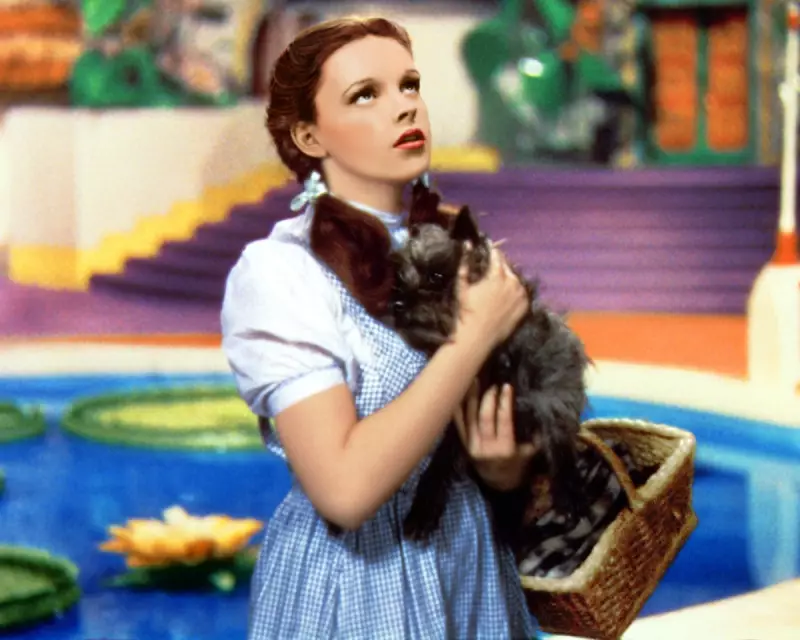
In an era where streaming services often neglect films released before the 1990s, one cinematic masterpiece from 1939 continues to defy the odds and capture the world's imagination. The Wizard of Oz, starring the iconic Judy Garland, remains a pop culture phenomenon, proving its timeless appeal as it approaches its centenary.
From Silver Screen to Immersive Experience
The classic film's resurgence is particularly evident at Las Vegas's Sphere, where an adapted version has become a spectacular success. The production has been shortened to 75 minutes and enhanced with AI technology to fill the venue's massive digital screen. Despite some controversy surrounding these changes, the attraction is generating approximately $2 million daily, potentially rivalling blockbuster films from 2025 if it maintains this momentum.
This immersive experience demonstrates the film's extraordinary staying power, especially when compared to other 1939 releases like Gone with the Wind, which hasn't maintained the same level of contemporary relevance.

Wicked and the Expanding Oz Universe
The latest chapter in the Oz legacy comes with Wicked: For Good, the film adaptation of the second act of the Broadway musical that reimagines the story from the Wicked Witch of the West's perspective. Featuring Cynthia Erivo and Ariana Grande, this production more explicitly connects to the original 1939 film than its literary source material.
With the success of this 'sorta-sequel' assured, discussions about extending this version of Oz into a third instalment are already underway. The franchise's expansion continues with numerous other projects, including a national tour of The Wiz following its Broadway revival and a modern-day YA TV series called Dorothy in development at Amazon.
The Secret to Enduring Relevance
What explains this nearly century-old film's persistent appeal? Much credit goes to its groundbreaking visual craftsmanship, particularly the unforgettable transition from sepia-toned Kansas to the vibrant Technicolor world of Oz. However, technical achievement alone doesn't account for its longevity.
The film's allegorical power resonates across generations. Dorothy's journey from repressive Kansas to a magical kingdom speaks to audiences seeking escape while ultimately reassuring them about the value of home. This dual appeal allows diverse viewers – from marginalised communities to more conservative audiences – to find validation in the same story.
This emotional grounding continues in adaptations like Wicked, which explores themes of prejudice and ostracisation as Elphaba faces discrimination from the duplicitous Wizard. Similarly, The Wiz's all-Black cast underscores the story's resonance with marginalised groups.
Notably, projects focusing on the story's female characters tend to have greater impact than those centred on the Wizard himself. The emotional connection to Dorothy and her companions appears more compelling than the wilder fantastical elements of Baum's expanded literary universe.
As The Wizard of Oz continues to inspire new interpretations nearly 85 years after its release, it remains that rare fantasy franchise that doesn't demand complete immersion in its world. Instead, it masterfully balances between bizarre fantasy and heartfelt reality, ensuring its place in the cultural firmament for generations to come.