The Bride! Review: A Dazzling Yet Disjointed Monster Mash-Up
Maggie Gyllenhaal's highly anticipated follow-up to her 2021 debut The Lost Daughter arrives with bold ambitions and theatrical flair, but ultimately feels like a monster mash-up of competing ideas that never fully cohere into the revolutionary film experience it promises.
A Bold Departure With Mixed Results
Gyllenhaal has taken a dramatically different direction with The Bride!, creating a film that's intensely theatrical, visually detailed, and unapologetically bombastic. While there's much to admire in its audacity, the film's jarring style and narrative lurches may alienate some viewers despite its undeniable ambition.
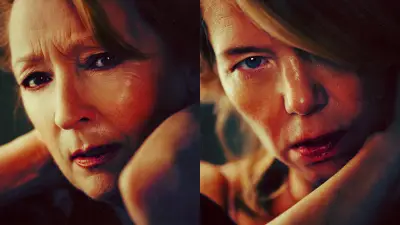
The story centers on Mary Shelley's creations with obvious affection, featuring Jessie Buckley in dual roles as both the author and her famous creation. Buckley follows in the footsteps of Elsa Lanchester's 1935 performance in Bride of Frankenstein, but this modern interpretation gives the character a voice that loudly declares "here comes the mother****ing bride!"—a line that perfectly encapsulates the film's provocative tone.

Muddled Personalities and Narrative Struggles
The Bride's identity becomes complicated when Mary Shelley inexplicably possesses 1930s goodtime girl Ida during a night out, shortly before Ida's accidental death. Later, Ida's body is resurrected from a pauper's grave by Frankenstein (Christian Bale) and reanimation expert Dr. Cornelia Euphronius (Annette Bening) to serve as the monster's companion.
Dr. Euphronius is convinced by Frankenstein's profound loneliness to proceed with the experiment, despite her reservations. The monster himself—while not particularly hideous in appearance—emits a horrendous odor and displays unmistakable sexual desire. When the Bride awakens with disappointingly little ceremony, she suffers from memory loss while being periodically possessed by Mary Shelley, whose presence manifests through attacks of historical Received Pronunciation and vocabulary far beyond earthy Ida's capabilities.
Performances That Ring Hollow
Despite the considerable talents involved, the performances often feel surprisingly shallow. Buckley, currently an Oscar frontrunner for Hamnet, delivers a flashier, shoutier turn here that ultimately makes less impact than her more nuanced work. Bale's Frankenstein comes across as somewhat pathetic and difficult to root for—a stark contrast to Jacob Elordi's tortured portrayal in Guillermo del Toro's recent adaptation.
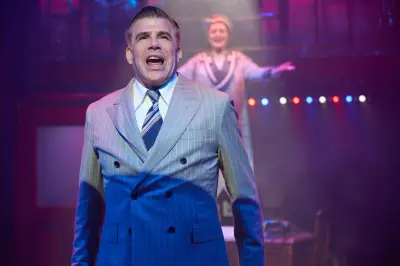
The responsibility for these characterization issues lies primarily with Gyllenhaal's direction and Steven Knight's script, which appears to prioritize style over substance. Frankenstein gains some humanity through his obsessive parasocial relationship with musical movie star Ronnie Reed (played by Jake Gyllenhaal), heavily inspired by Fred Astaire. These Hollywood homage scenes, including a frenetic dance number to Puttin' on the Ritz, rank among the film's strongest moments.
Visual Feast With Narrative Shortcomings
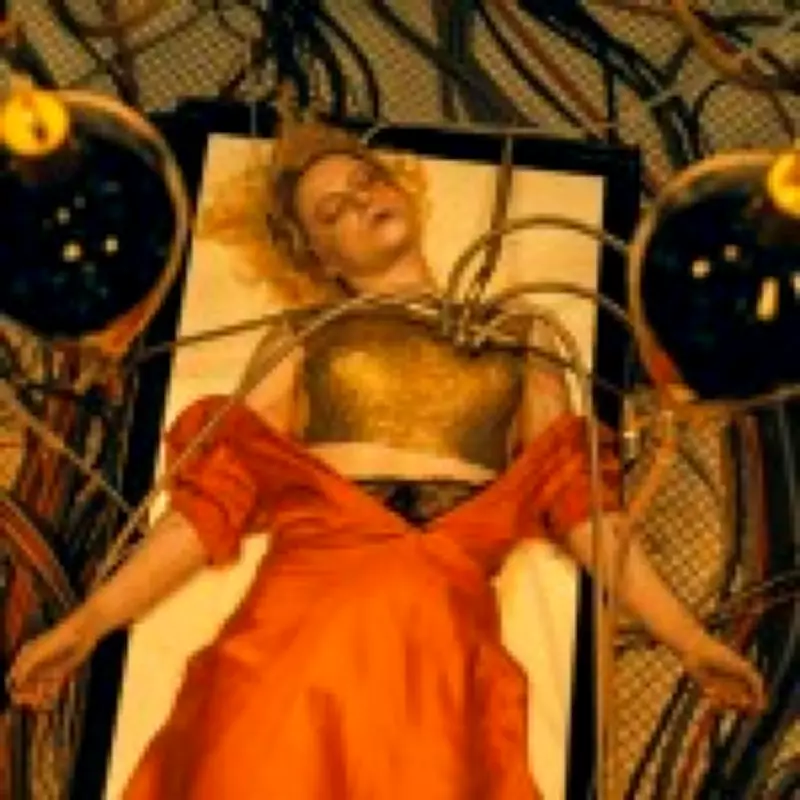
Where The Bride! truly excels is in its visual presentation. Sandy Powell's costumes, Nadia Stacey's makeup design, and Karen Murphy's production design create a deliciously glam-goth vintage feast for the eyes. The film's technical achievements are undeniable, creating a world that's both haunting and beautiful.
However, the narrative struggles to cohere around multiple plot strands, including Peter Sarsgaard and Penélope Cruz's detective duo tracking the monsters as bodies accumulate. The script frequently reminds us that "lady detectives" weren't accepted in this era—one of many thematic points the film pushes at the expense of narrative flow.
Thematic Ambitions and Execution
The Bride! makes clear points about the hostile world women navigate, where sexual violence threats loom constantly and most men prove untrustworthy—unless they happen to be living-dead monsters. While the film's feminist perspective is welcome, the execution sometimes feels heavy-handed, with Gyllenhaal's script leaning too heavily into chaos and rule-breaking for its own sake.

The recurring refrain of female characters declaring "I would prefer not to" lands with less impact than intended due to the film's narrative indiscipline. A more focused approach might have allowed these thematic elements to resonate more powerfully.
Final Verdict: Celebration With Reservations
Despite its dramatic flaws and occasional cheesiness, The Bride! deserves celebration for its existence. Warner Bros. took a significant risk on this ambitious project, and there are genuine elements to appreciate—particularly Gyllenhaal's audacity as a filmmaker and the extraordinary visual craftsmanship on display.
The film serves as a testament to the continued space for bold swings in major studio productions, even when those swings don't completely connect. While it may not achieve the emotional resonance or narrative cohesion of its aspirations, The Bride! remains a fascinating, visually stunning experiment that challenges conventional storytelling approaches.
The Bride! dazzles the eyes but struggles to capture the heart, resulting in a Frankenstein's monster of a film that's more impressive in its parts than its whole. For all its ambition and visual splendor, the emotional connection remains elusive in this ambitious but uneven cinematic experiment.