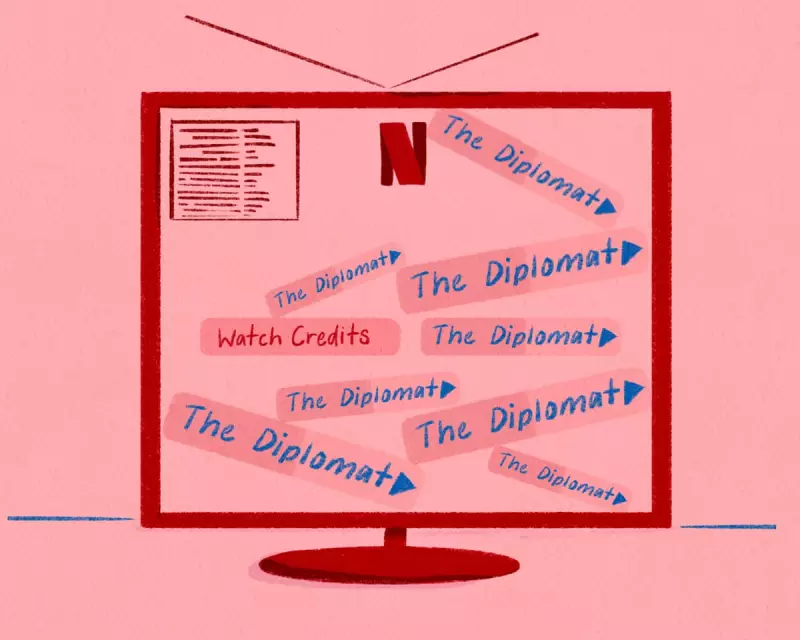
In an era where streaming services dominate our entertainment consumption, a growing chorus of UK viewers is protesting against what they see as digital disrespect for human emotion. The culprit? Aggressive autoplay features that interrupt poignant moments mere seconds after credits roll.
The Ten-Second Emotional Window
One journalist's experience highlights the extent of the problem. After watching deeply moving content like Adolescence or Schindler's List, Netflix allows precisely ten seconds for reflection before aggressively promoting The Diplomat. This pattern repeats regardless of what viewers have just experienced, treating all emotional journeys as equally disposable.
The issue becomes particularly jarring with serious content. At the conclusion of Schindler's List, which displays a memorial message honouring the six million murdered Jews, Binge gives viewers only four seconds before suggesting NCIS. Steven Spielberg's name hadn't even appeared in the credits when the interruption occurred.

Platform Inconsistencies Reveal Algorithmic Priorities
Streaming services demonstrate puzzling inconsistencies in their autoplay behaviour. Netflix granted a full two minutes of credit time for The Godfather Part II before, inevitably, suggesting The Diplomat. Meanwhile, the platform never interrupts credits for the 2015 animated film Minions, perhaps because entertaining bloopers keep viewers engaged during the scrolling names.
The problem extends beyond Netflix. Amazon Prime interrupted the credit sequence of Barbarian to promote The Meg, while Binge gave Jurassic Park viewers just ten seconds before threatening to start Below Deck. This uniform approach suggests streaming platforms prioritise continuous content consumption over meaningful viewing experiences.
The Human Cost of Automated Viewing
While autoplay can be convenient for binge-watching lightweight series like The Simpsons, it becomes deeply intrusive when applied to emotionally significant content. The fundamental complaint isn't about the feature's existence but its inappropriate application and timing.
Research confirms why platforms resist changing this approach: viewers who disable autoplay spend less time on streaming services. This reveals the commercial motivation behind what many experience as emotional disrespect.
The broader concern touches on what critics call the 'enshittification' of digital experiences - where user experience gradually deteriorates in favour of corporate profit. As one viewer articulated, "I want our capacity for feeling to be respected rather than treated as an annoying interruption by giant tech companies who profit from our attention."
Though most streaming services offer options to disable autoplay, the default settings favour corporate interests over viewer wellbeing. The ten-second countdown to the next trailer represents more than just an annoyance - it symbolises how technology increasingly dictates the pace and depth of our emotional lives.