After eight transformative years, Netflix's beloved makeover series Queer Eye is bidding farewell with its tenth and final season. The show, which premiered in 2018 as a reimagined version of the early 2000s hit Queer Eye for the Straight Guy, defied initial scepticism to become a global phenomenon of comfort television.
A Reboot That Redefined Representation
When Netflix announced the revival, many critics viewed it as a nostalgic relic from an era when queer representation on screen was limited to unthreatening stereotypes. However, the new Queer Eye underwent a significant makeover of its own, dropping the "for the Straight Guy" suffix and expanding its focus beyond just straight male participants. This shift propelled the series into a more emotionally literate and sensitive era, where the goal was not to shame but to uplift.
The Fab Five's Last Hurrah
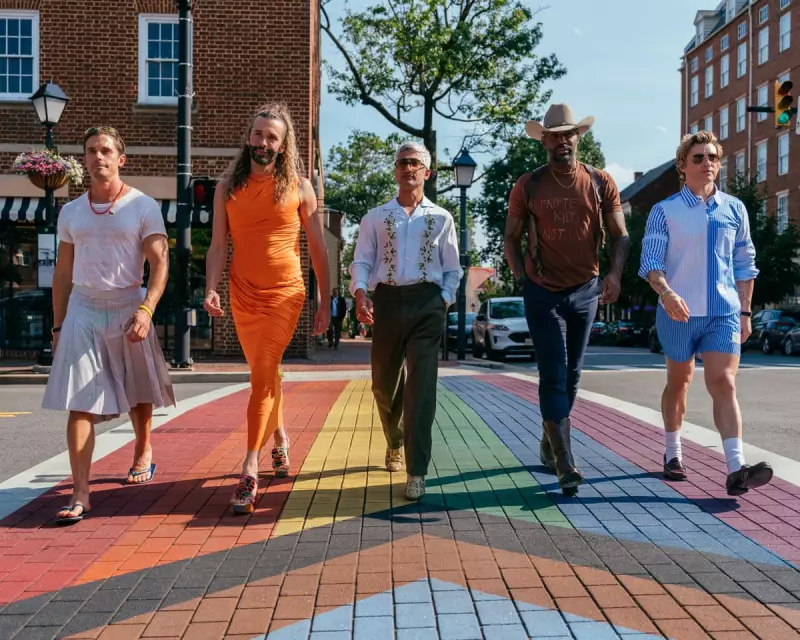
The heart of the show has always been its five charismatic experts, each bringing their unique talents to help ordinary people rediscover their worth. Jonathan Van Ness, the hair and grooming guru, initially known for his comedic Game of Thrones reactions, became a household name alongside his co-stars. Karamo Brown focused on emotional wellbeing, often engaging in deep conversations during car rides, while Tan France revolutionised fashion with his signature tucking advice.

Antoni Porowski, the food and wine expert, charmed audiences with his avocado recipes and love for The National T-shirts, and Bobby Berk, later replaced by Jeremiah Brent, transformed interiors into personal sanctuaries. Despite internet speculation about behind-the-scenes dynamics, the show maintained its core mission: using high-wattage enthusiasm, softness, and compassion to change lives.
Moments That Touched Hearts
Queer Eye excelled in creating pure comfort television, with episodes that resonated deeply with viewers. The series opener featured Tom Jackson, a Georgia man in his late 50s, who reconciled with his ex-wife after a gentle glow-up; he remained a fan favourite until his passing in 2023. In season three, the Jones sisters from Kansas City turned their barbecue sauce into a business, with Mary overcoming lifelong insecurities through dental treatment.
One of the most powerful episodes, "Black Girl Magic," followed Jess, a young lesbian rejected by her family, as she embraced her identity. More recently, a standout story involved Nicole, a 53-year-old woman left by her controlling husband after 30 years; the episode culminated in a belated but beautiful 50th birthday celebration, symbolising hope and renewal.
The Legacy of Optimism
The series offered participants—and viewers—a temporary shot at a more comfortable life, through stylish makeovers, nutritious meals, and emotional support. Each episode reinforced the message that kindness and hard work could lead to unexpected rewards, even in tough times. Its appeal often lay in its ability to evoke cathartic tears, providing a near-guaranteed emotional release through heartwarming deeds.
An Era Coming to a Close
While Queer Eye far surpassed its predecessor by embracing cultural shifts around identity and mental health, its relentless positivity now feels at odds with a changing world. As it concludes, the show stands as a fairytale fantasy of a value system that seems to be slipping away. Yet, for its final season, it remains a celebration—one last escapist, feelgood hurrah that reminds us of the power of compassion and community.
Queer Eye's tenth season is currently streaming on Netflix, marking the end of an era for the Fab Five and their legions of fans worldwide.