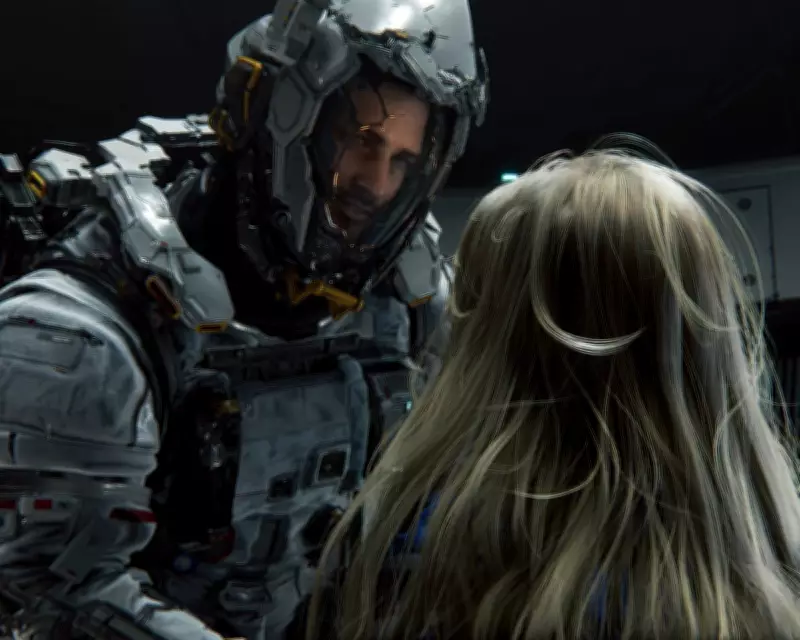
Pragmata Review: A Soulful Sci-Fi Saga Blending Action with Emotional Depth
When Pragmata was first unveiled alongside the PlayStation 5 in 2020, its glossy trailer promised sleek sci-fi action set against the vast backdrop of outer space. While the game absolutely delivers those futuristic thrills in abundance, what emerges as its most compelling aspect is an unexpectedly tender narrative about paternal love. This represents Capcom's surprisingly soulful and somewhat belated entry into gaming's burgeoning sad dad genre.
A Lunar Mystery Unfolds
In this near-future science fiction setting, the powerful corporation Delphi has established an advanced research station on the lunar surface. Their mission involves experimenting with cutting-edge 3D printing technology, utilizing a revolutionary material called Lunafilament to effortlessly recreate everything from simple tools to entire structures. As often happens in such narratives, circumstances rapidly deteriorate. When the station suddenly goes completely dark, engineer Hugh is dispatched from Earth to investigate the mysterious malfunction.
From the very beginning, Pragmata establishes an engrossingly mournful and melancholic atmosphere. Players navigate through glistening corridors that lead to eerily abandoned laboratories. Half-printed creations stand motionless, with threads of filament protruding uselessly from their incomplete frames, while holograms display recorded conversations from increasingly anxious researchers. Hugh soon discovers the grim fate that befell the human workers, but fortunately he does not have to face the dangers alone.

An Unlikely Partnership Forms
When attacked by malfunctioning security droids, Hugh is rescued by a Pragmata unit – a sophisticated 3D-printed android companion designed to resemble a six-year-old girl. This particular design choice becomes profoundly significant as the story progresses. Hugh names his new pint-sized companion Diana, and she proves remarkably capable at fending off murderous mechs by directly hacking into their systems.
With Diana perched on your shoulders, a simple tap of the left trigger initiates her real-time breach of advancing enemies' code, exposing their vulnerable weak spots. As you simultaneously navigate a hacking mini-game in one corner of the screen while frantically blasting robotic adversaries, the gameplay evokes memories of the under-appreciated Nintendo DS multi-tasking RPG The World Ends With You. While the initial combat may seem straightforward with limited weaponry and hacking options, the experience evolves into a layered test of reflexes and strategy as you discover new hacking modifications, unlock advanced weapons, and enhance your suit's Iron Man-esque thrusters.
Warmth Beneath the Metallic Sheen
Beneath Pragmata's polished sci-fi exterior lies a surprisingly warm emotional core. As you explore danger-filled corridors, Hugh and Diana's pseudo father-daughter relationship gradually blossoms. What could have easily descended into forced sentimentalism instead develops organically around characters that players genuinely come to care about. Each new line of dialogue between them elicits genuine emotional responses.
Players gradually uncover the horrifying events that transpired within this eerily abandoned lunar colony. Fortunately, the game provides respite from both combat and the underlying mystery through an underground shelter. This upgradeable hideout bears some resemblance to Death Stranding's mechanics, allowing you to unlock suit and weapon enhancements, undergo training simulations, and deepen your bond with Diana.
Building Bonds in Unexpected Ways
Following each meaningful conversation, Diana feels inspired to pick up crayons and create tender drawings depicting the two of you together. With limited knowledge of humanity, Diana learns about Earth through Hugh's stories, expressing genuine excitement with each new discovery about human nature. You can even engage in playful activities like hide and seek with her, and eventually install a 3D-printed playground within the shelter.

Thanks to the base's print-obsessed scientists, Pragmata offers pleasing visual variety, quickly transitioning players from sterile white corridors to tropical jungles, sandy beaches, and even the lunar surface where you can float freely unshackled by gravity. The game's lore is equally well-realized. While wandering through an eerily half-printed recreation of New York City, I discovered emails from Delphi employees expressing profound boredom because robots had assumed every aspect of their professional responsibilities.
A Climactic Conclusion
Although a mid-game lull briefly reduces the action to a somewhat directionless shooting gallery, a series of late-game upgrades and some genuinely eyebrow-raising story revelations ensure that Pragmata concludes on a giddy high note. The experience is held together by stunning art direction from Cho Yonghee, the talented artist behind the hauntingly brilliant Nier Automata. While I expected impressive visuals on a powerful PS5 Pro, I was genuinely surprised to see Pragmata run remarkably well on Nintendo's tablet-sized Switch 2 console.
A Throwback with Modern Sensibilities
Despite its sparkling near-future setting, Pragmata succeeds largely because it feels like a thoughtful throwback to gaming's recent past. This beautifully crafted, heartfelt single-player adventure introduces novel combat mechanics while prioritizing storytelling and atmospheric immersion. Where many attempts at heartwarming games often come across as off-puttingly saccharine, Pragmata executes its father-daughter relationship with surprising deftness and emotional authenticity.
Pragmata launches on April 17 with a price point of £49.99, offering players a unique blend of sci-fi action and emotional storytelling that stands out in today's gaming landscape.