An Unlikely Cultural Leader Emerges from the Vatican
In a surprising turn of events, Pope Leo XIV has positioned himself as a significant voice in global cultural conversations, particularly regarding the role of art in our increasingly digital world. The American-born pontiff, whose election initially raised eyebrows and concerns about potential political leanings, has instead revealed himself as a thoughtful advocate for creative expression and artistic integrity.
Historic Gathering of Film Industry Titans
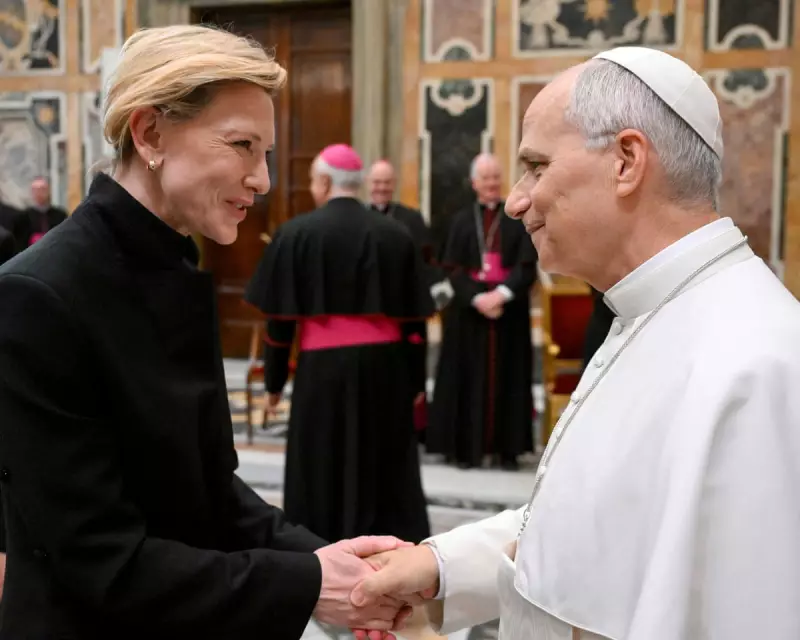
On 15 November 2025, the Vatican hosted an extraordinary audience that brought together some of the most influential figures in contemporary cinema. The gathering included acclaimed actors and directors such as Cate Blanchett, Spike Lee, Darren Aronofsky, and Greta Gerwig, marking a significant moment in the relationship between the Holy See and the entertainment industry.
During his address to these cinematic leaders, Pope Leo XIV articulated a profound vision for film's purpose in modern society. He described how cinema has evolved into "an expression of the desire to contemplate and understand life, to recount its greatness and fragility and to portray the longing for infinity". His words resonated deeply with an industry currently grappling with the challenges posed by artificial intelligence and algorithmic content creation.

Beauty as an Antidote to Algorithmic Culture
The pontiff's critique of contemporary digital trends struck a particularly relevant chord. He explicitly contrasted the creative potential of genuine art with the limitations of algorithm-driven content, stating: "The logic of algorithms tends to repeat what 'works', but art opens up what is possible. Not everything has to be immediate or predictable."
This perspective arrives at a crucial moment for the creative industries. As major platforms like Disney+ announce plans to stream user-generated AI content, and political leaders worldwide push for aggressive AI innovation, Pope Leo's defence of human creativity offers a compelling counter-narrative. His earlier comments in his first post-election interview reinforced this stance: "It's going to be very difficult to discover the presence of God in AI," he remarked, essentially challenging the artistic value of algorithmically generated content.
A New Chapter in Vatican-Hollywood Relations
The pope's cultural engagement signals a potential transformation in the relationship between the Catholic Church and popular culture. Where previous works like The Da Vinci Code, the Twilight series, and Madonna's Like A Prayer drew condemnation from Church authorities, Pope Leo appears to favour a more collaborative approach. His personal viewing of the papal thriller Conclave before his own election, despite its depiction of corrupt cardinals, suggests a more open-minded attitude toward artistic interpretations of Church life.
This cultural moment extends beyond cinema. The Catalan pop singer Rosalía has recently released her critically acclaimed album Lux, which explores Catholic spirituality through tracks mapping the lives of female saints. Her work, particularly the song Mio Cristo Piange Diamanti ("My Christ cries diamonds"), demonstrates how Catholic themes continue to inspire contemporary artists, creating an unexpected alignment between the pope's message and current cultural trends.
Reports from New York indicate growing interest in Catholicism, with priests noting increasing numbers of converts seeking stability and meaning in turbulent times. Pope Leo's emphasis on beauty, artistic integrity, and spiritual depth appears to resonate with this cultural moment, positioning the Church as a source of steadiness and cultural wisdom.
While the pope's cultural leadership may not bring lapsed Catholics back to mass, it establishes him as an unexpected but welcome custodian of artistic values in an age increasingly dominated by digital immediacy and algorithmic predictability. His vision offers a refreshing alternative to the prevailing trends in both technology and entertainment, suggesting that beauty and meaning remain essential human pursuits.