Photophobia Review: A Harrowing Glimpse into Ukraine's War Through a Child's Lens
The film Photophobia offers a deeply moving and visceral portrayal of the ongoing conflict in Ukraine, focusing on the harrowing experiences of a 12-year-old child seeking refuge in the Kharkiv metro system. As the war rages above ground, this cinematic work delves into the psychological and emotional turmoil faced by civilians trapped in the subterranean shelters, with bloodshed and destruction unfolding overhead.
The Narrative of Survival in Kharkiv's Underground
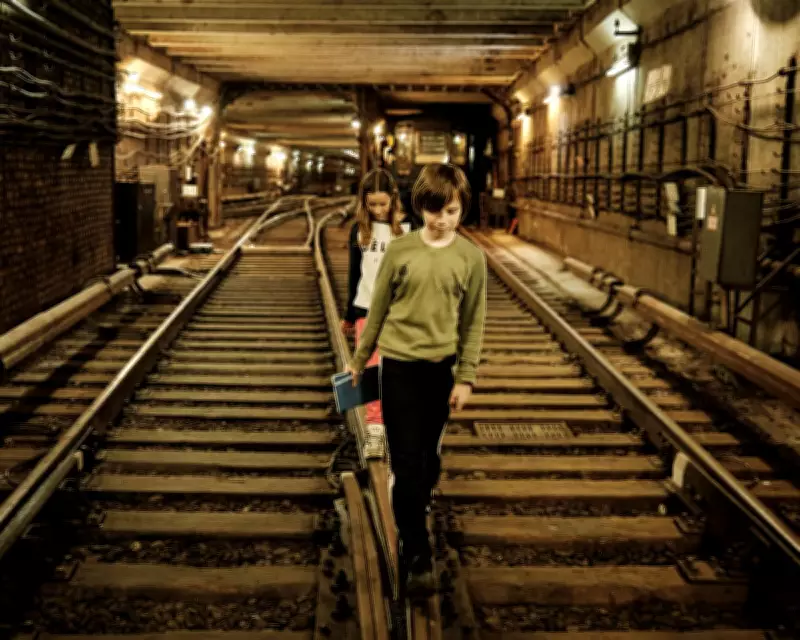
Set against the backdrop of the brutal war in Ukraine, Photophobia follows the journey of a young protagonist who must navigate the claustrophobic and perilous environment of the Kharkiv metro. The film masterfully captures the stark contrast between the relative safety of the underground tunnels and the relentless violence occurring just meters above. Through the eyes of this child, viewers are confronted with the raw reality of conflict, where everyday life is upended by fear and uncertainty.
The director employs a nuanced approach to storytelling, blending moments of quiet desperation with intense scenes that highlight the chaos of war. The metro, once a symbol of urban connectivity, transforms into a makeshift sanctuary, yet it is fraught with its own dangers and challenges. The child's perspective adds a layer of innocence lost, as they witness events that no young person should ever have to endure.
Cinematic Techniques and Emotional Impact
Photophobia utilizes a range of cinematic techniques to immerse the audience in the protagonist's world. The use of lighting and sound design is particularly effective, creating an atmosphere of tension and dread that mirrors the child's internal state. Scenes set in the metro are often dimly lit, evoking a sense of confinement and vulnerability, while the sounds of explosions and gunfire from above serve as a constant reminder of the external threat.
The film's title, Photophobia, which refers to an intolerance of light, metaphorically reflects the child's aversion to the harsh realities of the war-torn surface world. This theme is woven throughout the narrative, emphasizing the psychological scars inflicted by prolonged exposure to violence. The performances, especially by the young actor portraying the 12-year-old, are compelling and authentic, drawing viewers into the emotional core of the story.
Broader Context and Relevance
Beyond its personal narrative, Photophobia serves as a poignant commentary on the broader humanitarian crisis in Ukraine. By focusing on a single child's experience, the film humanizes the statistics and headlines, reminding audiences of the individual lives affected by the conflict. The Kharkiv metro, as a setting, symbolizes the resilience of civilians who have been forced to adapt to unimaginable circumstances.
The review highlights how the film avoids sensationalism, instead opting for a grounded and empathetic portrayal of survival. It raises important questions about the long-term impact of war on children, including issues of trauma, displacement, and the loss of normalcy. In doing so, Photophobia contributes to a growing body of cinematic works that seek to document and reflect on contemporary global conflicts.
In summary, Photophobia is a powerful and thought-provoking film that offers a unique perspective on the Ukraine war. Through its focus on a child's ordeal in the Kharkiv metro, it captures the essence of human endurance in the face of overwhelming adversity, making it a significant addition to war cinema and a must-watch for those seeking to understand the personal dimensions of conflict.