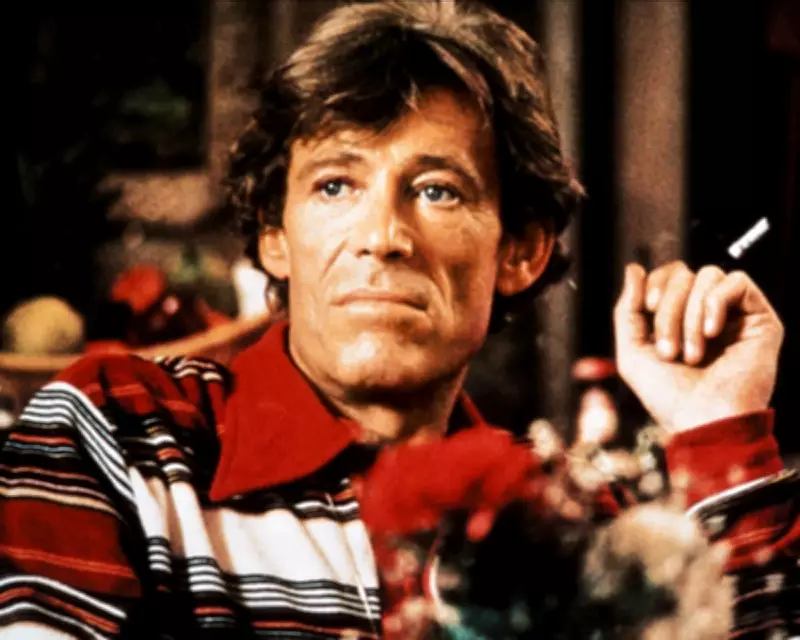
Richard Rush's 1980 cult comedy-drama The Stunt Man remains one of the most distinctive entries in Peter O'Toole's illustrious filmography. This gleefully deranged Hollywood satire earned O'Toole yet another Oscar nomination, showcasing his ability to blur the lines between art, war, and cruelty with lasting menace.
A High-Concept Satire of Cinema and Conflict
At its core, The Stunt Man presents a high-concept satire that targets multiple facets of the entertainment industry. While it certainly lampoons the movie business with all its hubris and conceit, the film also functions as an anti-war commentary. More specifically, it critiques cinema's inherent inability to be truly anti-war when films have a vested interest in making warfare appear thrilling and exciting.
The narrative interleaves black comedy and raucous humour with unexpected, fierce moments of extended seriousness and genuine anguish. This tonal complexity creates a viewing experience that remains unpredictable and compelling more than four decades after its initial release.

Peter O'Toole's Imperious Director
O'Toole delivers a masterful performance as Eli Cross, the imperious director overseeing a spectacular First World War action drama complete with exploding planes and elaborate battle sequences. Eli swoops around the set in his helicopter with megalomaniacal flair, sometimes perching on the camera crane from which he descends, godlike, to issue orders and deliver vinegary putdowns to his cast and crew.
The director finds himself over budget, behind schedule, and dangerously overstretched. His reckless approach leads him to cut corners on safety, resulting in tragedy when his stunt man drowns during a dangerous bridge-driving sequence. Rather than report the incident, Eli seeks to cover it up to avoid manslaughter charges.
A Troubled Replacement Enters the Fray
Eli's prayers appear answered when Cameron, portrayed by Steve Railsback, blunders onto the set. A troubled Vietnam veteran fleeing from police, Cameron eagerly accepts the position as replacement stunt man, assuming the deceased's identity. His natural desperation makes him fearless and ideally suited to dangerous stunt work.
The capricious director finds himself amused by Cameron, recognising he can ask the young man to perform any dangerous task without complaint. Complications arise when Cameron falls for the film's leading lady Nina, played by Barbara Hershey, who herself has unfinished emotional business with the director.
Blurring Fact and Fiction
The Stunt Man explores the deliberate blurring of fact and fiction within the filmmaking process. For this dysfunctional cinematic family, with O'Toole's maniacal director at its head, life truly becomes wartime existence. Sequences depicting filmmaking chaos cut directly into fictional melodrama, creating a disorienting effect that mirrors the characters' experiences.
Particularly striking are those moments that achieve documentary-like realism. O'Toole's Eli presides over a lengthy, alcohol-fuelled meal with cast and crew mid-filming, capturing a bygone era of Hollywood production. When the first assistant director presumes to call "cut" during a scene because only thirty-three feet of film remain, Eli's authentic rage erupts in a memorable display of directorial tyranny.
Dangerous Escapades and Cynical Flavour
The film builds toward a strange escapade for Cameron and Nina, who feel imprisoned by Eli's manipulative control. While Cameron's extended speech to Nina about his criminal past and growing affection occasionally feels indulgent, it contributes to the film's distinctive cynical, salty flavour.
The rooftop stunts genuinely appear dangerous, adding to the film's tension and authenticity. The Stunt Man returns to UK cinemas from 6 February, offering audiences another opportunity to experience this unique cinematic achievement that continues to resonate with its sharp satire and O'Toole's unforgettable performance.