Netflix's Reality Check Exposes the Dark Underbelly of America's Next Top Model
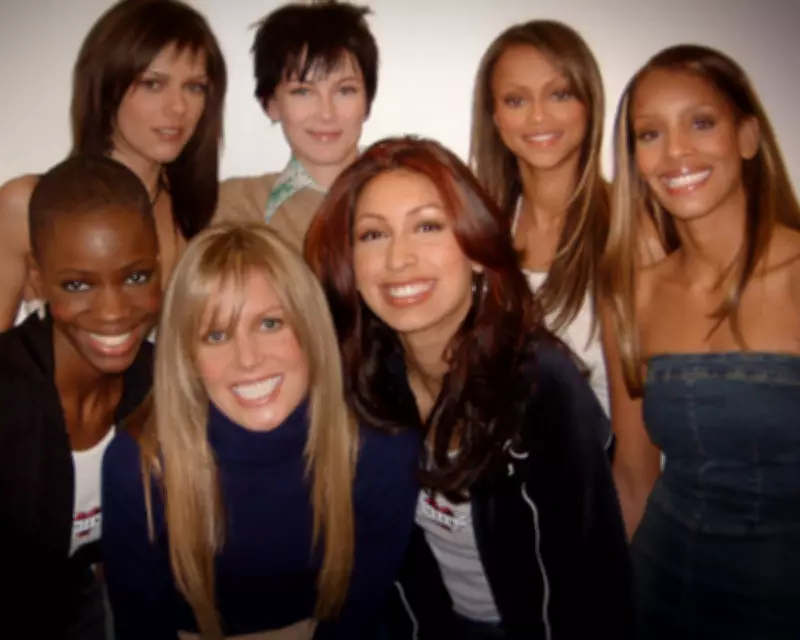
The iconic reality television series America's Next Top Model, which captivated millions of viewers during its decade-long run from 2003, is now facing a stark reckoning through Netflix's powerful three-part documentary series, Reality Check: Inside America's Next Top Model. This comprehensive expose features unprecedented access to key figures including creator and host Tyra Banks, creative director Jay Manuel, photographer Nigel Barker, executive producer Ken Mok, and dozens of former contestants who reveal disturbing behind-the-scenes realities.
The Cultural Phenomenon That Defined a Generation
For millennial women, America's Next Top Model represented appointment television at its peak, drawing over 100 million global viewers and leaving an indelible mark on popular culture. The show introduced terms like "smize" into the Collins dictionary and created viral moments that continue to circulate as memes today. With its high-concept photoshoots and dramatic makeovers, the series pioneered reality television formats that would dominate the industry for years to come.
Disturbing Revelations of Toxic Treatment
What emerges from Reality Check is a troubling portrait of systematic body-shaming, psychological manipulation, and questionable ethical practices. Contestants describe being weighed on camera, subjected to humiliating critiques about their physical appearance, and pressured into participating in increasingly tasteless photoshoots that crossed ethical boundaries.

Former contestant Giselle, an African-Latina woman whom Banks proudly claims to have fought to cast, reveals how she was ridiculed for having a "wide ass" during filming. "That's how I talk to myself, to this day," she confesses decades later, highlighting the lasting psychological impact of the show's criticism.
Questionable Production Practices and Ethical Lapses
The documentary exposes several deeply concerning production decisions, including a safari-themed photoshoot where a contestant deemed larger than others was made to pose as an elephant. In another particularly disturbing instance, contestant Dionne was asked to pose with a bullet wound in her head despite her mother having been shot by an ex-lover and left paralyzed. Executive producer Ken Mok admits this particular shoot was "a mistake" and a "celebration of violence," though he appears largely dismissive of individual suffering.
Perhaps most alarming is contestant Shandi's account of events during the models' trip to Milan. After consuming two bottles of wine at a hot-tub party with local men met during a photoshoot, Shandi describes being "blacked out for a lot of it" while having sex with one man in the shower, followed by going to bed with him—all while being trailed by camera crews. Though neither Shandi nor the documentary explicitly labels this as sexual assault, the footage suggests she was too intoxicated to provide meaningful consent.
Tyra Banks' Controversial Role and Deflections
Tyra Banks presents herself throughout the documentary as a trailblazer determined to democratize modeling and diversify the fashion industry. However, Reality Check reveals significant contradictions between this self-image and the actual practices on set. Banks frequently deflects responsibility, stating that specific storylines and production decisions were "not my territory," while simultaneously blaming viewers for demanding the show's more extreme content.
When confronted with criticism, Banks offers what comes across as performative reflection, suggesting others should be "as gracious when we're called out, because that day will come." This ominous statement underscores the power dynamics that characterized the show's production environment.

Lasting Impact on Contestants
Many contestants came from challenging backgrounds and viewed America's Next Top Model as their potential ticket to success. Instead, most found the show worked against their aspirations, with the fashion industry largely dismissing the program's increasingly sensationalized content. The documentary reveals how production manipulated distressed contestants, with Shandi describing how her demands to leave were denied and she was only permitted to call her boyfriend under the condition that the conversation was filmed and recorded.
A Superficial Reckoning?
While Reality Check features interviews with numerous former contestants who appear happier and healthier than during their Top Model days, the documentary has been criticized for framing the show's issues primarily as products of their time rather than addressing systemic problems. The series also tends to attribute contemporary criticism largely to "woke gen Z" perspectives rather than acknowledging that many contestants expressed distress and objection during original filming.
The documentary's three-hour runtime, criticized by some as overlong and unevenly paced, nevertheless provides crucial documentation of reality television's darker dimensions. What emerges is a complex portrait of a cultural phenomenon that simultaneously broke new ground while perpetuating harmful practices that continue to resonate with former participants years later.
Reality Check: Inside America's Next Top Model serves as both a time capsule of early 2000s television culture and a cautionary tale about the human cost of entertainment that prioritizes drama over dignity, leaving viewers to question what ethical standards should govern reality television production moving forward.