In the colourful world of cartoon racing games, one character has long reigned supreme. Mario, Nintendo's iconic moustachioed plumber, has dominated the kart racing scene for decades while countless challengers from Sonic to Crash Bandicoot have failed to claim his throne. Now, in an unexpected twist, Nintendo itself is launching a challenge to its own champion with Kirby Air Riders, a surprising sequel to a 2003 GameCube title that critics largely overlooked.
A New Approach To Racing Mechanics
Kirby Air Riders presents a radically different racing experience that demands players rethink everything they know about the genre. Rather than manually accelerating, your character automatically moves forward at all times. The core gameplay revolves around mastering the art of drifting, using well-timed flicks of the analogue stick to boost around corners and control your direction.
This unconventional system creates a surprisingly steep learning curve that might frustrate players initially. During the first hour, most racers will find themselves repeatedly colliding with walls and obstacles. However, those who persist will discover what the game's developers have crafted: a surprisingly zen and minimalist approach to competitive racing that becomes deeply satisfying once mastered.

Characters, Machines And Track Design
Where other racing games like Sonic's 2025 kart outing have opted for celebrity crossovers featuring characters from Minecraft, VTuber culture, and Yakuza, Kirby Air Riders stays true to its roots. The roster includes Kirby's familiar companions alongside more obscure choices like a sentient rock, a slime creature with googly eyes, and the curiously named Chef Kawasaki.
The real variety comes not from the characters but from the machines they pilot. Players can swap between different vehicle types mid-race, choosing from enemy-destroying tanks to nimble paper aeroplanes that excel at gliding. This mechanical diversity adds strategic depth that compensates for any shortcomings in the character selection.
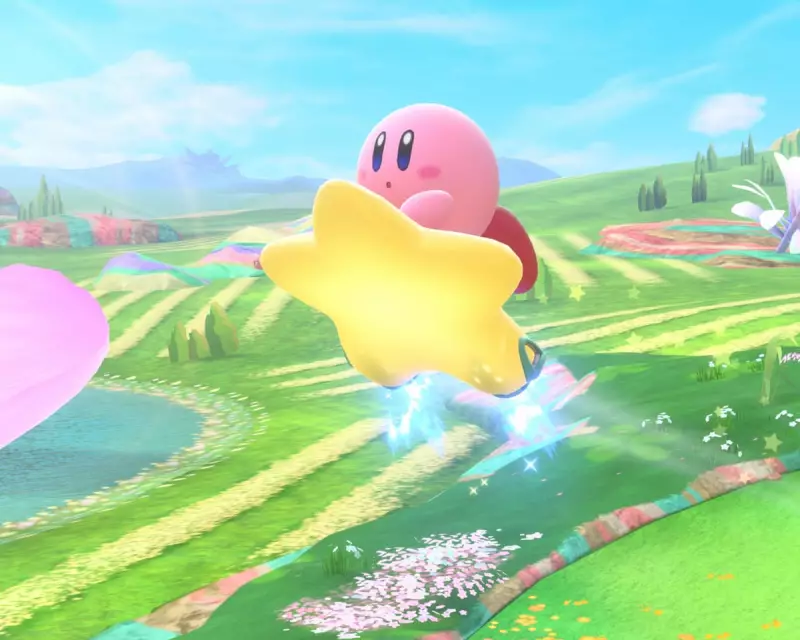
Each track bursts with personality and visual spectacle, demonstrating a strong sense of artistic cohesion that was notably absent from Sonic Racing: CrossWorlds earlier this year. The vibrant art style reaches its peak in the game's story mode, Road Trip, which director Masahiro Sakurai has packed with surreal boss encounters, creatively modified race types, and unexpectedly high-production cutscenes.
Multiplayer Modes: Hits And Misses
While the single-player experience shines, Kirby Air Riders' multiplayer offerings prove more inconsistent. The major multiplayer component, City Trials, combines battle royale-style resource gathering with Mario Party-inspired mini-games but ultimately feels disjointed and unsatisfying. Players spend several minutes powering up their characters only to participate in mini-games that conclude within seconds.
More successful is the Top Ride mode, which offers a simplified, bird's-eye view racing experience inspired by classic Micro Machines games. This accessible format provides fun, if somewhat shallow, entertainment for casual gaming sessions.
The game excels in customisation options, allowing players to personalise their vehicles with unlockable stickers, alternative colour schemes, and even Kirby-branded plush toys that dangle from their machines. These touches contribute to the game's considerable charm and personality.
Priced at £59.99, Kirby Air Riders represents a tightly focused gaming experience that recalls Nintendo's fun-first design philosophy from the NES era. While it carries the distinctive Sakurai magic and visual flair that fans have come to expect, the limited multiplayer options and high price point may give some players pause. For those seeking a fresh take on kart racing that challenges established conventions, Kirby Air Riders offers a colourful and inventive alternative to Mario's long-standing dominance.