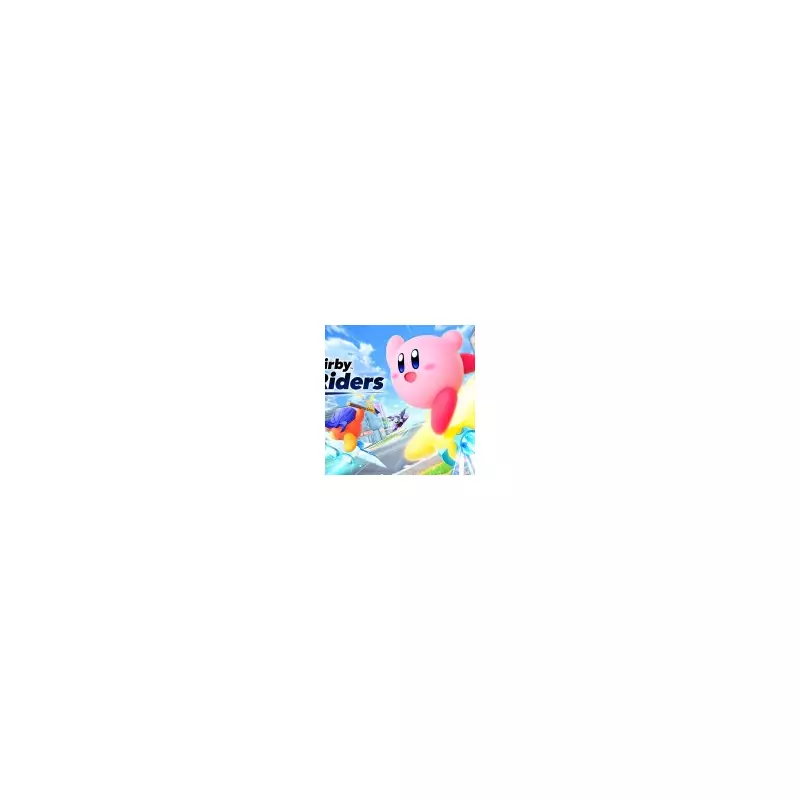
A Puzzling Revival of a Forgotten GameCube Title
Nintendo has unleashed one of its most perplexing sequels in recent memory with Kirby Air Riders, launching on 20th November 2025 for the Nintendo Switch 2. Priced at £58.99, this surreal racing game attempts to resurrect the 2003 GameCube title Kirby Air Ride, which garnered a mediocre Metacritic score of just 61 and nearly featured on lists of Nintendo's worst-reviewed games.
The decision to greenlight this sequel has left industry observers scratching their heads, particularly given Nintendo's extensive marketing campaign that included two one-hour long Nintendo Directs dedicated to the game. This significant investment seems especially peculiar considering Mario Kart World already provides a high-profile, family-friendly racing experience for the nascent Switch 2 platform.
Flawed Gameplay Mechanics and Confusing Controls
The core issue with Kirby Air Riders lies in its fundamentally problematic control scheme. Unlike the instantly accessible Mario Kart, this game forces players into an 11-step tutorial to grasp mechanics that should be intuitive. The most jarring design choice is that characters are always accelerating, requiring players to press a button to slow down rather than accelerate.

This constant forward motion proves deeply distracting and alienated every casual gamer who tested the title. While technically only using two buttons, one button performs four different functions depending on context, creating unnecessary complexity in what should be a simple, accessible experience.
The game features three main modes that remain largely unchanged from the original GameCube release:
- Air Ride: The most straightforward mode resembling Mario Kart, but with computer-controlled enemies on the course that can be inhaled and used as projectiles
- Top Ride: A top-down perspective mode similar to Super Cars, though less clever than Micro Machines
- City Trial: An oddly conceptualised mode where players race around a city collecting stat-boosting icons
Structural Problems and Lack of Content
Perhaps the most significant flaw is the complete absence of structured single-player content. There are no Grand Prix options and no tournaments of any kind - players simply engage in single races with little incentive to continue playing beyond completionist challenges.
The much-hyped City Trial mode proves particularly disappointing. After five minutes of collecting icons in an urban environment, matches conclude with brief Mario Party-style minigames. The problem is that there's no guarantee the stats you've carefully collected will be relevant to the randomly selected minigame, creating frustrating experiences where preparation becomes meaningless.
The only genuinely new addition is a four-hour story campaign called Road Trip, which presents a nonsensical plot through expensive-looking cutscenes with hard science fiction elements. This roguelite-inspired mode randomly serves up bite-sized chunks of the main game's content but fails to provide any meaningful challenge or engagement.
Verdict: A Missed Opportunity
Kirby Air Riders represents Nintendo at its most baffling. Rather than addressing the fundamental flaws of the original GameCube title, developers Bandai Namco Studios and Sora Ltd. have delivered what feels more like a remaster than a true sequel after 22 years.
While the graphics show improvement with some beautifully designed stages, and Air Ride mode offers occasional entertainment in multiplayer, these positives are overwhelmed by deeply flawed game design choices. The control scheme irritates, the City Trial mode frustrates, and the lack of structured single-player content leaves the experience feeling hollow.

For Kirby fans, the Switch 2 version of Kirby And The Forgotten World offers a far superior adventure. Racing enthusiasts are better served by Mario Kart World. Kirby Air Riders ultimately earns a 4/10 score - a confusing, formless racer that somehow manages to be both overcomplicated and overly simplistic simultaneously.