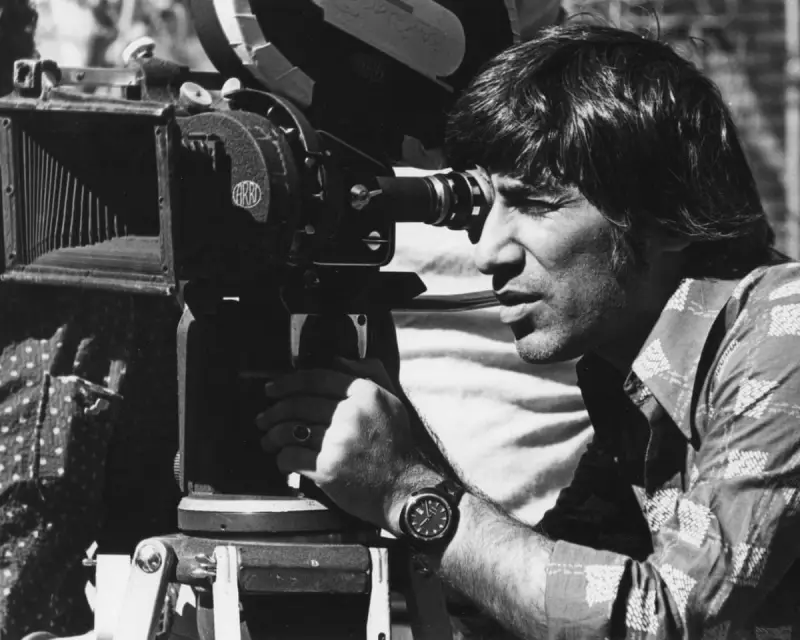
The Iranian cultural landscape has lost one of its most profound voices with the death of Bahram Beyzaie on 26 December. The acclaimed playwright, film director, and scholar was 87 years old. Celebrated for weaving ancient Persian myth, folklore, and literature into powerful allegorical cinema, Beyzaie spent decades defending Iranian identity through art against a regime that often sought to suppress it.
A Life Dedicated to Story and Symbol
Born in Tehran on 26 December 1938 into a Bahá'í family, Beyzaie's belonging to a persecuted religious minority later contributed to the official censorship of his work, especially after the 1979 Islamic Revolution. His prolific career began early; he published his now-canonical study, Theatre in Iran, at just 27. He entered filmmaking through the state-run Kanoon institute, creating shorts for children.
His second Kanoon film, The Journey (1972), remained a personal favourite. It follows an orphan boy through Tehran's polluted outskirts, a landscape littered with abandoned objects that poignantly symbolised a nation discarding its own history.

Feminist Revisions and Political Allegory
From the mid-1970s, Beyzaie's focus shifted decisively towards complex female protagonists. In films like The Stranger and the Fog (1974) and The Raven (1977), women embark on quests that become searches for identity, challenging the corrupt and paranoid men around them.
This period culminated in The Ballad of Tara (1979), a feminist reworking of samurai epics completed as the revolution unfolded. The film, which centres on a widow who commands her own destiny, was banned indefinitely by the new regime.
His masterpiece, Bashu, the Little Stranger (1986), explored national fragmentation through the story of a war-displaced Arab-Iranian boy struggling to communicate in northern Iran. Throughout this later period, he collaborated closely with his second wife, actor Mojdeh Shamsai.
Exile and Enduring Influence
Facing sustained harassment, including dismissal from the University of Tehran where he had taught since 1973, Beyzaie eventually left Iran in 2010. He taught at Stanford University's Iranian Studies programme, staging plays long forbidden at home.
Following his death, fellow director Jafar Panahi stated they had "learned from him how to stand against forgetfulness." Asghar Farhadi noted the bitter irony that "the most culturally Iranian of all Iranians died so far from Iran."
In a final symbolic twist, Tehran's oldest cinema, Cinema Iran—where a friend recently photographed frayed posters of Beyzaie's 1988 film Maybe Some Other Time amidst ruins—was burned down just two weeks before his death. Yet his legacy is secure. Restorations by initiatives like Martin Scorsese's World Cinema Project have deepened his global reputation. The Ballad of Tara and The Journey will screen at London's Barbican Cinema in February as part of its 'Masterpieces of the Iranian New Wave' season—a testament to a cinematic vision no fire can erase.