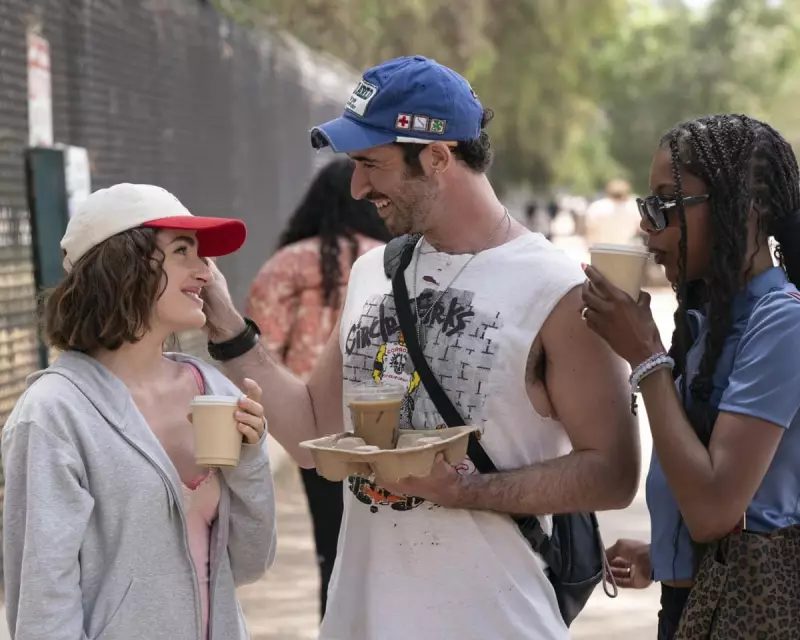
In a television landscape crowded with mediocre programming, one show has emerged as the undeniable standout of 2024. I Love LA, the HBO comedy series about Gen Z influencers, has captured audience attention in a way that hasn't been seen for years, despite being only halfway through its eight-episode run.
The New Gold Standard in Television
The show has generated all the hallmarks of event television that broadcasters dream about. Viewers are engaging in obsessive repeat watching, while major publications are running line-by-line coverage and extensive profiles of its stars. Vulture, New York magazine's website, is publishing weekly recaps, and dedicated fans are transcribing and uploading entire scripts within days of each episode airing - a level of engagement that simply isn't happening for other contemporary shows.
What makes this success particularly surprising is that I Love LA represents the first television creation from Rachel Sennott, the show's 30-year-old creator and star. The series unfolds within the confined world of east LA's influencer scene, making its watchability even more remarkable given television's generally poor track record with social media-themed content.

Finally, Influencer Content That Doesn't Make You Cringe
Previous attempts by millennial and older writers to tackle influencer culture have largely failed. These shows typically used social media as either a clumsy plot device - cue the dramatic 'something's gone viral' moment - or as a symbol of societal decay. Remember HBO's one-season disaster The Girls on the Bus, where traditional journalists battled pesky influencers? Or Netflix's Girlboss, which even a Cole Escola cameo couldn't salvage? Or the painfully outdated Flack, with its cringe-inducing use of 'maven' in publicity materials?
I Love LA succeeds where others failed because Sennott writes from genuine experience. Her elevator pitch described it as 'Entourage for internet girls', and the series draws directly from her own move from New York to LA in 2020 and her subsequent years navigating youth, financial struggle, and ambition in a city known for its loneliness and competitiveness.
Authentic Characters and Contemporary Relevance
The show follows Maia, a new entertainment manager trying to launch her only client and old friend Tallulah as a successful influencer. The core group includes Charlie, an ultra-gay stylist, and Alani, a nepo baby played with delicious irony by real-life nepo baby True Whitaker, daughter of Forest Whitaker.
While much has been made of the youth factor - with buzz focusing on the age of the creator and cast and its status as the first authentic Gen Z comedy - the show's appeal extends beyond demographics. Its sensibility shares more DNA with Apple TV+'s middle-age-focused hit Platonic than with other youth-oriented content. There's even a Cara Delevingne joke in the Platonic pilot that would feel perfectly at home in I Love LA.
The show's success has been amplified by the current abundance of television garbage. From the Claire Danes and Matthew Rhys vehicle where dramatic weight rests on a chin wobble to the new David Duchovny series that few managed to watch beyond ten minutes, I Love LA stands out for its freshness and authenticity. It makes even recent critical darlings like Hacks appear stagey and sitcom-like in comparison.
Confidence in Its Own World
Ultimately, I Love LA operates with remarkable confidence. The show assumes viewers will understand references to Diddy, appreciate why Kramer vs Kramer is funny, process drive-by mentions of LA fires, and grasp the comedic truth behind lines like, 'What am I supposed to do, wait in line like an assistant at UTA?'
This is television created by people who live in the world they're portraying, with no inclination to over-explain for outsiders. If you don't immediately understand what it means to 'waste $612 on a straight fire victim queer-baiter,' the show politely suggests you return to the tepid pleasures of programs about women questioning their marriages and life choices.

While reviews haven't been universally glowing - some critics note it takes an episode to find its footing - the consensus is clear: I Love LA represents the most fresh and real television comedy to emerge in years, setting a new standard for how to portray contemporary digital culture without condescension or cringe.